

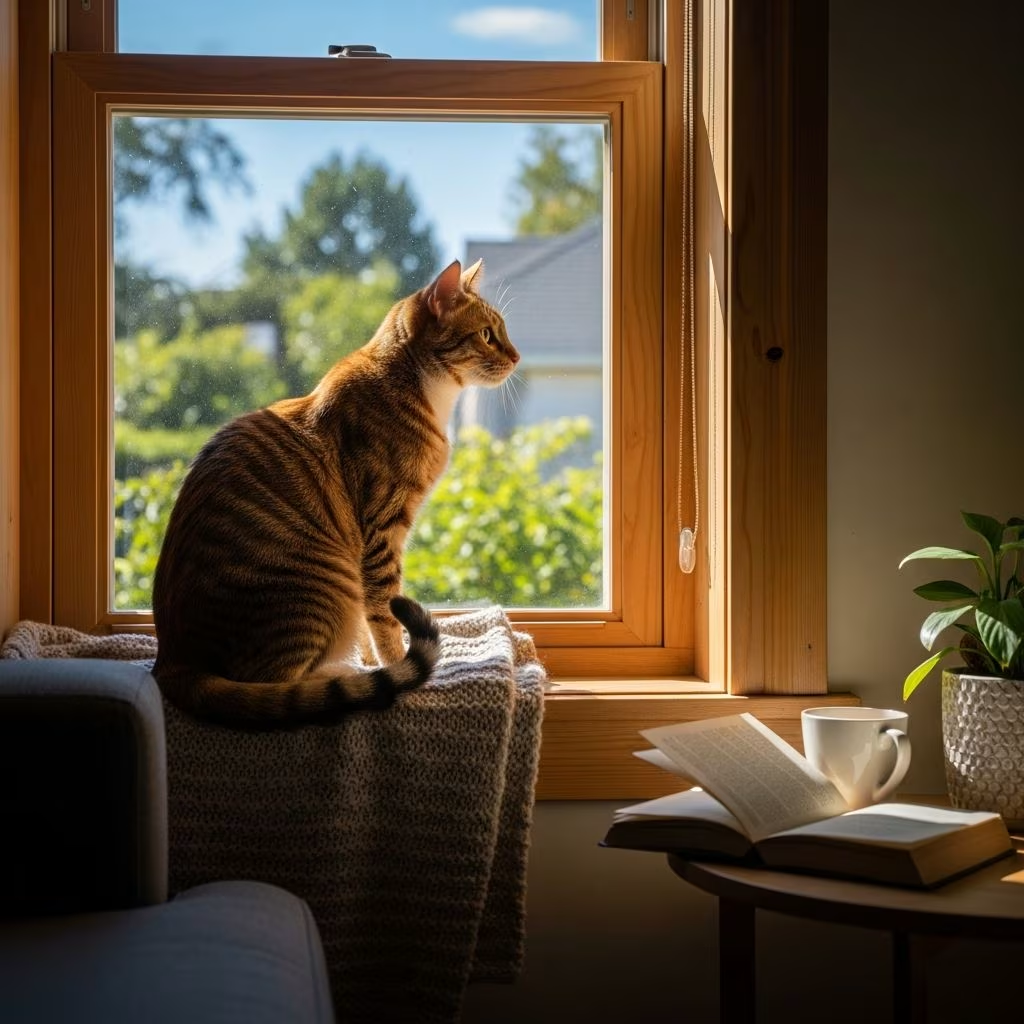
How Long Can I Leave My Cat Home Alone?
Cats are known for their independence, which often makes them seem like lower-maintenance pets compared to dogs. However, even the most self-sufficient feline still requires regular attention and care from their human companions. If you’re a cat owner wondering how long you can safely leave your pet at home, you’re not alone. Understanding your cat’s needs and limitations is essential for their physical health and emotional wellbeing.
How Much Human Interaction Do Cats Need?
The amount of human interaction your cat requires can vary significantly from one individual to another. Many cats are naturally independent creatures who appreciate their own space and time to themselves. However, others display more dog-like personalities and genuinely enjoy constant human companionship and interaction.
Regardless of your cat’s personality type, even the most independent feline will need attention from their humans. Aim for at least half an hour of quality interaction each day if possible. This interaction doesn’t have to be intense playtime; it can include gentle petting, talking to your cat, or simply being in the same room together.
The early stages of a kitten’s life are particularly crucial for development. In the first 14–16 weeks of life, kittens require plenty of human interaction to develop properly. Kittens and adolescent cats who don’t receive adequate human contact can behave more like feral cats and may find it significantly more difficult to adapt to domestic living situations.
Senior cats also deserve special consideration. As cats age, they often become less independent and may require more interaction than their younger counterparts. Older cats may develop arthritis, experience grooming difficulties, and need additional help and attention from their owners to maintain their quality of life.
Maximum Safe Duration for Leaving Your Cat Alone
Understanding the appropriate timeframes for leaving your cat unattended is fundamental to responsible pet ownership. The duration depends on several factors, including your cat’s age, health status, temperament, and previous experience with alone time.
For most healthy adult cats, the maximum amount of time you should leave them alone is around 24 to 48 hours. However, while some sources suggest you can leave a cat alone for up to 24 hours in emergencies, this should be avoided whenever possible. A more practical guideline suggests that the maximum amount of time you should leave your cat alone is around 12 hours during normal circumstances.
For overnight absences or a single night away, your cat should be fine provided you’ve made adequate preparations. If you’re planning to be away for longer periods, it’s advisable to arrange for a trusted friend, neighbour, or professional pet sitter to check in on your feline friend.
Age-Specific Guidelines for Leaving Cats Alone
Different life stages call for different care approaches. Kittens have far more demanding needs than adult cats, while senior cats may have specific health considerations.
Kittens
Young kittens are particularly vulnerable and require frequent care and monitoring. Kittens under six months old should not be left alone for more than three to four hours at a time. The younger your kitten, the more frequent care and checking they will need. This is because kittens have smaller bladders, require more frequent meals, and need regular social interaction and play for proper development.
Adult Cats
Adult cats older than six months can handle longer periods alone, typically up to eight hours without issue. However, cats are creatures of habit, and changes to their routine can cause significant stress. Even independent adult cats benefit from regular human interaction and mental stimulation.
Senior Cats
Senior cats may have medical conditions or mobility issues that require more frequent attention and care. They may also experience anxiety more acutely and benefit from more regular check-ins and interaction.
What Your Cat Needs When Left Alone
Before you leave your cat at home, ensure you’ve provided everything they need to stay safe, healthy, and comfortable during your absence.
Essential Supplies and Setup
Cats require access to fresh water, food, and a clean litter box when left alone. These are non-negotiable basics for any period of absence. Consider the following additional supplies and arrangements:
- Fresh Water: Provide multiple water bowls in different locations. Consider investing in a cat water fountain, as many cats prefer running water and are more likely to drink adequate amounts.
- Food: Leave appropriate portions of food for the duration of your absence. For longer trips, consider an automatic feeder to dispense meals at scheduled times.
- Clean Litter Box: Ensure the litter box is thoroughly cleaned before you leave. If possible, set up multiple litter boxes, especially if you’ll be away for extended periods.
- Safe Environment: Make sure the temperature is comfortable – not too hot or cold. Close off any potentially dangerous areas and ensure windows and doors are secure.
- Comfortable Resting Areas: Cats need cozy places to sleep and rest. Provide comfortable bedding in quiet, safe spaces where your cat can retreat.
Entertainment and Mental Stimulation
Cats get bored easily, and boredom can lead to destructive behavior, anxiety, and stress. When you’re away, provide your cat with engaging activities to keep them mentally stimulated and entertained.
Toys and Interactive Games
While kittens especially need to play as often as possible, adult cats also benefit from regular playtime and access to toys. Leave engaging toys and games at home that your cat knows how to play with alone. Rotate toys regularly to maintain novelty and interest.
Scratching Posts
Scratching is an important part of enrichment in a cat’s life. Ensure you have appealing scratching posts available for your cat. This natural behaviour helps them maintain healthy claws, mark territory, and release stress.
Puzzle Feeders and Food Games
Food puzzles and interactive feeding toys serve a dual purpose: they provide mental stimulation while also slowing down eating and improving digestion. These are particularly effective for keeping cats occupied during your absence.
Audio and Visual Stimulation
Some cats enjoy watching videos of mice or other animals on the television while their humans are away. You can also leave calming music or specially designed audio content for cats to create a more enriching environment.
Do Cats Get Lonely?
Contrary to popular belief, cats do experience loneliness, and extended periods of isolation can significantly impact their mental and physical health. While cats may not express their emotions as openly as dogs, they can become stressed and anxious when left alone for too long.
Signs Your Cat May Be Lonely
Understanding the signs of loneliness in your cat can help you recognize when your pet is struggling:
- Excess vocalization or unusual meowing
- Changes in eating habits or appetite loss
- Over-grooming or excessive self-licking
- Lack of interest in play or activities
- Increased clinginess when you return home
- Withdrawal, hiding, or depression
- Destructive behaviour such as scratching furniture or knocking objects over
Do Cats Miss Their Owners?
Cats may exhibit behaviours indicating they miss their parents, such as increased vocalization, following the owner around more than usual, or displaying more affectionate behaviour like cuddling and purring. The depth of the bond between a cat and its owner varies depending on their personalities and the amount of time they spend together. Cats raised from kittens by a particular person or those that spend significant time interacting with their owner are more likely to show signs of missing them when they’re away.
Extending Absence: What You Should Know
Planning to be away for longer periods requires more careful preparation and potentially outside assistance.
Overnight and Weekend Absences
For overnight absences or a single night away, your cat should be fine provided you’ve made adequate preparations and left everything they need. However, even these short absences should be carefully considered based on your individual cat’s needs and temperament.
Extended Absences
If you’re going to be away for longer than a single night, it’s important to arrange for a trusted friend, neighbour, or professional pet sitter to check in on your feline. When leaving cats alone for extended periods, stress and separation anxiety can develop, potentially causing behavioural issues that persist even after you return.
Cats are creatures of habit, and changes to their routine can be very stressful. Leaving your cat alone without any social interaction or care for extended periods can result in severe stress and separation-related behavioural problems.
Making the Right Choice for Your Cat
Every cat is unique, and some handle alone time better than others. You should observe your cat’s behaviour and habits carefully. Most cats can handle and even enjoy their alone time to some extent. However, if your cat is used to having you around most of the time or if they are particularly bonded to you, they may experience separation-related issues and loneliness when you’re not home.
To maintain your bond and reduce stress for your cat when you’re not home, consider ways to keep them occupied and comforted. This can include leaving items with your scent, providing a cozy and safe environment, and setting up a routine that they can rely on.
Frequently Asked Questions
Q: How long can I safely leave my adult cat alone?
A: A healthy adult cat can be left alone for up to 12 hours on a regular basis, though 24 hours is the absolute maximum in emergency situations. It’s best to arrange for someone to check in if you’ll be away longer than overnight.
Q: Can I leave my kitten alone overnight?
A: No, kittens should not be left alone overnight. Kittens under six months old should not be left alone for more than three to four hours. They require frequent meals, bathroom breaks, and social interaction for proper development.
Q: What should I do if I need to leave my cat alone for a week?
A: For absences longer than a day or two, it’s advisable to arrange for a pet sitter or trusted friend to check in on your cat daily. They can provide fresh food and water, clean the litter box, and offer social interaction.
Q: How can I tell if my cat is lonely?
A: Signs of loneliness include excess vocalization, changes in eating habits, over-grooming, destructive behaviour, lack of interest in play, and increased clinginess when you return home.
Q: Are there ways to keep my cat entertained while I’m away?
A: Yes, provide engaging toys, puzzle feeders, scratching posts, and consider leaving calming music or cat videos playing. Rotating toys regularly and creating a stimulating environment can help reduce boredom.
Q: Should I get a second cat to keep my cat company?
A: This depends on your cat’s personality and socialisation history. Some cats enjoy companionship, while others prefer solitude. Introduce a second cat gradually and monitor their interaction carefully.
References
- How Long Can You Leave a Kitten Alone? — Kinship. 2024. https://www.kinship.com/cat-behavior/how-long-leave-kitten-alone
- How Long Can I Leave My Cat Home Alone? — Kinship. 2024. https://www.kinship.com/uk/cat-lifestyle/how-long-can-i-leave-my-cat-home-alone
- How Long Can You Leave a Cat Alone? — Petcube. 2024. https://petcube.com/blog/cats-home-alone/
- How long can you leave a cat alone? — Cats Protection. 2024. https://www.cats.org.uk/cats-blog/how-long-can-you-leave-a-cat-alone



