

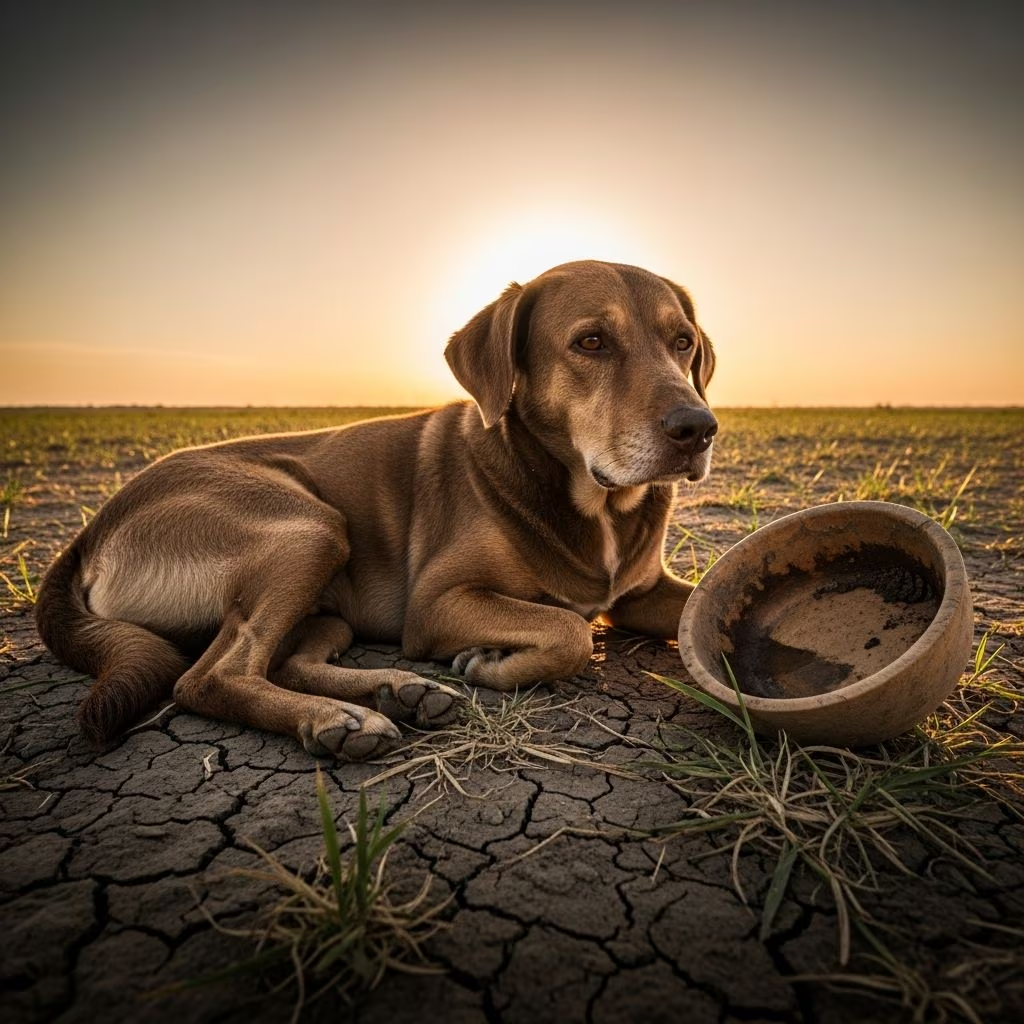
Dogs require consistent access to fresh water to maintain vital bodily functions, and deprivation can lead to serious health complications within hours. While a healthy adult dog might endure 24 to 48 hours without water under ideal conditions, factors like breed, age, activity level, and environment drastically shorten this window, often making it dangerously brief.
The Science Behind Canine Hydration Needs
Water constitutes about 60-70% of a dog’s body weight, playing essential roles in temperature regulation, digestion, nutrient transport, and waste elimination. Without adequate intake, the body enters a state of fluid deficit, impairing organ function and electrolyte balance. Veterinary experts emphasize that dogs lose water through panting, urination, defecation, and evaporation, necessitating daily replenishment equivalent to 1-2 ounces per pound of body weight.
For instance, a 50-pound dog needs roughly 50-100 ounces (1.5-3 liters) daily, varying with heat, exercise, and diet. Puppies and lactating females demand even more, up to three times the baseline, due to growth and milk production.
Factors Influencing Survival Time Without Water
Several variables determine how quickly dehydration sets in:
- Age and Size: Puppies and small breeds dehydrate faster due to higher metabolic rates and surface-area-to-volume ratios.
- Breed and Coat: Thick-coated or brachycephalic (short-nosed) dogs like Bulldogs overheat rapidly, accelerating fluid loss.
- Environmental Conditions: High temperatures above 80°F (27°C) or low humidity can cut tolerance to under 12 hours.
- Health Status: Illnesses causing vomiting or diarrhea compound losses, reducing safe time to mere hours.
- Activity Level: Active or working dogs expend fluids quicker through panting.
| Factor | Impact on Tolerance Time | Example |
|---|---|---|
| Cool, Shaded Environment | 24-48 hours | Indoor adult dog |
| Hot Weather/Exercise | 6-12 hours | Outdoor hiking dog |
| Puppy or Senior | 4-8 hours | Young or elderly pet |
| With Vomiting/Diarrhea | <4 hours | Ill dog |
Recognizing Early Dehydration Symptoms
Dehydration progresses in stages, from mild (5% fluid loss) to severe (10%+), each with distinct indicators. Owners can perform quick at-home checks to assess status.
Mild Dehydration Signs (3-5% Loss)
- Lethargy or reduced playfulness, as low blood volume saps energy.
- Sticky or tacky gums; press on them—if color returns slowly (>2 seconds), fluids are low.
- Excessive panting or drooling, signaling thirst and heat stress.
- Dry nose, though not always definitive alone.
Moderate Dehydration Signs (5-10% Loss)
- Skin tent test failure: Pinch neck skin; it should snap back instantly—instead, it tents.
- Loss of appetite and thickened, stringy saliva.
- Sunken eyes beginning to appear dull.
- Confusion or stumbling from poor circulation.
Severe Dehydration: Emergency Indicators
At 10-15% loss, life-threatening symptoms emerge, demanding immediate veterinary intervention.
- Sunken, dry eyes: Fluids shift to vital organs, causing eyes to recede.
- Rapid heart rate: Normal 70-120 bpm rises above 160 bpm, potentially to 250 bpm critically.
- Vomiting or diarrhea: Worsens the cycle viciously.
- Collapse or shock: Weak pulse, shivering, bright red or pale gums signal organ failure risk.
Perform the gum test: Pale, extremely dry gums or refill time over 3 seconds indicates crisis.
Common Causes of Dehydration in Dogs
Beyond simple lack of access, multiple triggers contribute:
- Vomiting/diarrhea from infections or toxins.
- Excessive panting in heat or post-exercise.
- Illness like kidney disease or diabetes increasing urination.
- Nursing mothers depleting fluids for milk.
- Dirty/warm water bowls deterring drinking.
Prevention Strategies for Optimal Hydration
Proactive measures ensure dogs stay hydrated:
- Provide unlimited fresh, cool water, changing bowls twice daily.
- Add water to kibble or use wet food for moisture boost.
- Freeze water in toys or ice cubes for hot days.
- Monitor intake during travel, hikes, or illness.
- Use elevated bowls for large breeds to encourage drinking.
Puppies need frequent access; seniors may require flavored water (low-sodium broth) to entice.
Home Rehydration Techniques
For mild cases, tempt with low-sodium chicken broth, ice chips, or wet food. Subcutaneous fluids may be taught by vets for chronic cases, but never force water to avoid aspiration. Severe symptoms? Rush to an ER for IV therapy.
When to Seek Professional Veterinary Care
Consult a vet if symptoms persist beyond mild or any severe signs appear. Bloodwork checks electrolyte imbalances; IV fluids restore balance rapidly. Delaying risks kidney damage or death.
FAQs on Dog Dehydration
How much water should my dog drink daily?
Typically 1 ounce per pound of body weight, more in heat or activity.
Can dogs drink milk or other liquids?
No—stick to water; alternatives like milk cause digestive upset.
Is a dry nose always dehydration?
Not necessarily; check other signs like gums and skin.
How do I test skin elasticity at home?
Gently tent neck skin; quick snap-back means hydrated.
What if my dog won’t drink?
Try cool, fresh water or vet-recommended electrolytes; see a vet if ongoing.
Long-Term Hydration for Breed-Specific Needs
Brachycephalic breeds need shaded water stations; working dogs benefit from portable fountains. Annual checkups catch predispositions early.
In summary, while dogs can technically survive 24-72 hours without water, practical safety limits are far shorter—prioritize constant access to avert crisis.
References
- What Are the Signs of Dehydration in Dogs? — Zoetis Petcare. 2023. https://www.zoetispetcare.com/blog/article/signs-dehydration-dogs
- Signs of Dehydration in Dogs — Charlotte Carolina Vet. 2021-04-19. https://www.charlotte.carolinavet.com/site/charlotte-emergency-vet-blog/2021/04/19/signs-dehydration-dogs
- Symptoms of Dehydration in Dogs and Safe Ways to Re-hydrate — Pet Butler. 2023. https://www.petbutler.com/dehydration-dogs/
- Dog Dehydration: Signs, Causes and Treatment Options — Pets Furst Urgent Care. 2023. https://petsfursturgentcare.com/blog/dog-dehydration/
- Signs of Dehydration in Dogs — Shawsheen Animal Hospital. 2023. https://shawsheenanimalhospital.com/blog/dehydration-in-dogs/
- Is My Dog Dehydrated? — PetMD. 2023. https://www.petmd.com/dog/symptoms/is-my-dog-dehydrated



