

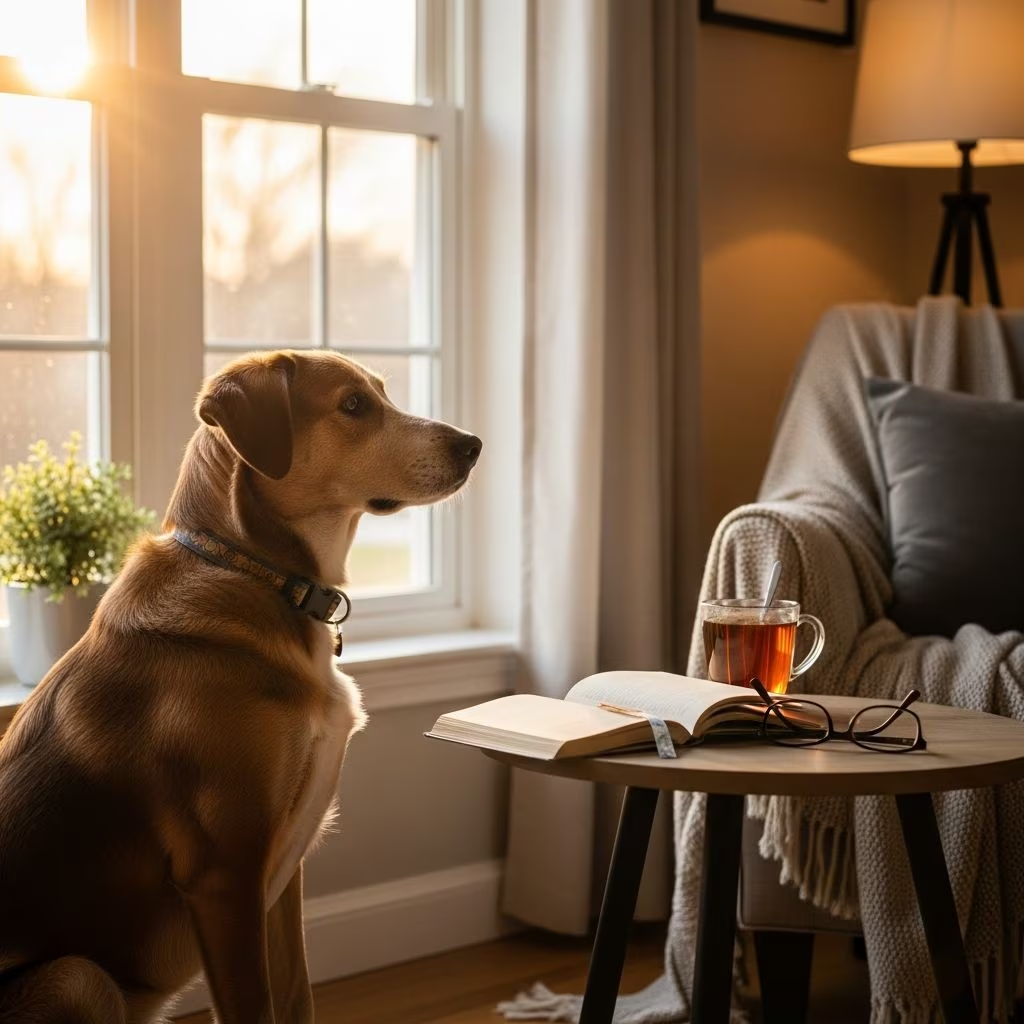
Leaving your dog alone at home is sometimes unavoidable, but pet owners often wonder whether they’re making the right decision. How long is too long? Are there legal limits? And most importantly, how can you ensure your dog remains comfortable and content during their solo time? Understanding your dog’s needs and building their confidence around alone time is crucial for their emotional wellbeing and your peace of mind.
Understanding Your Dog’s Alone Time Needs
Dogs are inherently social creatures that thrive on companionship and interaction. The amount of alone time your dog can handle varies significantly based on age, temperament, breed, and past experiences. While some dogs may adapt quickly to solo periods, others struggle considerably with isolation, experiencing distress when left without company or stimulation.
Young puppies have particularly demanding needs. At a young age, a puppy does not have a fully developed bladder, requiring frequent toilet breaks sometimes as often as every 30 minutes during the daytime. Beyond physical needs, puppies haven’t yet built trust with their families and may not understand that their humans will return if they leave. This uncertainty can lead to significant anxiety.
Alone Time Guidelines by Age
Different life stages require different approaches to alone time:
- Puppies (8 weeks to 6 months): Can typically handle 30 minutes to 2 hours alone, depending on their individual development and training progress
- Young dogs (6 months to 2 years): Can manage 2 to 4 hours with proper training and preparation
- Adult dogs (2 to 7 years): Generally can be left alone for up to 4 hours comfortably, though some may tolerate longer periods
- Senior dogs (7+ years): May struggle with extended alone time due to cognitive decline or weakened bladder control, requiring more frequent check-ins
The recommended maximum time for adult dogs is ideally no more than four hours, though individual dogs vary in their tolerance. Some factors that influence these guidelines include the dog’s previous experiences, training history, and inherent temperament.
Special Considerations for Different Dogs
Recently Rescued Dogs
Recently rescued dogs who’ve experienced negative histories or struggled during time in kennels require special consideration. These dogs need time and emotional support to rebuild confidence when left home alone. Starting with very short periods and gradually extending duration is essential for helping rescue dogs feel secure.
Senior Dogs
Senior dogs may struggle with solo time for several reasons. Cognitive decline can make them anxious about being separated from their family members. Additionally, their bladder strength weakens with age, making frequent bathroom breaks necessary. Older dogs benefit from more regular check-ins and opportunities to relieve themselves.
Breed-Specific Tendencies
Interestingly, some dog breeds are more prone to separation anxiety than others. Research indicates that separation-related challenges occur with higher intensity in cooperative breeds, suggesting that dogs bred to work closely with humans may struggle more with alone time. Understanding your breed’s tendencies can help you prepare appropriately.
Is It Cruel to Leave a Dog Alone All Day?
Leaving a dog alone for extended periods throughout the day, especially without regular check-ins or companionship, raises welfare concerns. Many dogs genuinely dislike being left alone for extended periods and may experience significant distress. Some dogs struggle even with short periods of isolation if they haven’t developed confidence or have experienced negative past events alone.
If your dog displays signs of struggle during alone time, it’s important to work alongside your veterinarian and an ethical dog behaviour practitioner to provide support and help your dog feel more relaxed when left alone. Professional guidance can make a substantial difference in overcoming separation challenges.
Can Dogs Be Left Alone at Night?
Dogs naturally possess crepuscular sleeping habits, meaning they’re typically more active at dawn and dusk. However, domesticated dogs adapt quickly to human sleeping patterns and find it relatively easy to sleep overnight for eight hours or longer. Dogs are much less likely to feel uncomfortable being alone overnight because they know their humans are in the home nearby.
Additionally, nighttime alone time involves fewer distractions, as most of the human population is also resting. The darkness and quiet often encourage dogs to sleep rather than become anxious or destructive. This makes overnight alone time significantly different from daytime separation.
Why Some Dogs Struggle More Than Others
Just like humans, dogs are individuals with varying levels of anxiety and different coping mechanisms. Some dogs naturally possess more resilience and confidence when left alone, while others experience significant distress. Several factors contribute to these differences:
- Genetic predisposition to anxiety and separation-related challenges
- Early socialization experiences and exposure to alone time
- Breed tendencies and their breeding history
- Previous negative experiences or trauma
- Overall temperament and personality traits
- Current life circumstances and environmental changes
Identifying Separation Anxiety in Dogs
Recognizing separation anxiety in your dog is crucial for addressing the problem early. It’s important to regularly film your dog during periods you’re absent from the home to ensure they’re feeling comfortable. Even if you’re not hearing barking or seeing obvious signs like toileting indoors or destructive chewing, your dog may still be experiencing stress.
When monitoring your dog with a pet camera or recording device, watch for these telltale signs of distress:
- Excessive pacing or restlessness
- Panting or heavy breathing
- Lip licking and other anxious body language
- Whining or vocalization
- Refusal to eat when alone, despite eating normally when you return
- Destructive behavior directed at doors, windows, or furnishings
- Inappropriate elimination despite being house-trained
A dog that doesn’t eat food when left alone but gobbles it up immediately upon your return is displaying a clear sign of discomfort with the situation. These behavioral changes warrant attention and intervention.
How to Prepare Your Dog for Being Home Alone
Building your dog’s confidence around alone time requires patience, consistency, and a structured approach. Starting early is key to helping your dog feel comfortable with solo periods.
Step 1: Begin Within Your Home
Start by creating space within your home while remaining present in the house. Leave your dog while you go and take a shower, cook a meal, or work in another room for short periods. This helps them understand that temporary separation happens and that you return. Begin with just a few seconds or minutes, then gradually extend the duration.
Step 2: Close the Door
Once your dog is happy during brief periods of your absence in the same space, progress to leaving them while you close a door between you. This reinforces the concept of separation while maintaining proximity.
Step 3: Leave the House
Only after your dog is comfortable with in-home alone time should you begin actually leaving the house. Start with extremely brief absences—just a few minutes—and gradually extend these periods as your dog demonstrates comfort and calm behavior.
Step 4: Establish a Routine
Dogs thrive on consistency and routine. Establishing predictable patterns around your departures and arrivals helps your dog feel secure. Avoid making departures overly emotional or returning with excessive excitement, as these can reinforce anxious associations.
Building Tolerance for Alone Time
Creating a structured training plan helps dogs gradually build tolerance for alone time. Start by identifying your dog’s baseline—the maximum duration they can remain calm without you present. This might be only a few seconds for some anxious dogs.
Once you’ve established this baseline, begin separation training once or twice daily, ideally five to six times weekly. Initially, desensitize your dog to actions and sounds associated with your departure, such as picking up keys or putting on shoes. Perform these actions without actually leaving, so your dog learns these cues don’t automatically mean extended separation.
Gradually progress to stepping outside briefly while monitoring your dog for signs of distress. The goal is to demonstrate that your dog is safe and that you will return. Avoid pushing beyond your dog’s comfort level, as this can increase anxiety rather than reduce it.
Legal Limits and Welfare Requirements
In the United Kingdom, the Animal Welfare Act 2006 requires owners to ensure their pets don’t experience distress or suffering. While there’s no specific legal limit on how long a dog can be left alone, the legislation makes clear that owners have a responsibility to meet their dogs’ welfare needs, which includes providing company and preventing prolonged isolation.
Leaving your dog for extended periods—such as three days—would violate these welfare requirements by denying them access to companionship, stimulation, fresh food, water, and toilet opportunities. Responsible dog ownership means ensuring your dog’s needs are consistently met.
Do Dogs Get Lonely When Left Alone?
Yes, dogs can experience loneliness and miss the companionship of their humans. They are fundamentally social creatures who have evolved alongside humans for thousands of years. However, not all dogs respond to alone time identically—some may even enjoy occasional solo time if properly conditioned.
It’s important to regularly film your dog to check they’re feeling comfortable emotionally when home alone. Changes in behavior, eating habits, or energy levels when you return home can indicate your dog is experiencing loneliness or anxiety during your absence.
Providing Enrichment During Alone Time
One way to speed up the process of building alone-time tolerance is ensuring your dog receives adequate physical and mental stimulation during the day. Both types of enrichment help decrease stress and anxiety significantly. A tired dog is far more likely to spend their alone time napping rather than engaging in anxious or destructive behaviors.
Consider providing:
- Interactive puzzle toys that dispense treats
- Long-lasting chews appropriate for your dog’s size
- Sniff games and nose-work activities
- Mental enrichment games that require problem-solving
- Adequate daily exercise tailored to your dog’s breed and age
Working With Professional Support
Overcoming separation anxiety takes some dogs considerably longer than others, and progress isn’t always linear. If you feel you’re not making sufficient progress after several weeks of consistent training, it might be time to recruit a professional trainer or certified dog behavior consultant. These experts can assess your specific situation and provide tailored strategies for your individual dog.
Bottom Line: Leaving Your Dog Alone in the UK
Dogs are highly social animals that can struggle with extended periods of alone time. While there’s no legal limit on how long a dog can be left alone in the UK, the Animal Welfare Act 2006 requires owners to ensure their pets don’t experience distress. The recommended maximum time varies by age, with puppies needing frequent attention and even adult dogs ideally not being left alone for more than four hours.
Understanding your dog’s individual needs, building their confidence gradually, and providing appropriate enrichment and support can help them develop comfort with alone time. Remember that every dog is unique—what works for one may not work for another. Patience, consistency, and professional support when needed will help your dog learn that alone time is safe and manageable.
Frequently Asked Questions
Q: How long can I leave my puppy alone?
A: Puppies can typically only be left alone for short periods based on their age in months. A common guideline is one hour per month of age, so a three-month-old puppy can generally handle about three hours, though many puppies do better with more frequent breaks. Always ensure access to water and appropriate toileting opportunities.
Q: Can I leave my dog alone for an entire workday?
A: Leaving a dog alone for a full 8-hour workday regularly isn’t ideal for most dogs. If this is unavoidable, consider hiring a dog walker or pet sitter for midday visits, using doggy daycare, or asking a trusted friend or family member to check on your dog. These options help break up the day and provide necessary companionship and bathroom breaks.
Q: What should I do if my dog has severe separation anxiety?
A: Start by consulting your veterinarian to rule out medical issues. Then work with a certified dog behavior consultant to develop a customized training plan. You may also benefit from crate training, calming aids, or in some cases, medication prescribed by your vet. Professional help is invaluable for severe cases.
Q: Is it okay to leave my dog alone overnight?
A: Dogs adapt well to sleeping overnight alone when their humans are home nearby. Eight hours of nighttime sleep is typically comfortable for most adult dogs. However, ensure they have access to water and have had appropriate bathroom breaks before bedtime.
Q: How do I know if my dog is uncomfortable being alone?
A: Use a pet camera to monitor your dog while you’re gone. Look for pacing, panting, excessive whining, refusal to eat, or destructive behavior. Also notice behavioral changes—if your dog doesn’t eat when alone but devours food when you return, this indicates discomfort with being alone.
References
- How Long Is Too Long to Leave Your Dog Home Alone? — Kinship. 2025. https://www.kinship.com/uk/dog-lifestyle/how-long-can-dogs-be-alone
- Animal Welfare Act 2006 — UK Legislation. https://www.legislation.gov.uk/ukpga/2006/45/contents
- How to Ease Your Dog Into Alone Time Without Stress — Kinship. 2025. https://www.kinship.com/video/how-to-ease-your-dog-into-alone-time-without-stress
- Genetic aspects of separation-related disorders in dogs — Eötvös Loránd University, Hungary. 2019. https://www.ncbi.nlm.nih.gov/
- How to Get Through Your Puppy’s Separation Anxiety Days — Kinship. 2025. https://www.kinship.com/dog-behavior/my-puppy-had-separation-anxiety



