

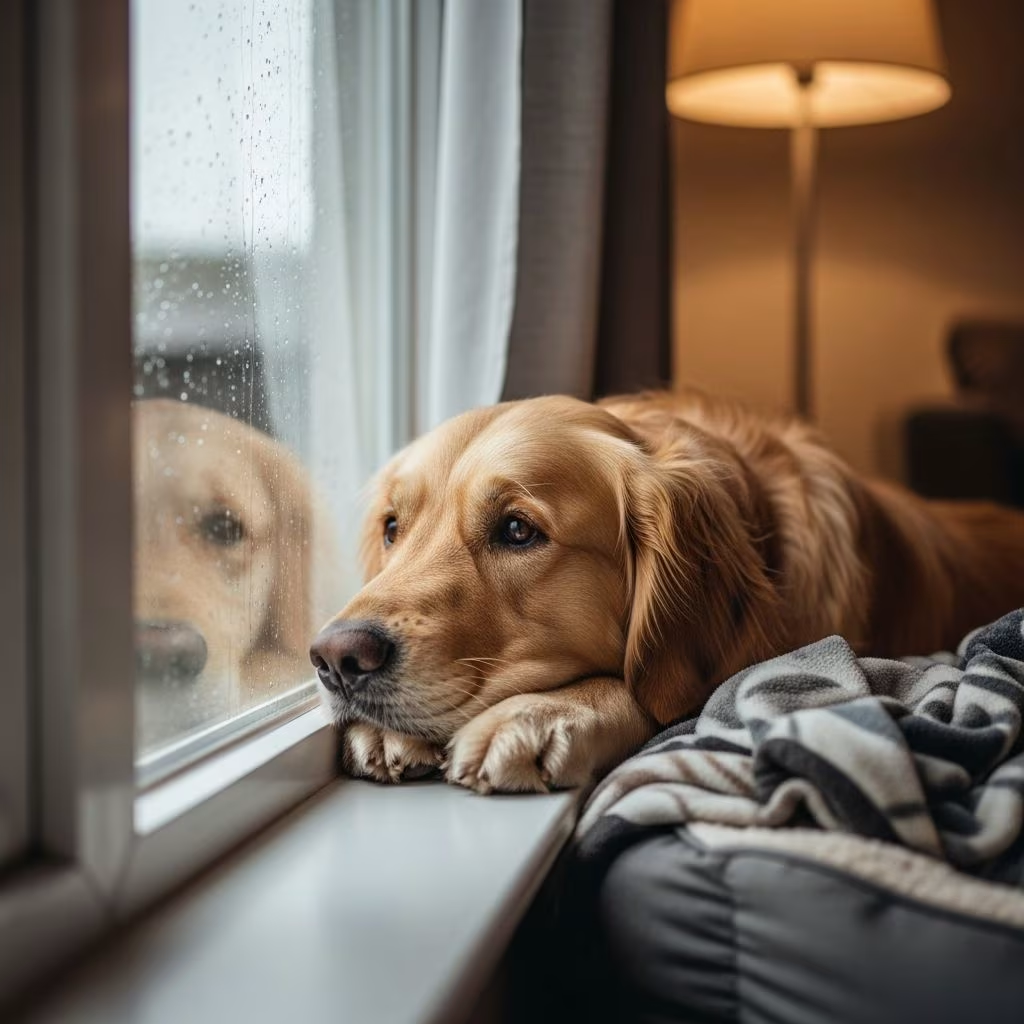
Dogs are pack animals that thrive on social interaction, but modern life often requires leaving them home alone. The safe duration varies by age, breed, health, and individual temperament, typically ranging from 1-2 hours for puppies to 4-6 hours for most adults. Exceeding these limits risks distress, separation anxiety, or welfare violations under the UK’s Animal Welfare Act 2006, which mandates preventing unnecessary suffering. This guide covers key factors, signs of struggle, training strategies, and legal guidelines to ensure your dog remains happy and secure during absences.
How long can you leave a dog alone?
The maximum time a dog can comfortably be left alone depends on multiple variables, but general guidelines prevent physical needs like toileting and emotional distress. Puppies under 6 months need breaks every 1-2 hours due to limited bladder control and developing trust in their owners’ return. Adult dogs tolerate 4-6 hours, while seniors may require more frequent checks for health issues. Overnight, dogs adapt well to 8 hours as they sleep alongside their family, aligning with their crepuscular nature adjusted to human schedules.
- Puppies (under 6 months): 1-2 hours max; every 30-60 minutes ideal for toilet breaks and socialization.
- Adults (1-7 years): 4-6 hours; high-energy breeds less tolerant.
- Seniors (8+ years): 3-4 hours; monitor for incontinence or cognitive decline.
- Overnight: 8 hours safe if family is home, as dogs rest with fewer distractions.
Leaving a dog for three days without care violates basic needs for food, water, companionship, and toileting.
Is it cruel to leave a dog alone all day?
Dogs crave companionship, and extended isolation (over 6-8 hours) can cause distress, especially for velcro dogs or those with past trauma. While not inherently cruel if needs are met, many experience anxiety without stimulation, leading to pacing, whining, or destruction. Veterinary behaviorists recommend against full workdays without mitigation like dog walkers or daycare. Film absences to confirm comfort; appetite refusal alone signals stress.
Can dogs be left alone at night?
Yes, most dogs handle overnight alone time well, sleeping 8 hours as they know their owners are nearby. Their crepuscular instincts make them active at dawn/dusk but adaptable to human sleep cycles. Provide a quiet, safe space; disturbances are rare unless health issues arise. Unlike daytime, nights lack external stimuli, reducing anxiety triggers.
Why some dogs struggle being alone more than others
Individual differences stem from genetics, breed, age, health, and experiences. Cooperative breeds like Labs or Border Collies show higher separation intensity per a 2019 Hungarian study, bred for human partnership. Independent types like Greyhounds or Shiba Inus cope better. Rescues with kennel trauma or puppies lack confidence in returns. High-energy dogs need engagement; velcro traits amplify attachment.
| Breed Type | Alone Time Tolerance | Examples |
|---|---|---|
| High-Energy/Work | Low (2-4 hrs) | Border Collie, Labrador, Australian Shepherd |
| Independent | High (6+ hrs) | Greyhound, Shiba Inu |
| Companion/Velcro | Low (1-3 hrs) | Cavalier King Charles, Chihuahua |
Identifying separation anxiety in dogs
Separation anxiety affects up to 20% of dogs, manifesting in vocalizing, destruction, or elimination when alone. Subtle signs include pacing, panting, lip-licking, yawning, or refusing food until reunion—visible via pet cams. Destructive chewing targets doors/windows as escape attempts. Early detection via video prevents escalation; consult vets if persistent.
- Vocal: Barking, howling when owner leaves/prepares.
- Physical: Pacing, trembling, drooling.
- Destruction: Chewing exits, furniture.
- Elimination: Toileting indoors post-house training.
How to prepare your dog for being home alone
Build tolerance gradually from puppyhood. Start intra-home: shower or room separation for minutes, rewarding calm. Progress to outdoor absences using a baseline timer—start at calm threshold (e.g., 30 seconds), add 5-10% daily. Desensitize cues: jiggle keys, grab coat without leaving. Exercise beforehand tires them for napping; enrichment toys distract.
- Baseline Test: Time max calm absence (hallway to outside).
- Daily Sessions: 5-6x/week, short separations; return before distress.
- Stimulation: 30-60 min walks, puzzles pre-departure.
- Positive Returns: Ignore excitement; re-try when settled.
- Tools: Cameras, walkers for longer stretches.
Professional trainers help stubborn cases; consistency yields progress in weeks.
Bottom line: leaving your dog alone in the UK
No strict time limit exists, but the Animal Welfare Act 2006 demands no distress—aim under 4 hours for adults, less for vulnerable dogs. RSPCA advises matching to needs; violations risk fines. Dogs may enjoy solitude if independent, but most prefer company—monitor via cams. Do dogs get lonely? Yes, as social beings, but training mitigates.
Frequently Asked Questions (FAQs)
What’s the maximum time to leave an adult dog alone?
4-6 hours daytime; 8 hours overnight if needs met.
How often do puppies need bathroom breaks?
Every 30-120 minutes based on age.
Can I crate a dog for 8 hours?
No; crating exceeds safe limits without breaks, risking anxiety.
How to stop separation anxiety barking?
Gradual desensitization, exercise, enrichment; vet check if severe.
Are some breeds better alone?
Yes, independent breeds like Basenjis over clingy ones.
Is doggy daycare a good alternative?
Ideal for social dogs needing longer coverage.
This comprehensive approach ensures ethical, happy pet parenting. Progress varies; patience is key.
References
- How Long is Too Long to Leave a Dog Alone? — The Pet Clinic. 2023. https://thepetclinic.com/how-long-is-too-long-to-leave-a-dog-alone/
- How to Ease Your Dog Into Alone Time Without Stress — Kinship. 2023. https://www.kinship.com/video/how-to-ease-your-dog-into-alone-time-without-stress
- More-than-human kinship against proximal loneliness — PMC (NIH). 2022-02-17. https://pmc.ncbi.nlm.nih.gov/articles/PMC8863920/
- How Long Is Too Long to Leave Your Dog Home Alone? — Kinship UK. 2023. https://www.kinship.com/uk/dog-lifestyle/how-long-can-dogs-be-alone



