

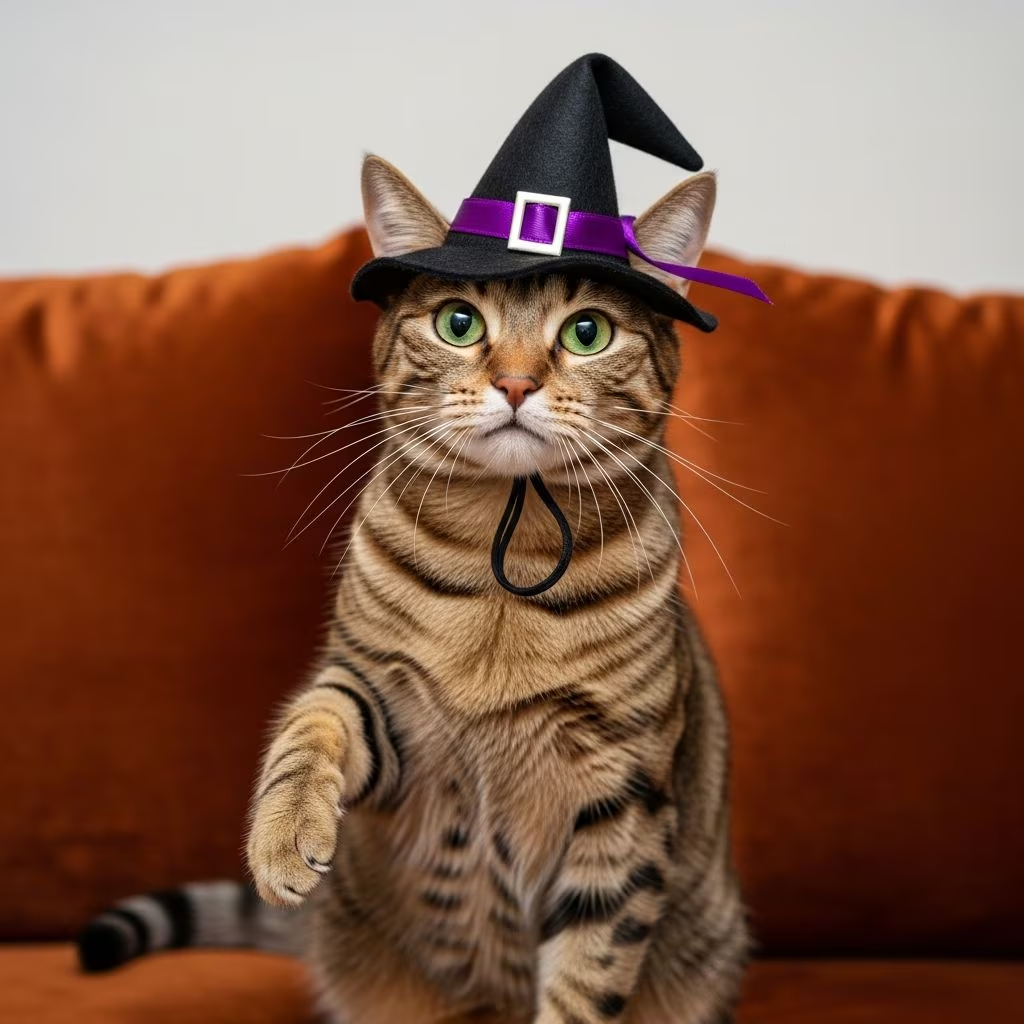
How Long Can Cats Wear Halloween Costumes Safely?
Halloween is an exciting time for many pet owners who want to include their feline companions in the festive celebrations. However, dressing up cats in costumes requires careful consideration of their comfort, safety, and well-being. Unlike humans, cats do not naturally enjoy wearing clothing, and the duration they can safely wear a costume depends on multiple factors including the costume’s design, your cat’s temperament, and environmental conditions. Understanding these considerations will help you keep your furry friend safe while still enjoying the holiday spirit.
Understanding Your Cat’s Comfort Level
Before determining how long your cat can wear a costume, it is crucial to assess whether your cat is comfortable in clothing at all. Not all cats tolerate costumes equally, and forcing a reluctant cat into one can cause significant stress and anxiety. Some cats may accept a costume for short periods, typically 5 to 30 minutes, while others may become distressed within minutes. The key is observing your cat’s behavior and respecting their individual preferences.
Each cat has a unique personality, and what works for one may not work for another. Some cats naturally have a calm demeanor and may tolerate costume-wearing better than high-strung or anxious cats. If your cat is generally cautious around new objects or situations, they will likely struggle more with wearing a costume than a more adventurous feline.
Recommended Maximum Duration for Cat Costumes
While there is no universal standard for how long cats can wear costumes, veterinarians and animal behavior experts recommend keeping costume-wearing sessions short. For most cats, the ideal duration is between 5 to 30 minutes, with breaks in between if you wish to have multiple wearing sessions throughout the day. Never leave a costume on your cat overnight or for extended periods without supervision.
If your cat is particularly tolerant of costumes, you might extend the wearing time to one hour during peak trick-or-treating hours, but this should only occur if your cat shows absolutely no signs of distress. However, most feline experts advise against keeping costumes on cats for more than 30 minutes at a stretch, as this increases the risk of stress, overheating, and accidental injury.
Critical Safety Guidelines for Cat Costumes
Regardless of how long your cat will wear a costume, safety must be your top priority. There are several non-negotiable guidelines that apply to any Halloween costume you choose for your cat:
- Proper Fit: The costume must fit comfortably without being too tight or too loose. Tight costumes restrict breathing and movement, while loose ones can cause tripping or tangling.
- Unrestricted Movement: Your cat should be able to walk, run, sit, and lie down naturally. Restrictive clothing can cause stress and increase injury risk.
- Clear Vision and Hearing: Never use costumes that cover your cat’s eyes, ears, nose, or mouth. These sensory organs are essential for your cat’s safety and navigation.
- No Breathing Restrictions: Ensure nothing constricts your cat’s neck or airways. Strangulation hazards must be completely avoided.
- Safe Materials: Avoid costumes with small detachable pieces, flowing hair parts, dangling fabric, or sharp edges that could be chewed off and swallowed.
- Weight Consideration: Heavy or layered costumes can cause overheating, particularly in cats with flat faces like Persians or in warmer climates.
Signs Your Cat Is Stressed in a Costume
Cats communicate their discomfort through body language and behavioral changes. Learning to recognize these signs is essential for determining whether your cat should continue wearing the costume or if it should be removed immediately.
Watch for the following indicators of costume-related stress:
- Pinned or flattened ears against the head
- Tucked or low tail between the legs
- Excessive pawing, scratching, or biting at the costume
- Shaking, trembling, or visible anxiety
- Repeated running, pacing, or inability to settle
- Freezing in place or attempting to hide
- Excessive panting, drooling, or lethargy (signs of overheating)
- Loss of appetite or digestive upset
- Attempting to escape or acting panicked
If your cat displays any of these behaviors, remove the costume immediately. Your cat’s comfort and mental well-being are more important than holiday appearances.
Acclimation: Preparing Your Cat for Costume Wearing
The best way to extend the time your cat can comfortably wear a costume is through gradual acclimation. Begin introducing the costume to your cat several weeks before Halloween, allowing them to become familiar with the item in a low-pressure environment.
Follow this progressive approach:
- Week One: Leave the costume near your cat’s favorite spot so they can investigate it at their own pace without pressure.
- Week Two: Gently drape the costume over your cat for just a few seconds, offering treats and praise immediately after.
- Week Three: Fasten the costume loosely and allow your cat to wear it for 2-5 minutes while you provide positive reinforcement.
- Week Four: Gradually increase wearing time by 5-minute increments, always monitoring for stress signals.
- Before Halloween: Do several practice sessions at the intended wearing time to ensure your cat is truly comfortable.
This gradual approach significantly increases the likelihood that your cat will tolerate costume-wearing for longer periods on Halloween night.
Age-Appropriate Costume Considerations
Different life stages require different costume considerations. Kittens and senior cats have unique needs that affect how long they can comfortably wear costumes.
Kittens: Young cats are notorious for chewing and exploring everything in their environment. Choose costumes that cannot be easily removed or ingested, and limit wearing time to 5-10 minutes. Kittens have less patience for restraints and may become overly stressed.
Adult Cats: Most healthy adult cats can tolerate well-fitting costumes for 15-30 minutes. This age group typically has better stress tolerance if properly acclimated.
Senior Cats: Older cats may have reduced mobility, joint issues, or anxiety that makes costume-wearing more challenging. Keep sessions very brief, typically 5-15 minutes, and ensure the costume does not restrict their movement or exacerbate existing conditions.
Weather and Environmental Factors
The time of year and temperature conditions significantly affect how long your cat can safely wear a costume. Most Halloween celebrations occur in late October when temperatures vary by region. In warmer climates, even brief costume-wearing can cause cats to overheat, while in cooler regions, lightweight costumes may be more tolerable.
For warm-weather Halloweens, opt for lightweight, breathable costumes or simple accessories like collars or bandanas. Avoid full-body costumes that trap heat against your cat’s body. Monitor your cat frequently for signs of overheating, including excessive panting, drooling, lethargy, or glazed eyes. If overheating occurs, remove the costume immediately and allow your cat to cool down in a shaded, well-ventilated area.
Supervision Requirements
Never leave a costumed cat unsupervised, regardless of how well-acclimated they seem. Costumes can become caught on furniture, food bowls, or other household items, creating strangulation or entrapment hazards. Your cat may panic when tangled, leading to injury attempts that cause further harm.
If you must leave your home on Halloween, remove your cat’s costume before you depart. This simple precaution prevents accidents and ensures your cat’s safety. Keep the costume stored in a safe location, away from areas your cat frequents, to prevent them from chewing or ingesting pieces if they find it unsupervised.
Alternative Options to Traditional Costumes
If your cat simply cannot tolerate a full costume, consider these safer alternatives that minimize stress while still celebrating Halloween:
- Collar Accessories: Simple costume collars or bow ties can be worn for photo opportunities without the stress of a full outfit.
- Bandanas: Lightweight bandanas tied loosely around your cat’s neck can add festive flair with minimal discomfort.
- Headwear: A simple, lightweight hat or headband can be worn for short photo sessions if your cat tolerates it.
- Painted Faces: Pet-safe face paints designed for animals offer a costume look without physical restraint.
- Environmental Decorations: Decorate your cat’s bed or play area with Halloween-themed items instead of dressing them directly.
Safety Hazards Beyond Costumes
While costume safety is important, other Halloween hazards pose risks to cats that extend beyond costume-wearing duration. Be mindful of these additional dangers:
- Decorations: Fake spider webbing, if ingested, can cause serious health issues. Keep decorations in areas your cat cannot access.
- Lit Jack-O’-Lanterns: Never leave lit candles unattended near your cat. A curious feline could knock over a pumpkin and cause burns or fire.
- Candy and Chocolate: Halloween treats are toxic to cats. Store all candy in secure locations away from feline access.
- Stranger Anxiety: Keep your cat in a quiet room away from your front door during trick-or-treating to prevent escape or stress-related illness.
- Costume-Related Escape: A stressed cat in a costume may bolt outside. Ensure all windows and doors are secure.
Frequently Asked Questions About Cat Halloween Costumes
Q: What is the maximum time a cat should wear a Halloween costume?
A: Most cats should wear costumes for no longer than 5 to 30 minutes at a time. Extended periods can cause stress, overheating, and injury risk. If your cat is particularly tolerant, one hour maximum is acceptable, but this should only occur if your cat shows absolutely no signs of distress.
Q: How can I tell if my cat is uncomfortable in a costume?
A: Signs of discomfort include pinned ears, tucked tail, excessive pawing at the costume, shaking, freezing, hiding attempts, unusual panting, or behavioral changes. If you notice any of these signs, remove the costume immediately.
Q: Should I leave a costume on my cat overnight?
A: No, never leave a costume on your cat overnight or for extended unsupervised periods. This dramatically increases the risk of entanglement, choking, overheating, and stress-related health issues.
Q: How long before Halloween should I start acclimating my cat to a costume?
A: Begin introducing the costume 3-4 weeks before Halloween. Gradual exposure over several weeks significantly improves your cat’s tolerance and comfort level.
Q: What type of costume is safest for cats?
A: The safest costumes are lightweight, properly fitted, have no detachable pieces, don’t restrict movement or breathing, and don’t cover the cat’s face. Simple collar accessories or bandanas are often safer alternatives to full costumes.
Q: Is it cruel to put a costume on a cat?
A: It depends on the individual cat and how the costume is used. With proper fit, gradual acclimation, and brief wearing periods, some cats tolerate costumes without distress. However, if your cat shows signs of anxiety or discomfort, respecting their preference is the more humane choice.
References
- Keeping Your Cat Safe at Halloween — Pet Assure. 2024. https://www.petassure.com/new-newsletters/keeping-your-cat-safe-at-halloween/
- The Ultimate Quick Guide to Pet Safety on Halloween — Carolina Beach Animal Hospital. 2024. https://www.carolinabeachanimalhospital.com/blog/the-ultimate-quick-guide-to-pet-safety-on-halloween
- 6 Scary-Good Pet Costume Safety Tips — Halo & Ollie Veterinary Care. 2024. https://www.haleolavet.com/services/cats/blog/6-scary-good-pet-costume-safety-tips
- 6 Halloween Safety Tips for Cats — Alley Cat Allies. 2024. https://www.alleycat.org/resources/halloween-safety-tips-for-cats/
- Want to Dress Up Your Pet for Halloween? Follow These 6 Pet Costume Safety Tips — Vets of East Texas. 2024. https://www.vetsofeasttexas.com/services/cats/blog/want-dress-your-pet-halloween-follow-these-6-pet-costume-safety-tips
- Halloween Pet Safety — American Veterinary Medical Association (AVMA). 2024. https://www.avma.org/resources-tools/pet-owners/petcare/halloween-pet-safety
- Seven Tips for Safe Pet Costumes — Animal Humane Society. 2024. https://www.animalhumanesociety.org/resource/seven-tips-safe-pet-costumes



