

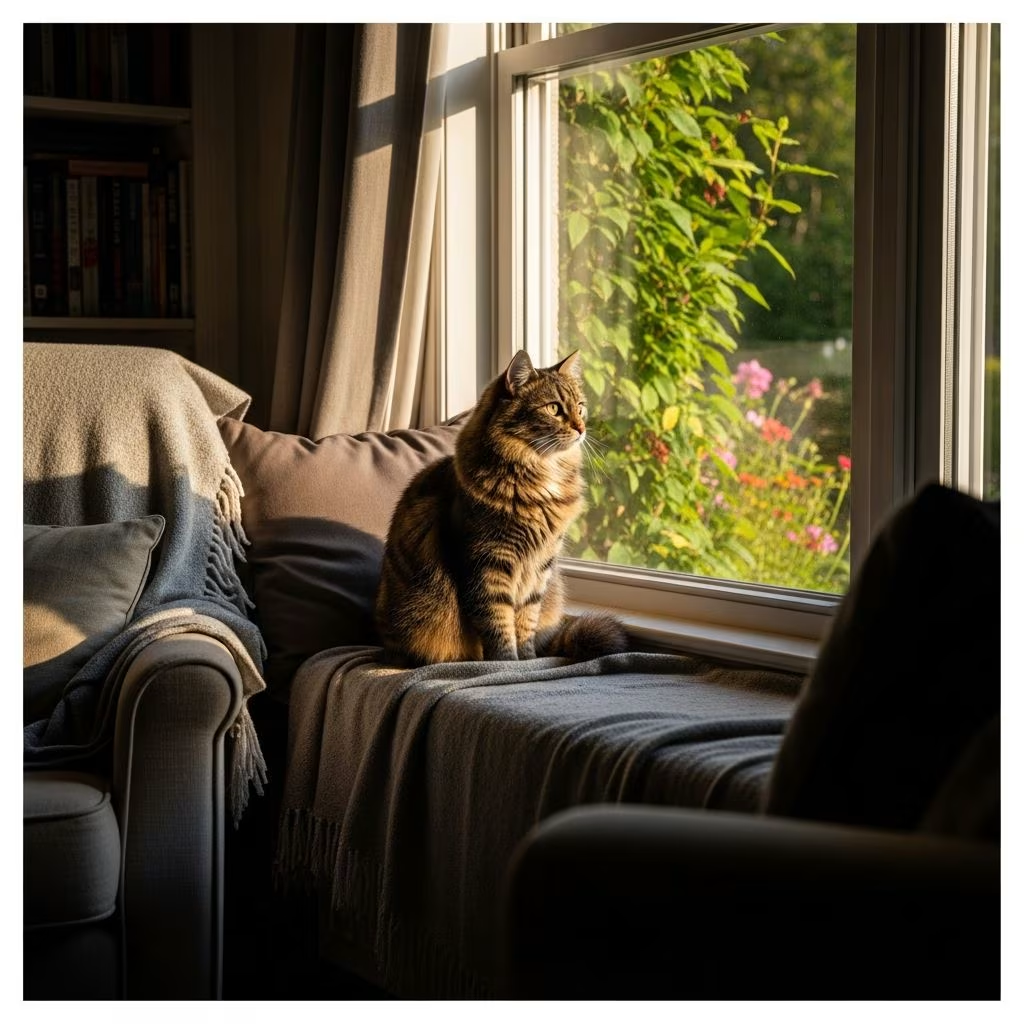
Cats are often seen as independent creatures capable of handling solitude better than dogs, but there are clear limits to how long they can be left alone without risking their health, happiness, or safety. Factors like age, health status, personality, and home environment play crucial roles in determining these boundaries. Understanding these guidelines helps cat owners plan trips or workdays confidently while prioritizing feline well-being.
Factors Influencing Safe Alone Time for Cats
Several variables dictate how long a cat can manage without human presence. Younger cats require more frequent attention due to their developmental needs, while seniors may need checks for medical reasons. Personality matters too—some cats thrive in solitude, others grow anxious. Home setup, including access to resources and temperature control, is equally vital.
- Age: Kittens and elderly cats demand shorter intervals between check-ins.
- Health: Illnesses or medications shorten safe alone periods.
- Temperament: Anxious or destructive cats may not tolerate extended absences.
- Environment: Secure, enriched spaces allow longer stays; hazards reduce them.
- Multi-pet households: Companions can extend tolerable time if they get along.
Age-Specific Guidelines for Leaving Cats Alone
Tailoring alone time to a cat’s life stage prevents issues like dehydration, boredom, or injury. Here’s a breakdown based on veterinary consensus.
| Age Group | Maximum Safe Alone Time | Key Considerations |
|---|---|---|
| Kittens under 4 months | 4 hours | Frequent feedings (3-4x/day), high mischief risk, need for supervision. |
| Kittens 4-6 months | 4-6 hours | Weaning complete but still playful; gradual training recommended. |
| Healthy adults (1-7 years) | 8-12 hours daily; 24-48 hours occasionally | Depends on routine familiarity, food/water access. |
| Senior cats (8+ years) | 8 hours max; avoid overnights | Sensitive to routine changes, potential meds, health monitoring. |
For adult cats accustomed to alone time, a full workday (8-12 hours) is generally fine, but exceeding 24 hours raises risks like litter overflow or illness going unnoticed.
Essential Preparations Before Leaving Your Cat Alone
Proper setup turns potential hazards into manageable scenarios. Focus on sustenance, hygiene, safety, and mental stimulation.
Food and Water Essentials
Provide ample dry kibble for adults, as wet food spoils quickly. Use multiple water bowls or fountains in different rooms to encourage hydration. For longer absences, automatic feeders ensure timed portions, preventing overeating.
- Calculate daily intake: Leave 1.5x normal amount for buffer.
- Fresh water: At least 1/2 cup per 10 lbs body weight daily.
- Avoid milk or human foods—stick to cat-safe options.
Litter Box and Hygiene Management
A clean litter box is non-negotiable; cats avoid soiled ones, leading to accidents. For 24+ hours, use clumping litter and extra boxes (rule: one per cat plus one). Self-cleaning models or scheduled scooping by sitters help.
Home Safety Checks
Scan for dangers: Secure cords, hide toxins (plants, cleaners), block escape routes. Maintain 65-75°F temperature. If outdoor access is normal, keep cat flaps open to avoid stress.
Enrichment to Combat Boredom
Idle cats chew furniture or vocalize excessively. Deploy puzzle feeders, window perches, rotating toys, and scratching posts. Calming pheromones (Feliway) soothe anxious pets.
Recognizing and Mitigating Risks of Extended Absences
Even prepared homes pose dangers. Cats may encounter toxins, develop urinary issues from dirty litter, or suffer heat/cold stress. Boredom fuels destructiveness; isolation causes depression-like symptoms.
- Health emergencies: Vomiting, lethargy go unchecked.
- Dehydration: Stagnant water bowls invite bacteria.
- Behavioral issues: Scratching, spraying from stress.
For trips over 48 hours, never rely solely on auto-feeders—human oversight is critical.
Training Your Cat for Independence
Build tolerance gradually, especially for kittens. Start with 5-10 minute departures, rewarding calm returns. Use carriers for positive associations. Consistency reinforces security.
- Short outings with treats upon return.
- Increase to hours over weeks.
- Monitor via cameras for stress cues (pacing, hiding).
Professional Care Solutions for Longer Trips
Pet sitters or boarding provide interaction. Sitters visit 1-2x daily for feeding, play, litter duty. Apps like Rover connect owners with vetted pros. Boarding suits social cats but check facilities.
| Option | Pros | Cons | Best For |
|---|---|---|---|
| In-Home Sitter | Familiar environment, routine continuity | Costlier ($20-50/visit) | Anxious or senior cats |
| Boarding Facility | 24/7 supervision, vet proximity | Stress from new smells/people | Social, healthy adults |
| Auto-Devices + Neighbor Check | Affordable, minimal intrusion | Limited monitoring | Short overnights |
Special Considerations for Multi-Cat Homes
Compatible cats entertain each other, extending safe alone time. Watch for bullying—separate resources prevent fights. Extra food bowls and boxes reduce tension.
Common Myths About Cats and Solitude
Myth: Cats don’t need company. Reality: They form bonds and suffer loneliness. Myth: Water bowls last forever. Reality: Refresh every 12 hours.
Frequently Asked Questions (FAQs)
Can I leave my cat alone overnight?
Occasionally yes for adults (up to 12-24 hours) with prep, but not routinely.
What if my cat has health issues?
Shorten to 4-8 hours; arrange daily visits for meds.
Is it okay for a week-long trip?
No—hire sitters for daily checks.
How do I know if my cat is stressed?
Signs: Hiding, over-grooming, appetite loss. Use cameras.
Can technology replace sitters?
Partially—cameras/feeders help, but not fully for 48+ hours.
By respecting these limits and preparations, you ensure your cat’s time alone is safe and low-stress. Always consult your vet for personalized advice.
References
- How long can you leave a cat alone? – Cats Protection — Cats Protection. 2023. https://www.cats.org.uk/cats-blog/how-long-can-you-leave-a-cat-alone
- How Long Can You Leave A Cat Home Alone? — Woburn Animal Hospital. 2023-05-30. https://www.woburnanimalhospital.com/site/blog/2023/05/30/cat-home-alone
- How Long Can You Leave a Cat Alone? – PetMD — PetMD. 2023. https://www.petmd.com/cat/general-health/how-long-can-you-leave-a-cat-alone
- How long can you leave a cat alone? – Veterinary Associates — Grenada Vets. 2023-07-15. https://www.grenadavets.com/site/blog/2023/07/15/leaving-cat-alone
- How long can you leave a cat home alone? | Port Jefferson Vets — Port Jefferson Animal Hospital. 2024-05-15. https://www.portjeffersonanimalhospital.com/site/blog/2024/05/15/how-long-leave-cat-alone



