

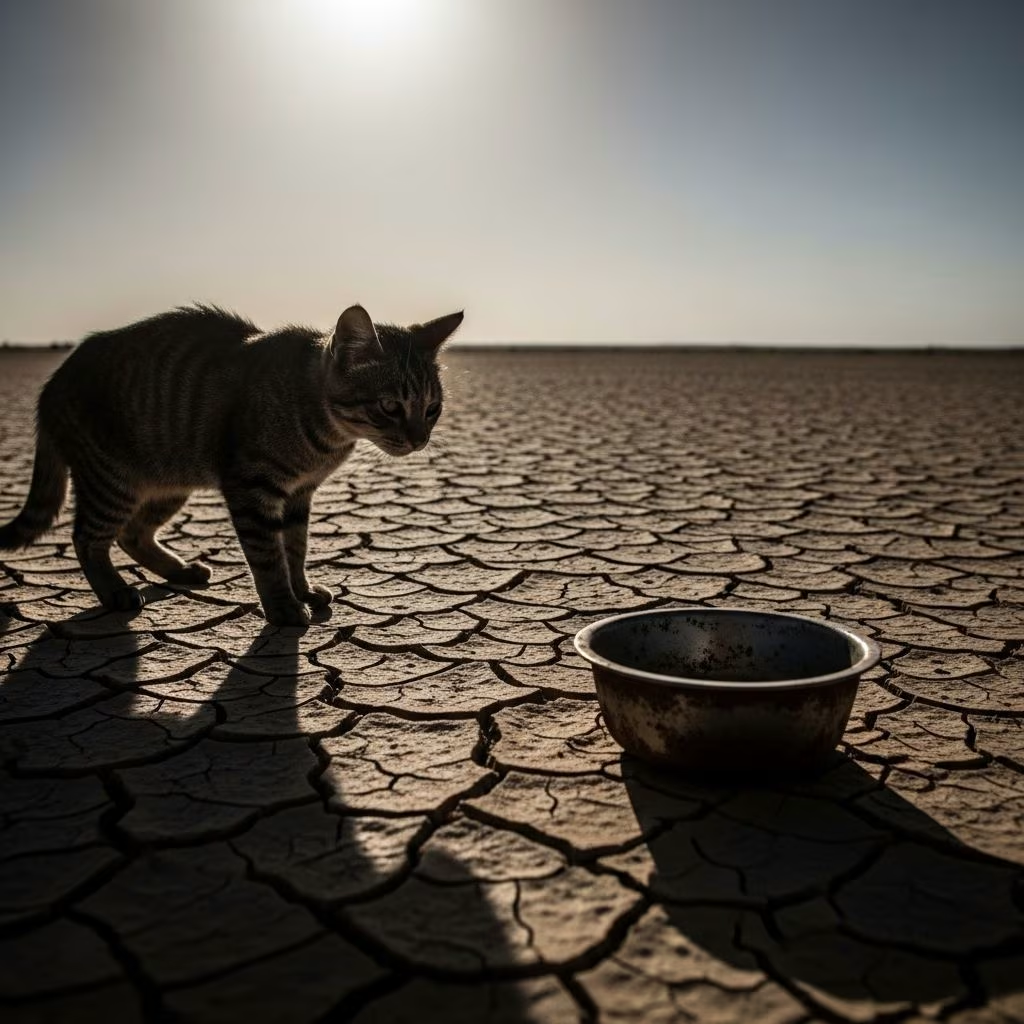
Cats can survive without water for approximately 3 days, but dehydration risks escalate after 24 hours, potentially leading to organ failure and death. Understanding this timeline is crucial for cat owners to prevent life-threatening situations.
How Long Can Cats Go Without Water?
The average adult cat can endure about **3 days without water**, though this varies by age, health, environment, and activity level. Kittens, seniors, or cats with conditions like kidney disease may succumb within 24-48 hours due to faster dehydration. Cats derive much hydration from food, especially wet varieties, masking true intake needs.
Dehydration progresses rapidly: after **24 hours**, mild symptoms appear; by **48 hours**, moderate effects strain organs; beyond **72 hours**, severe outcomes like kidney shutdown occur. Veterinary guidelines stress immediate action post-24 hours without fluids.
Signs of Dehydration in Cats
Early detection saves lives. Monitor for these **key dehydration indicators** in cats:
- Dry, sticky gums: Press gums; color should return in under 2 seconds. Slow return signals dehydration.
- Skin tenting: Pinch shoulder skin; it should snap back instantly. Slow recoil confirms fluid loss.
- Sunken eyes and dry nose: Visible in moderate cases, worsening with severity.
- Lethargy and weakness: Reduced activity, hiding, or reluctance to move.
- Reduced urine output: Fewer litter clumps, darker urine indicating concentration.
- Rapid heartbeat and panting: Body compensates for viscous blood.
Severe signs include collapse, hypothermia (cool extremities), and no urine for 24 hours—emergencies requiring instant vet care.
What Happens If a Cat Doesn’t Drink Water?
Without water, a cat’s body shifts into survival mode, but damage accumulates swiftly. Blood thickens, straining the heart and reducing circulation. Kidneys conserve water by minimizing urine, causing toxin buildup and potential failure within 72 hours. Electrolyte imbalances trigger arrhythmias.
Cats’ desert ancestry aids short-term endurance, but prolonged lack leads to multi-organ stress. Combined with no food, hepatic lipidosis (fatty liver) risks rise after 48 hours. The Merck Veterinary Manual notes irreversible liver harm from fat metabolism overload.
Dehydration Timeline in Cats
This table outlines dehydration progression based on veterinary data:
| Timeframe | Symptoms Without Water | Effects Without Food | Combined Risks |
|---|---|---|---|
| 24 Hours | Early dehydration; low urine | Normal if healthy | Mild stress; monitor closely |
| 48 Hours | Dry gums, lethargy, skin tenting | Liver stress begins | Organ strain; vet check needed |
| 72 Hours | Severe: sunken eyes, rapid pulse | Hepatic lipidosis risk | Critical; kidney/liver failure |
| 96+ Hours | Lethal kidney shutdown | Multi-organ failure | Survival unlikely without ICU |
Data aligns with American Veterinary Medical Association guidelines on feline hydration. Healthy cats on wet food may last slightly longer, but never exceed 24 hours safely.
Risks and Dangers of Dehydration
Dehydration isn’t just thirst—it’s a cascade of failures. Primary dangers include:
- Kidney damage: Toxin accumulation leads to acute failure; Veterinary Centers of America reports irreversibility post-72 hours.
- Cardiac issues: Thick blood causes arrhythmias.
- Hepatic lipidosis: Especially in overweight cats fasting over 48 hours.
- Organ shutdown: Untreated severe cases fatal within days.
Pre-existing issues like diabetes or CKD shorten timelines dramatically. Cornell University Veterinary Medicine highlights seniors/kittens at highest risk.
How to Encourage Your Cat to Drink More Water
Prevent issues with these proven strategies:
- Fresh, flowing water: Fountains mimic streams, boosting intake by 20-50%.
- Multiple stations: Place bowls around home; elevate for appeal.
- Wet food boost: 70-80% water content meets needs.
- Flavor enhancers: Low-sodium tuna water or chicken broth.
- Clean bowls daily: Stagnant water deters drinking.
- Syringe feeding: 1-2ml water/hour if refusing (vet-guided).
Aim for 45-90ml/kg/day intake; monitor via litter output.
When to Take Your Cat to the Vet
Act fast on these red flags:
- No drink/eat for 24 hours.
- Any dehydration sign persists.
- No urine 24 hours, vomiting, labored breathing.
- Temp below 99°F, collapse.
American Animal Hospital Association data shows 24-hour treatment yields better outcomes. Vets use fluids, diagnostics for reversal.
FAQs
How long can a cat go without water before it dies?
Typically 3 days max for adults, but 24-48 hours risks severe dehydration; death follows without intervention.
Can cats get water from food?
Yes, wet food provides 70-80% hydration, reducing direct drinking needs.
How do I check if my cat is dehydrated?
Use gum test (quick color return), skin tent, urine check.
What if my cat won’t drink for a day?
Offer broth, fountain; vet if no improvement in hours.
Is dehydration worse than no food?
Yes, water lack kills faster (3 days vs. 1-2 weeks with water).
References
- Cat Survival Without Water and Food: Timelines & Warning Signs — Alibaba Spice Basics. 2023. https://spice.alibaba.com/spice-basics/how-long-can-a-cat-survive-without-water-and-food
- How Long Can Cats Go Without Food & When to Be Concerned — Purina. 2024. https://www.purina.com/articles/cat/feeding/guides/how-long-can-cats-go-without-food
- How Long Can A Cat Go Without Water? — Pacagen. 2024. https://pacagen.com/blogs/cat-allergies/how-long-can-a-cat-go-without-water
- How Long Can A Cat Go Without Water? Dehydration In Cats 101 — Tractive. 2024. https://tractive.com/blog/en/health/how-long-can-a-cat-go-without-water
- Dehydration in cats — Joii Pet Care. 2024. https://www.joiipetcare.com/blogs/health-symptoms/dehydration-in-cats



