

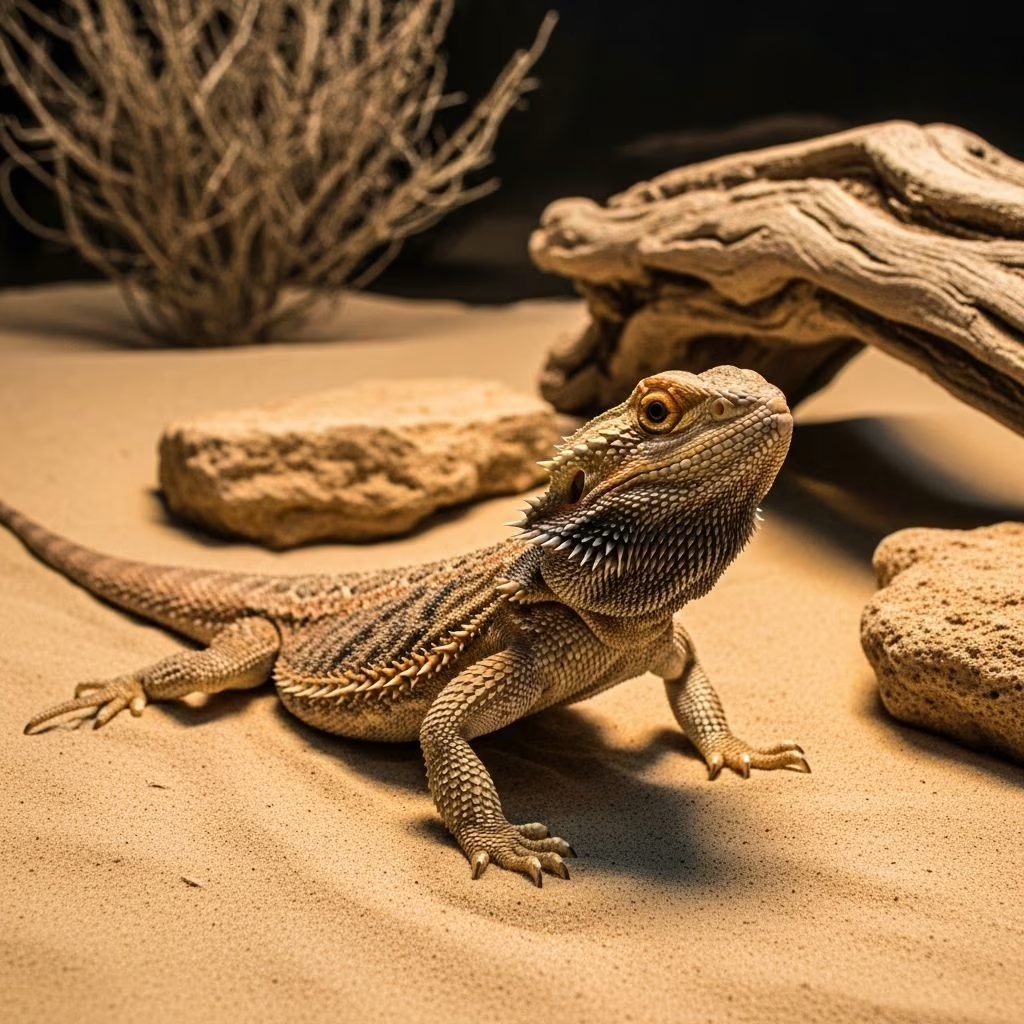
How Long Can a Bearded Dragon Go Without Food?
Understanding your bearded dragon’s nutritional needs and fasting capabilities is essential for responsible pet ownership. The answer to how long a bearded dragon can go without food depends on several critical factors, including the dragon’s age, overall health status, current weight, and environmental conditions. While these resilient reptiles have impressive survival capabilities, knowing the limits helps you provide optimal care and recognize potential health problems before they become serious.
Fasting Duration by Age
The length of time a bearded dragon can survive without food varies dramatically depending on life stage. Understanding these age-specific guidelines helps you monitor your pet appropriately and know when to be concerned.
Baby Bearded Dragons (0-4 Months)
Baby bearded dragons are in a critical growth phase and have very limited fasting tolerance. These young reptiles should not go more than 24 to 48 hours without eating. Their tiny bodies lack the fat reserves and metabolic adaptation of adult dragons, and their rapid growth demands constant nutritional input. A baby beardie refusing food for even a day warrants investigation into potential causes such as stress, improper temperatures, or early signs of illness.
Juvenile Bearded Dragons (4-12 Months)
Juvenile dragons can typically handle 3 to 5 days without food, though this should still be cause for concern. Young dragons are still growing and developing, requiring consistent protein and nutrients to support their expanding bodies. If your juvenile dragon hasn’t eaten for more than a few days, this is the time to evaluate their living conditions and consider consulting a reptile veterinarian to rule out health issues.
Sub-Adult Bearded Dragons (12-18 Months)
Sub-adult dragons might be okay for approximately a week without food, depending on their size and overall health status. At this life stage, dragons are approaching their adult metabolism but may still have some growth to complete. A healthy sub-adult with good body condition may tolerate a week-long fast, but this remains outside the normal feeding schedule and should prompt investigation.
Adult Bearded Dragons (18+ Months)
Healthy adult bearded dragons can go without food for up to seven to 10 days under normal circumstances, and some may survive longer during brumation. In exceptional cases with excellent body condition, adults might survive for two to three months without eating. However, survival timeframes are not recommended fasting periods. Even though adults can technically survive extended periods without food, regular feeding remains essential for maintaining health, energy levels, and quality of life. A fasting period of 48 to 72 hours is recommended before biochemistry analysis in bearded dragons, suggesting that even brief fasting periods can affect their metabolic markers.
Understanding Brumation
Brumation is a natural, hibernation-like state that bearded dragons enter during cooler months. This biological process is completely different from appetite loss due to illness and represents normal reptilian behavior.
What Happens During Brumation?
During brumation, bearded dragons experience significant metabolic slowdown. They sleep for extended periods, barely move, and show zero interest in food. This state can last anywhere from a few weeks to several months, depending on the individual dragon and environmental conditions. Captive bearded dragons may enter brumation unpredictably, even without seasonal temperature changes, though it typically occurs during cooler months.
Distinguishing Brumation From Illness
The tricky part of brumation is distinguishing between normal behavior and actual illness. A brumating dragon should still be alert when you manage to wake them, and they should not show signs of weight loss or other health issues. Healthy brumating dragons maintain their body condition and show normal responsiveness when aroused. In contrast, sick dragons may appear lethargic even when awake, show visible weight loss, or display other concerning symptoms.
Nutrition During Brumation
While bearded dragons don’t eat during brumation, they still need access to water. Providing a shallow water dish or misting their environment ensures they can hydrate if they wake. Some dragons may eat occasionally during brumation, so offering food without forcing it is appropriate. After brumation ends, dragons may take time to resume normal eating patterns and recover their energy levels.
Common Reasons for Appetite Loss
When your bearded dragon stops eating, multiple factors could be responsible. Understanding these common causes helps you respond appropriately and determine whether veterinary care is necessary.
Stress
Bearded dragons are sensitive to environmental stress. Moving to a new vivarium, introducing a new diet, adding new decorations, or changes in their routine can cause temporary appetite loss. Stress-related fasting typically resolves once the dragon adjusts to changes, but extended stress requires environmental modifications to restore comfort.
Illness
Illness is a serious concern when appetite loss occurs. Reptiles don’t display symptoms as obviously as mammals, making early detection challenging. If your dragon refuses food while acting unusual, showing lethargy, displaying discolored skin, or exhibiting other abnormal behaviors, contact a reptile veterinarian promptly. A beardie that fasts for a day or two might be fine, and short fasts can even help clear the system of whatever caused the appetite loss. However, combined with other symptoms, fasting indicates a need for professional evaluation.
Impaction
Impaction is one of the most serious reasons a bearded dragon might stop eating. This condition occurs when something blocks the digestive tract, often substrate like sand, but sometimes large prey items or accidentally ingested foreign objects. An impacted dragon typically shows additional symptoms including lethargy, inability to defecate, a swollen abdomen, and general discomfort. Impaction is a veterinary emergency requiring immediate professional intervention.
Improper Husbandry
Incorrect temperature, inadequate lighting, wrong humidity levels, or inappropriate enclosure setup can suppress appetite. Bearded dragons require specific environmental conditions to thrive. UVB lighting, proper basking temperatures (95-110°F for adults), and appropriate substrate all contribute to normal feeding behavior. Review your dragon’s habitat if appetite loss occurs without other obvious causes.
When to Seek Veterinary Care
Knowing when professional help is necessary protects your dragon’s health and catches serious problems early.
Immediate Veterinary Attention
Seek immediate veterinary care if your dragon shows appetite loss combined with:
- Lethargy or unusual behavior
- Inability to defecate or constipation
- Swollen abdomen
- Discolored or shedding skin
- Paralysis or difficulty moving
- Discharge from eyes, nose, or mouth
- Visible weight loss
Non-Emergency Veterinary Consultation
Contact your reptile veterinarian for a consultation (non-emergency) if your dragon hasn’t eaten for more than a few days without other explanations, shows prolonged appetite loss, or if you’re unsure whether symptoms warrant emergency care. Routine check-ups during extended fasting periods lasting more than 6 to 8 weeks are appropriate, even if your dragon appears to be brumating normally. A qualified exotic veterinarian can assess body condition, check for underlying health issues, and provide guidance on whether intervention is needed.
Recovery After Extended Fasting
Dragons who’ve gone through extended fasting periods often need time to fully recover their normal energy levels and body condition. Be patient and supportive during this recovery phase, expecting gradual improvement rather than immediate return to pre-fasting condition. Provide high-quality nutrition, maintain proper environmental temperatures, and monitor behavior closely. While occasional natural fasting doesn’t typically cause long-term health issues, frequent or problematic appetite loss can have cumulative effects on overall health. Addressing underlying causes and maintaining excellent husbandry helps prevent recurring problems.
Proper Feeding Schedule Guidelines
Research suggests that a feeding frequency of 2 to 3 days for adult bearded dragons represents healthy nutritional spacing. This means adults should receive food regularly, not just when they seem interested. Young dragons require much more frequent feeding to support their growth and development. Juveniles should eat daily or multiple times daily, depending on their age and size. Establishing consistent feeding schedules helps normalize appetite and makes it easier to notice when something is wrong.
Factors Affecting Fasting Duration
Several individual characteristics influence how long your specific dragon can comfortably fast:
Body Condition
A chubby dragon with excellent fat reserves can probably last longer than a skinny or underweight one. Dragons with poor body condition cannot tolerate extended fasting and may experience serious health risks from even short periods without food. Maintain your dragon’s ideal body weight for optimal resilience.
Overall Health Status
Sick or underweight dragons may experience serious health risks if they skip meals for more than a few days. Any underlying health conditions reduce fasting tolerance significantly. Regular veterinary check-ups help identify health problems before they become critical.
Metabolism and Activity Level
Individual dragons have varying metabolic rates. Very active dragons burn energy faster than sedentary ones, making extended fasting less suitable. Environmental temperature also affects metabolism, with cooler temperatures slowing energy expenditure.
Frequently Asked Questions
Q: Can a healthy adult bearded dragon really go two to three months without food?
A: Yes, some healthy adult bearded dragons with excellent body condition can survive two to three months without eating. However, survival capability is different from optimal health maintenance. Regular feeding is still recommended for maintaining energy, behavior, and long-term health.
Q: My baby bearded dragon hasn’t eaten in 24 hours. Should I be worried?
A: Yes, you should investigate. Baby dragons shouldn’t go more than 24 to 48 hours without eating. Check environmental conditions, temperature, and lighting, and contact a reptile veterinarian if you can’t identify the cause or if your baby shows other symptoms.
Q: How do I know if my dragon is brumating or sick?
A: A brumating dragon remains alert when awake, maintains body condition, and shows no other health problems. A sick dragon may appear lethargic even when aroused, show visible weight loss, or display concerning symptoms like discharge or discolored skin.
Q: Should I force-feed my fasting bearded dragon?
A: Never force-feed without veterinary guidance. Force-feeding can cause serious injury or aspiration. Instead, address underlying causes and consult your veterinarian if fasting persists.
Q: Is it normal for bearded dragons to refuse food?
A: Brief periods of reduced appetite can be normal, especially during seasonal changes or after environmental adjustments. However, complete appetite loss warrants investigation into stress, illness, improper husbandry, or other health factors.
Q: What should I do if my dragon hasn’t eaten for a week?
A: A week without food is concerning for most dragons outside of brumation. Contact your reptile veterinarian to rule out impaction, illness, or other serious health issues. In the meantime, ensure proper environmental conditions and reduce stress.
Best Practices for Bearded Dragon Care
Proactive care, proper husbandry, and regular checkups are the best ways to ensure your bearded dragon lives a long, healthy life. Maintain appropriate temperatures, provide UVB lighting, offer varied nutrition, and establish consistent feeding schedules. Monitor your pet’s behavior and body condition closely, and don’t hesitate to seek professional veterinary guidance when you have concerns. While understanding your dragon’s fasting capabilities is important, remember that survival isn’t the same as thriving—your dragon deserves optimal care throughout their life, fasting periods included.
References
- Diet type, fasting duration, and computed tomography hepatic lipidosis in bearded dragons — PubMed/National Center for Biotechnology Information. 2024-11-01. https://pubmed.ncbi.nlm.nih.gov/39673882/
- Reptile and Amphibian Health Resources — Chewy Education. Accessed 2025-11-28. https://www.chewy.com/education/reptile-and-amphibian/bearded-dragon/



