

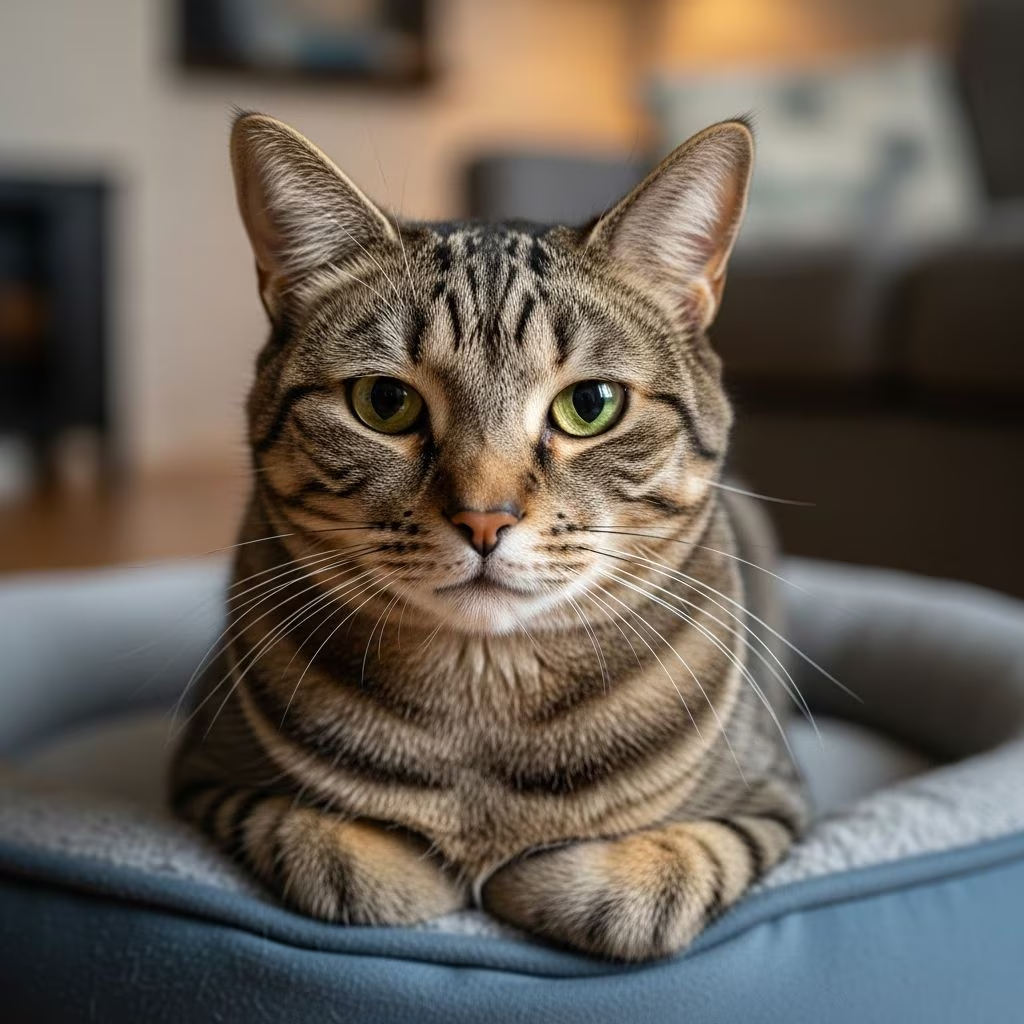
Cats are generally efficient at maintaining regular bowel movements, but occasional delays happen. A cat can safely go **48-72 hours** without pooping before it signals potential constipation, which requires prompt attention to prevent complications like megacolon. Understanding normal patterns, signs of trouble, causes, and treatments helps cat owners act quickly.
Normal Cat Poop Schedule
Cats typically poop **once every 24-48 hours**, influenced by diet, hydration, age, and activity. Kittens and young cats may go more frequently, up to twice daily, while seniors or less active cats might average every other day. Factors like switching to wet food can increase frequency due to higher moisture content.
- Daily poopers: Active cats on wet food or high-fiber diets.
- Every 2 days: Common for dry food eaters or sedentary felines.
- Variations: Stress, travel, or diet changes can temporarily alter schedules.
Track your cat’s habits with a journal noting food intake, water consumption, and litter box use for patterns.
Signs Your Cat Is Constipated
Constipation manifests through behavioral and physical cues. Watch for straining in the litter box without results, hard dry stools, or vocalizing during attempts.
- Litter box straining: Repeated visits with no output, digging excessively.
- Hard, pebble-like poop: Small, dry lumps instead of formed segments.
- Reduced appetite: Lethargy, vomiting, or refusal to eat.
- Abdominal discomfort: Bloated belly, sensitivity to touch, hunched posture.
- Behavioral changes: Hiding, aggression, or avoiding the box altogether.
Early detection prevents escalation; if no poop in 72 hours with these signs, seek veterinary care.
How Long Is Too Long Without Pooping?
Beyond **48 hours**, risks rise for dehydration and toxin buildup. By **72 hours**, it’s often obstipation—severe blockage needing intervention. Untreated cases can lead to megacolon, where the colon dilates irreversibly.
| Timeframe | Risk Level | Action |
|---|---|---|
| 24-48 hours | Low | Monitor hydration, diet. |
| 48-72 hours | Moderate | Try home remedies, call vet. |
| Over 72 hours | High | Emergency vet visit. |
Severity depends on the cat’s health; dehydrated or elderly cats tolerate delays poorly.
Causes of Constipation in Cats
Multiple factors contribute, from dietary issues to medical conditions. Dehydration tops the list, as dry food without enough water hardens stools.
- Dietary issues: Low-fiber dry kibble, hairballs, or sudden changes.
- Dehydration: Insufficient water intake, especially in multi-cat homes.
- Obstructions: Matted fur, foreign objects, or tumors.
- Mobility problems: Arthritis in seniors limiting box access.
- Medical conditions: Kidney disease, hyperthyroidism, or megacolon.
- Stress: New pets, moves, or unclean litter boxes.
Chronic cases often stem from idiopathic megacolon, affecting colon motility.
Megacolon in Cats: A Serious Complication
Megacolon occurs when prolonged constipation stretches the colon, impairing function. Symptoms include liquid leakage around hard masses and severe bloating. Diagnosis via X-rays shows dilated colon; treatment ranges from aggressive deobstipation to surgery in refractory cases. Prevention through early intervention is key, as medical management fails in advanced stages.
Home Remedies for Mild Constipation
For short delays under 48 hours, try vet-approved remedies. Always consult a professional first.
- Increase hydration: Switch to wet food, use fountains, add broth to water.
- Fiber boost: 1 tsp plain canned pumpkin daily (not pie filling).
- Exercise: Play sessions to stimulate gut motility.
- Probiotics: Cat-specific formulas for gut health.
- Litter box tweaks: Add boxes, use low-sided ones for easy access.
Avoid human laxatives or enemas—they can rupture the colon.
When to See the Vet
Rush to the vet if no poop in 72+ hours, blood in stool, vomiting, or extreme lethargy. Diagnostics include exams, bloodwork, X-rays, or ultrasounds to identify causes like kidney issues.
Treatments: Enemas under sedation, manual removal, IV fluids, or laxatives like lactulose/Miralax. Chronic cases may need cisapride or dietary prescription foods.
Preventing Constipation in Cats
Proactive steps maintain regularity. Ensure constant fresh water, mix wet/dry food, and groom regularly to reduce hairballs.
- Diet: High-fiber or moisture-rich foods.
- Weight management: Obesity hinders motility.
- Stress reduction: Pheromones, enrichment toys.
- Routine checkups: Screen for underlying diseases annually.
High-risk cats (seniors, Persians) benefit from routine fiber supplements.
Frequently Asked Questions (FAQs)
What do you give a cat for constipation?
Offer plain canned pumpkin (1 tsp daily), wet food for hydration, or vet-prescribed laxatives like lactulose. Probiotics aid gut health—never use human products.
How long can a kitten go without pooping?
Kittens should poop daily; over 24 hours needs vet attention, as they dehydrate fast.
Can hairballs cause constipation?
Yes, ingested fur forms blockages; regular grooming and malt paste prevent this.
Is Miralax safe for cats?
In vet-dosed amounts, yes, for short-term use to soften stools.
What if my cat hasn’t pooped in 4 days?
Emergency—risk of megacolon or rupture; seek immediate care.
References
- Constipation in Cats: Symptoms, Causes & Treatment — New Hope Animal Hospital. 2024-07-15. https://www.newhopeanimalhospital.com/site/blog/2024/07/15/constipation-cats
- Constipation in Cats — VCA Animal Hospitals. Accessed 2026. https://vcahospitals.com/know-your-pet/constipation-in-cats
- Cat Constipation Symptoms and Causes — PetMD. Accessed 2026. https://www.petmd.com/cat/conditions/digestive/cat-constipation-symptoms-causes
- Constipation, Obstipation, and Megacolon in Small Animals — Merck Veterinary Manual. Accessed 2026. https://www.merckvetmanual.com/digestive-system/diseases-of-the-large-intestine-in-small-animals/constipation-obstipation-and-megacolon-in-small-animals
- How Can I Help My Constipated Cat? — Michigan Animal Hospital. 2022-01-30. https://www.michigananimalhospital.com/site/blog/2022/01/30/constipation-cats



