

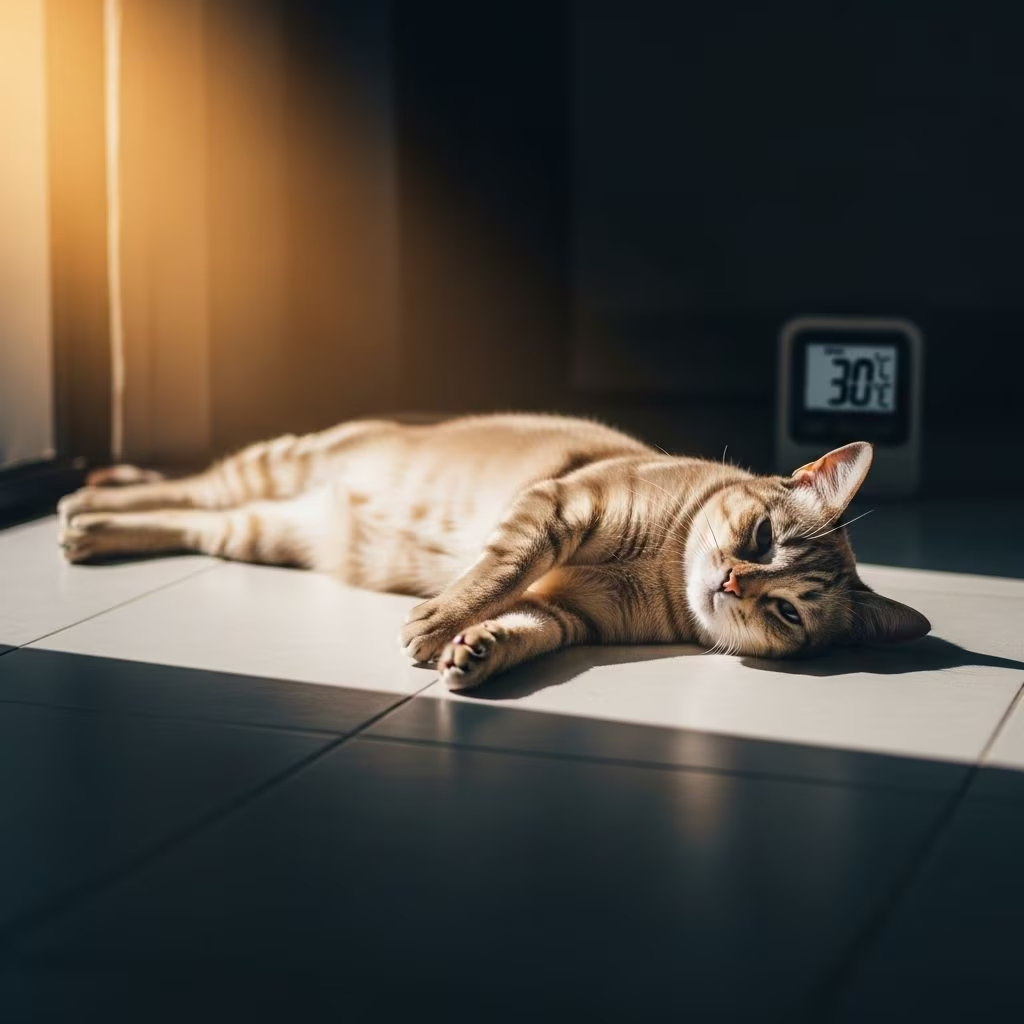
How Hot Is Too Hot for Cats: A Comprehensive Temperature Guide
Cats are known for their love of warmth and comfort, often seeking out sunny spots around the home to bask and relax. However, many cat owners don’t realize that there’s a significant difference between the warmth cats enjoy and temperatures that can actually harm them. Understanding your cat’s temperature needs and recognizing when conditions become dangerous is essential for responsible pet ownership, especially during hot months when indoor and outdoor temperatures can climb rapidly.
While cats can tolerate warmer environments than humans, they still face real risks from excessive heat. Unlike humans, who can cool themselves through sweating over most of their bodies, cats have limited cooling mechanisms and must rely primarily on panting and behavioral adjustments. This fundamental difference means that what might feel comfortable to you could potentially be dangerous for your feline companion.
Understanding Your Cat’s Normal Body Temperature
Before discussing what temperatures are too hot, it’s important to understand your cat’s baseline body temperature. A cat’s normal body temperature ranges from 100.5°F to 102.5°F (38°C to 39.2°C), which is significantly higher than the average human body temperature of approximately 98.6°F. This higher internal temperature means cats naturally tolerate warmer environments than humans do.
Because of this elevated body temperature, cats can theoretically tolerate hotter external conditions better than people. However, this biological advantage has limits. The ability to regulate body temperature is controlled by the hypothalamus, a critical structure in the brain that maintains the cat’s “set point” for normal temperature. When environmental conditions exceed a cat’s ability to regulate effectively, dangerous situations can develop quickly.
The Cat’s Thermoneutral Zone
One of the most important concepts for cat owners to understand is the “thermoneutral zone” (TNZ). This is the temperature range at which an animal’s body can maintain its normal temperature without expending extra energy to stay warm or cool down. For cats, this thermoneutral zone is approximately 86°F to 101°F (30°C to 38°C).
This is notably warmer than the thermoneutral zone for humans, which ranges from 64°F to 72°F. Many home environments are kept significantly cooler than cats prefer, meaning indoor cats often experience mild cold stress. This explains why cats constantly seek out warm spots—sunny windowsills, heated blankets, and warm laps provide comfort within their preferred temperature range.
What Temperature Is Too Hot for Cats?
Environmental temperatures above 100°F are considered too hot for cats and are generally deemed dangerous by veterinarians and animal health experts. While some sources suggest cats might theoretically handle temperatures around 100°F because of their higher body temperature, this is the absolute upper limit and should not be considered safe or comfortable for extended periods.
The safe indoor temperature range for cats is between 75°F to 80°F (24°C to 27°C). When you’re away from home, veterinarians recommend setting your thermostat no higher than 78°F to 80°F to ensure your cat remains comfortable and safe.
Understanding Heat-Related Medical Emergencies
When a cat’s body temperature rises above 103°F, hyperthermia develops, which can indicate heat exhaustion or potentially life-threatening heatstroke. At temperatures exceeding 106°F, cellular damage becomes significant, causing proteins to break down and leading to serious complications including clotting disorders and potentially death.
Importantly, even brief exposure to extreme heat in dangerous environments—such as a locked car on a sunny day—can cause deadly effects within minutes. This is why never leaving your cat unattended in a parked vehicle is absolutely critical, even on relatively mild days.
Ideal Indoor Temperatures for Cats
To maintain your cat’s comfort and health indoors, aim to keep your home within a reasonable temperature range. While cats prefer their thermoneutral zone of 86°F to 101°F, most people keep homes cooler for human comfort. A practical compromise is maintaining indoor temperatures between 75°F and 80°F.
However, it’s important to provide your cat with options to access warmer microclimates within your home:
- Warm cat beds: Offer comfortable resting spots that allow cats to regulate their own comfort
- Window perches: Enable cats to soak up natural sunlight and warmth throughout the day
- Heated cat beds: Provide supplemental warmth during cooler months or in naturally cool areas of your home
- Blankets and cushions: Create cozy warm spots where your cat can nest
This approach allows cats to self-regulate their temperature by moving between warmer and cooler areas as needed, mimicking their natural behavior in outdoor environments.
Factors That Increase Heat Sensitivity
Not all cats respond to heat in the same way. Several factors make certain cats more vulnerable to overheating and heat-related illness:
Age Considerations
Kittens and senior cats are particularly sensitive to extreme temperatures and may struggle to regulate their body temperature effectively. Kittens haven’t yet fully developed their thermoregulation systems, while older cats may have diminished physiological responses to temperature stress.
Health Status
Cats with existing health conditions, obesity, or overweight status are more susceptible to overheating. Additionally, cats with respiratory conditions, heart disease, or other chronic illnesses may have compromised ability to cope with heat stress.
Coat Type and Length
Long-haired cats and breeds with dense coats are more prone to overheating than short-haired varieties. Cats with thick undercoats have less efficient heat dissipation and may struggle more in warm environments.
Environmental Humidity
High humidity significantly impacts a cat’s ability to cool through panting, as moisture in the air reduces evaporative cooling efficiency. Warm, humid conditions are particularly dangerous for cats.
Signs of Heat Stress and Overheating in Cats
Recognizing early warning signs of heat stress allows you to intervene before a serious medical emergency develops. Common indicators that your cat is becoming overheated include:
- Panting: When cats pant to bring their body temperature down, this is a sign of heat exhaustion and indicates your cat needs immediate cooling. Unlike dogs, cats rarely pant under normal circumstances, making this a particularly concerning symptom
- Excessive drooling: Increased salivation may indicate heat stress
- Lethargy and weakness: Heat-stressed cats become listless and unresponsive
- Rapid or shallow breathing: Accelerated respiration is a sign of heat stress
- Vomiting or diarrhea: Gastrointestinal upset can occur with heat exhaustion
- Glazed eyes: A distant or unfocused look may indicate severe heat stress
- Seeking cool surfaces: Cats may lie on tile floors, in bathtubs, or seek other cool spots more intensively than usual
If you notice any of these signs, move your cat to a cooler area immediately and contact your veterinarian for guidance.
Protecting Outdoor and Feral Cats
If you have outdoor or feral cats that cannot come inside during hot weather, taking preventive measures is crucial for their safety and wellbeing.
Creating Shade and Cool Spaces
Shaded spots can be 15 to 20 degrees cooler than sunlit areas, and surfaces out of direct sunlight may remain up to 45 degrees cooler. Providing covered outdoor spaces such as:
- Shaded shelters or cat houses
- Raised beds positioned in shade
- Access to air-conditioned spaces like covered patios when possible
- Dense vegetation or bushes that provide natural shade
Water and Hydration
Ensure outdoor cats have constant access to fresh, cool water. Consider using specially designed cooling bowls that maintain water temperature for extended periods—some can keep water cool for at least 15 hours.
Limiting Activity
During the hottest parts of the day, encourage cats to rest in shaded, cool areas rather than engaging in active play or hunting when possible.
Emergency Response to Heat Illness
If your cat shows severe signs of heat exhaustion or heatstroke, immediate action is necessary:
- Move your cat to a cool environment immediately
- Provide access to fresh water if your cat is able to drink
- Apply cool (not cold) water to your cat’s body, particularly on the head, neck, and body
- Use fans to increase air circulation around your cat
- Contact your veterinarian or emergency veterinary clinic immediately for professional assessment and treatment
Do not use ice-cold water, as this can cause shock. Cool water is more appropriate for gradual temperature reduction.
Seasonal Considerations and Home Management
Managing your home temperature appropriately throughout the year helps maintain your cat’s comfort and health:
Summer Strategies
During hot months, keep your air conditioning running consistently when you’re away. Running the AC cooler than recommended is perfectly acceptable if it helps your cat stay comfortable. Some cat owners find it helpful to close off certain rooms to create smaller, more efficiently cooled spaces.
When AC Breaks Down
If your air conditioning fails during warm weather, provide alternative cooling methods such as fans, cool washcloths, and increased water availability until repairs are made. Keep a close eye on your cat for any signs of heat stress, being especially vigilant with senior cats, kittens, or cats with existing health conditions.
Comparison of Temperature Preferences
| Species | Normal Body Temperature | Thermoneutral Zone | Safe Indoor Range | Too Hot Above |
|---|---|---|---|---|
| Cats | 100.5–102.5°F | 86–101°F | 75–80°F | 100°F |
| Dogs | 99.5–102.5°F | 68–95°F | 72–78°F | 105°F+ |
| Humans | 98.6°F | 64–72°F | 68–72°F | 95°F+ |
Frequently Asked Questions
Q: Can cats die from heat exhaustion?
A: Yes, heat exhaustion and heatstroke can be fatal in cats. At temperatures above 106°F, cellular damage occurs that can lead to organ failure and death. Even briefer exposure to extreme heat in dangerous environments like locked cars can be deadly.
Q: How do I know if my cat is too hot?
A: Signs include panting, excessive drooling, lethargy, rapid breathing, vomiting, glazed eyes, and seeking cool surfaces constantly. Panting is particularly concerning as cats rarely pant under normal circumstances.
Q: Why do cats love warm temperatures if too much heat is dangerous?
A: Cats’ thermoneutral zone is 86–101°F, making them naturally attracted to warmth. However, this preference has limits, and extended exposure to temperatures exceeding 100°F becomes dangerous despite their comfort-seeking behavior.
Q: Should I shave my long-haired cat to help them stay cool?
A: Generally, this isn’t recommended without veterinary guidance. While it may provide some relief, cats need their coats for protection and temperature regulation. Instead, focus on providing cool spaces, water, and limiting activity during hot periods.
Q: What’s the best way to cool down an overheated cat?
A: Move your cat to a cool area, provide fresh water, apply cool (not cold) water to their body, ensure good air circulation with fans, and contact your veterinarian immediately for professional assessment.
Q: Are some cat breeds more sensitive to heat?
A: Yes, long-haired breeds and cats with dense undercoats are more prone to overheating. Additionally, flat-faced breeds (brachycephalic cats) may have compromised breathing efficiency in heat.
Q: Is 78°F safe for cats when I’m away?
A: Yes, 78–80°F is the recommended upper limit for indoor temperatures when cats are left alone. This provides a safety margin while still allowing cats reasonable comfort, though some owners prefer keeping temperatures cooler.
References
- Understanding Safe Temperature Limits for Cats — Pretty Litter. 2024. https://www.prettylitter.com/blog/understanding-safe-temperature-limits-for-cats
- What Temperature Do Cats Like? — Hill’s Pet Nutrition. 2024. https://www.hillspet.com/cat-care/routine-care/what-temperature-do-cats-like
- How Hot Is Too Hot for Cats? — PetMD. 2024. https://www.petmd.com/cat/general-health/how-hot-is-too-hot-for-cats
- What Temperature Is Too Hot for Cats? — K&H Pet Products. 2024. https://khpet.com/blogs/cats/what-temperature-is-too-hot-for-cats
- Can We Keep Our Cats Warm Enough? — American Veterinary Society of Animal Behavior (AVSAB). 2024. https://avsab.org/can-we-keep-our-cats-warm-enough/
- How Hot Is Too Hot for Cats? Your Guide to Caring for Outdoor Cats as Temperatures Rise — Aspen Veterinary Flagstaff. 2024. https://www.aspenvetflagstaff.com/services/cats/blog/how-hot-too-hot-cats-your-guide-caring-outdoor-cats-temperatures-rise
- Fever in Cats: Symptoms and Treatments — WebMD Pets. 2024. https://www.webmd.com/pets/cats/fevers-in-cats



