

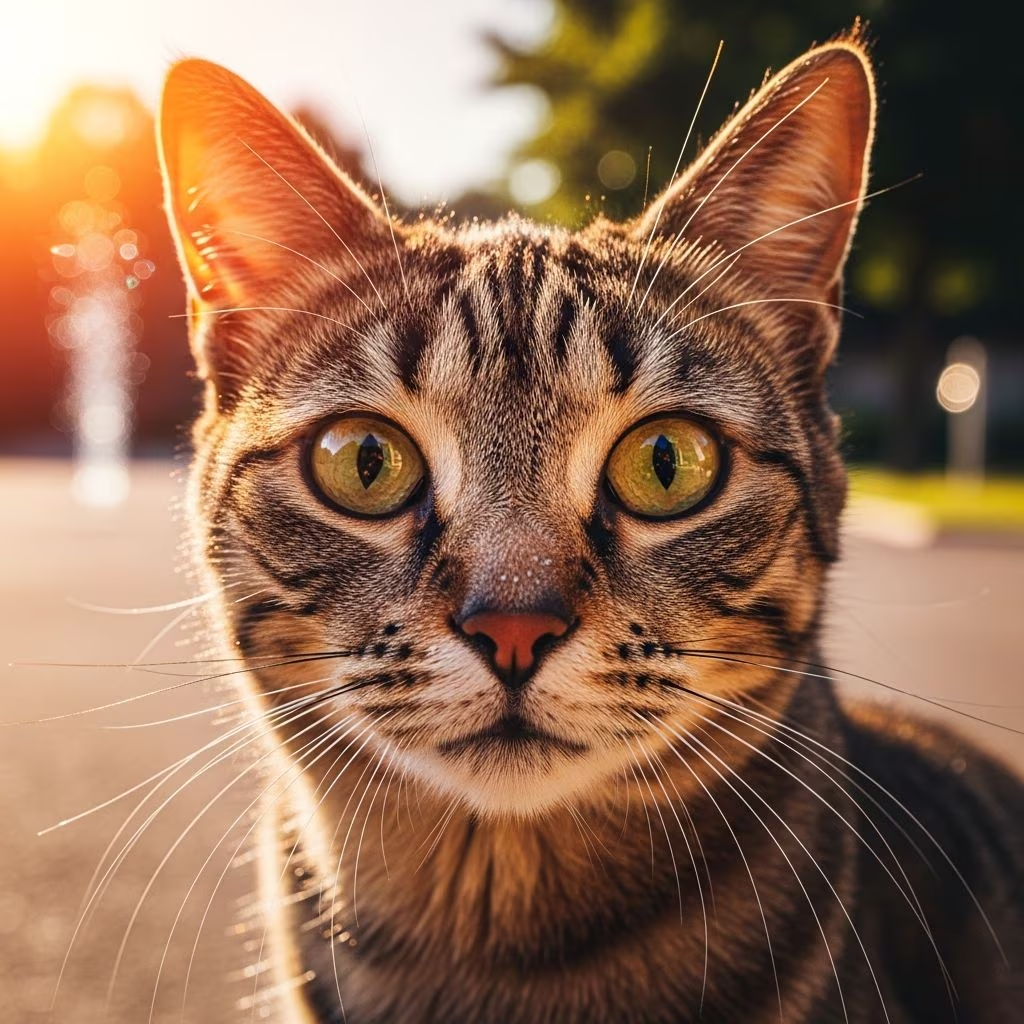
Cats are sensitive to high temperatures, with **heatstroke** becoming a risk when environmental temps exceed 80-85°F (27-29°C) for extended periods, especially with humidity. Normal cat body temperature ranges from 100.5°F to 102.5°F (38-39.2°C); anything above 104°F (40°C) signals danger and requires immediate action. Unlike dogs, cats don’t sweat efficiently—they pant and groom to cool down—but this fails in extreme heat, leading to rapid overheating. Brachycephalic breeds (e.g., Persians), seniors, kittens, and obese cats face higher risks due to poor thermoregulation.
Quick Answer: What Temperature Is Too Hot for Cats?
The threshold varies by cat, but **indoor temps above 80°F (27°C)** pose risks, with **85°F+ (29°C+)** dangerous, especially over 90°F (32°C). High humidity worsens this by impeding evaporative cooling. Veterinary guidelines recommend keeping homes below 78°F (26°C) during heatwaves, never leaving cats in cars (where temps hit 120°F/49°C in minutes), and monitoring for signs like excessive panting. Outdoor cats should stay inside from 10 a.m. to 4 p.m.
How Hot Is Too Hot Outside for Cats?
Outdoor temps above **85°F (29°C)** are risky; at **90°F+ (32°C+)** with humidity, heatstroke odds skyrocket. Pavement can reach 140°F (60°C), burning paws—test with your hand (if too hot for 5 seconds, it’s unsafe). Limit outdoor time to dawn/dusk; provide shaded shelters with water. Studies show cats overheat faster than expected due to fur insulation trapping heat. Never tie cats outside or leave them in enclosures without escape routes during peaks.
- Peak danger hours: 10 a.m.–4 p.m.
- Safe outdoor temp: Under 75°F (24°C)
- Absolute no-go: 95°F+ (35°C+), even briefly
Recognizing Heat Exhaustion vs. Heatstroke in Cats
Distinguish **heat exhaustion** (mild, reversible at home) from **heatstroke** (life-threatening emergency). Exhaustion involves lethargy and mild panting; stroke brings collapse and organ damage. Act fast—mortality rises without prompt cooling and vet care.
| Condition | Symptoms | Action Needed |
|---|---|---|
| Heat Exhaustion | Mild panting, lethargy, warm ears, seeking shade, drooling | Home cooling, monitor temp; vet if no improvement in 30 min |
| Heatstroke | Heavy panting, bright red gums, vomiting/diarrhea, seizures, collapse, temp >104°F | Emergency vet NOW; begin cooling en route |
Early Warning Signs of Overheating
- Excessive panting (cats rarely do this normally)
- Sticky/hot gums, rapid heartbeat
- Weakness, staggering, disorientation
- Unsteady on feet, glazed eyes
- Behavioral shifts: hiding, not eating
What to Do If Your Cat Is Overheating
Immediate steps save lives: Move to AC/shade, offer cool (not ice) water, apply tepid wet towels to paws/groin/ears/neck, fan gently. Check rectal temp—above 104°F? Rush to vet. Avoid ice/cold water (causes shock via vasoconstriction).
- Relocate to cool area (AC ideal).
- Wet towels on pulse points; refresh as they warm.
- Small sips cool water if alert; no forcing.
- Monitor temp every 10 min; aim below 103°F.
- Call vet/transport immediately—don’t drive if seizing.
Vets use IV fluids, oxygen, monitoring to prevent organ failure. Success rates high if treated within 30 min.
How to Cool Down an Overheated Cat Safely
Gentle, gradual cooling prevents shock. Use room-temp water (68-77°F), fans for evaporation. Rubbing alcohol on pads (small amounts) aids evaporation—avoid ingestion. Cooling mats/vests work well post-crisis. Never submerge or use ice packs directly.
- DIY cooling station: Tile floor + fan + wet towel bed.
- Pro tip: Mist fur lightly, direct airflow.
Preventing Heatstroke: 10 Vet-Approved Tips
Proactive steps slash risks by 90%. Focus on hydration, environment, monitoring.
- Hydrate constantly: Multiple fresh bowls, fountains, ice cubes, wet food.
- Shade/ventilation: Curtains, fans, AC below 78°F.
- Limit peak heat exposure: No outdoors 10am-4pm.
- Cool surfaces: Chilled mats, tiles.
- Low-exertion play: Puzzles over chasing.
- Never hot cars/enclosures: Temps double in 10 min.
- Grooming: Brush out undercoat.
- High-risk monitoring: Extra checks for vulnerable cats.
- Emergency kit: Thermometer, towels, vet numbers.
- Heatwave prep: Stock supplies, track forecasts.
Ideal Room Temperature for Cats Year-Round
**Summer: 70-78°F (21-26°C)** ideal; max 80°F. **Winter: 68-77°F (20-25°C)**—cats seek warmth below 65°F. Maintain steady via thermostat; drafts stress them. Humidity under 60% prevents muggy risks.
High-Risk Cats: Who Needs Extra Protection
- Seniors/kittens: Poor regulation.
- Obese: Insulation overload.
- Brachycephalic (flat-faced): Airway limits panting.
- Dark-furred: Absorb more heat.
- Heart/respiratory issues: Faster escalation.
FAQs: Cat Heat Safety
Can cats get heatstroke at 80°F?
Yes, especially humid or with activity; ideal is under 78°F. Symptoms start subtly.
How long before heatstroke kills a cat?
15-30 min untreated at 100°F+; organs fail rapidly.
Is 90°F outside safe for cats?
No—high risk even shaded; keep indoors.
Do cooling mats work for cats?
Yes, refrigerate for safe relief without mess.
Can I leave my cat in AC while away?
Yes, if reliable below 78°F; check remotely.
Conclusion: Keep Your Cat Cool, Keep Them Safe
Heatstroke is preventable with vigilance. Hydrate, cool environments, and quick response ensure your cat thrives in summer. Consult vets for personalized plans—your furry friend depends on it.
References
- 10 Essential Tips to Prevent Cat Heatstroke — Mendocino Animal Hospital. 2024. https://mendocinoanimalhospital.net/blog/cat-heatstroke/
- Understanding Cat Heat Stroke and How to Prevent It — MVA Vets. 2024. https://mvavets.com/blog/cat-heat-stroke/
- Heatstroke in Cats: Signs, Treatment, and Prevention — UrgentVet. 2024. https://urgentvet.com/heatstroke-in-cats-signs-treatment-prevention/
- Heatstroke in Cats: Urgent First Aid and Emergency Steps — GSVS. 2024. https://gsvs.org/blog/heatstroke-in-cats-emergency-steps/
- Heatstroke in Cats: Causes, Symptoms, & Treatment — Pflugerville Vets. 2024-08-15. https://www.pflah.com/site/blog/2024/08/15/heatstroke-cats
- How can I prevent heatstroke in my pet? — AAHA (American Animal Hospital Association). 2024. https://www.aaha.org/resources/how-can-i-prevent-heatstroke-in-my-pet/
- Heat Stroke in Cats – Symptoms & Treatments — Purina. 2024. https://www.purina.com/articles/cat/health/symptoms/heat-stroke-in-cats



