

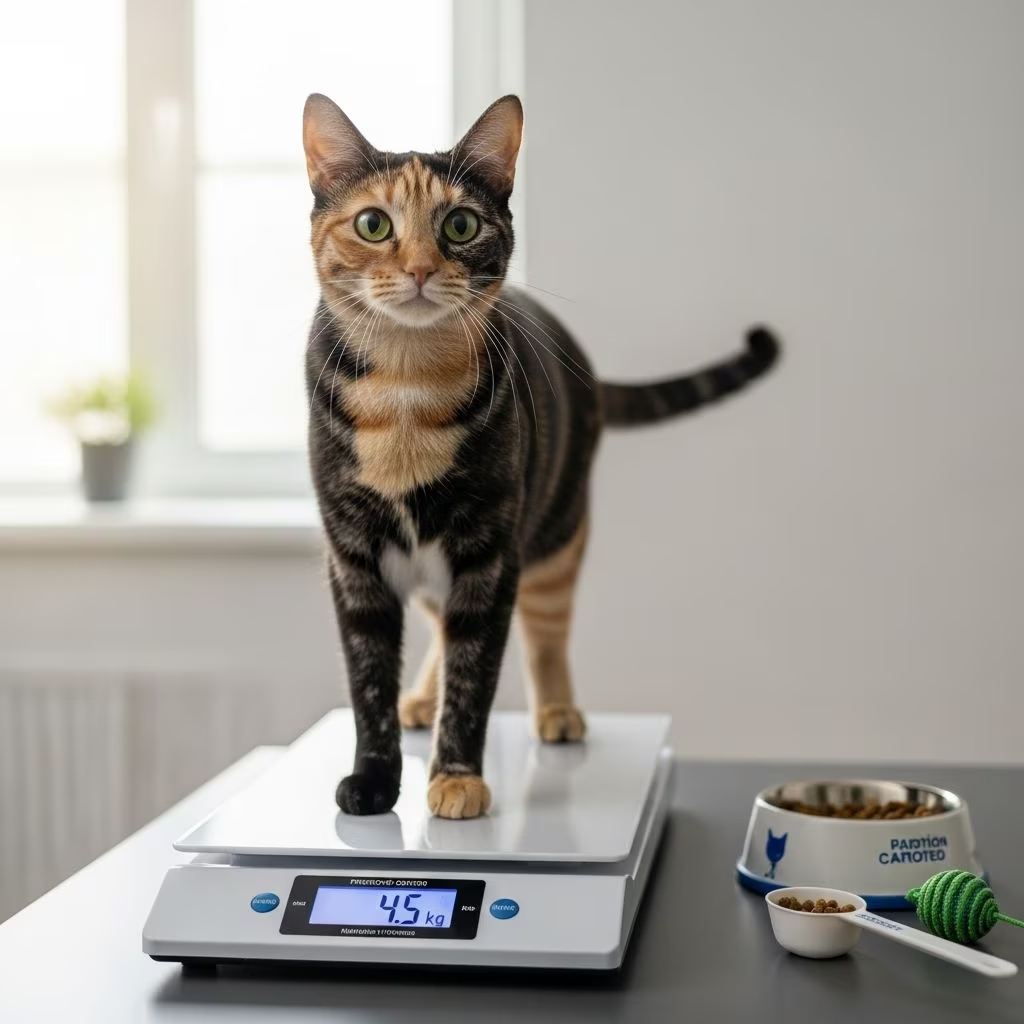
Determining the right weight for your cat is essential for their long-term health and happiness. While the average domestic cat weighs around 10 pounds, factors like breed, age, sex, and lifestyle play significant roles in what constitutes a healthy weight. Over 60% of cats in the UK and US are classified as overweight or obese, leading to serious conditions such as osteoarthritis, heart disease, and diabetes. This comprehensive guide explores ideal cat weights, assessment methods, health implications, and actionable steps to maintain or achieve optimal body condition.
Understanding Ideal Cat Weights by Breed and Factors
Not all cats are built the same. A petite Siamese might thrive at 6-8 pounds, while a robust Maine Coon could comfortably weigh 15-20 pounds or more. Veterinarians emphasize that raw scale numbers are misleading without context. Instead, focus on body composition. Males are typically 20-30% heavier than females, and neutered cats often gain weight due to metabolic changes post-surgery.
Here’s a breakdown of average healthy adult weights for common breeds:
| Breed | Female (lbs) | Male (lbs) |
|---|---|---|
| Domestic Shorthair (average mixed breed) | 8-10 | 10-12 |
| Siamese | 6-8 | 8-11 |
| Maine Coon | 10-13.5 | 13.5-18 |
| Persian | 7-8 | 9-11 |
| Ragdoll | 9-11 | 11-13 |
| Abyssinian | 6.5-7.5 | 9-10 |
Note: These are general ranges; individual cats vary. Kittens grow rapidly, doubling or tripling birth weight in weeks, matching their age in months up to 4-5 months, then slowing to reach adult size by 1-2 years.
Body Condition Scoring (BCS): The Best Way to Assess Your Cat
“Sometimes owners have difficulty recognizing that their cats are overweight,” notes Dr. Bruce Kornreich, director of the Cornell Feline Health Center. Vets use the Body Condition Scoring System (BCS), a 1-5 or 1-9 scale where 3/5 (or 4-5/9) is ideal. This visual and hands-on method trumps scales.
- BCS 1 (Underweight): Ribs, spine, and hips protrude sharply; no fat visible; severe waist and abdominal tuck. Muscle wasting common.
- BCS 2 (Thin): Ribs easily palpable with slight fat cover; waist and tuck obvious from above/side.
- BCS 3 (Ideal): Ribs palpable without excess fat; visible waist and abdominal tuck; hourglass shape from above. 16-25% body fat.
- BCS 4 (Overweight): Ribs hard to feel under fat; no waist visible; slight abdominal rounding.
- BCS 5 (Obese): Large fat deposits; no waist or tuck; pendulous belly; heavy gait. Over 25% body fat.
To check: Run hands along ribs—if you feel them easily without pressing hard, your cat is likely ideal. View from above for waist definition and from side for belly tuck. Track monthly, especially for seniors over 10, whose muscle loss can mask fat gain.
Health Risks of Cat Obesity
Obesity shortens lifespan and quality of life. Excess weight stresses joints (osteoarthritis), heart (hypertension, disease), and metabolism (type 2 diabetes). Obese cats face higher surgery risks, heat intolerance, and grooming issues leading to skin problems. A 2020 study linked owners’ attitudes to feline obesity, noting denial as a barrier. Indoor lifestyles exacerbate risks, with free-feeding dry kibble promoting overconsumption.
- Diabetes: Fat interferes with insulin; 60% of cases in obese cats.
- Heart Disease: Extra weight strains cardiovascular system.
- Joint Issues: Arthritis from load-bearing stress.
- Other: Liver disease, urinary issues, reduced immunity.
How to Help an Obese Cat Lose Weight Safely
Safe loss is 0.5-2% body weight weekly—under 7 ounces for a 20-pound cat—to avoid hepatic lipidosis (fatty liver). Consult your vet for a plan.
- Portion Control: End free-feeding; measure meals 2-3 times daily. Use feeding schedules.
- Diet Switch: Prescription low-calorie or high-protein wet food. Calories: 24-35 per pound ideal body weight daily.
- Increase Activity: Toys, laser pointers, vertical spaces. Aim for 15-30 min play daily.
- Treats Limit: <10% calories; high-protein, low-cal options.
- Monitor: Weekly weigh-ins, BCS checks. Adjust as needed.
Wet food aids loss—less calorie-dense, higher moisture for hydration and satiety. Transition gradually over 7-10 days.
Preventing Weight Gain in Healthy Cats
Proactive steps keep ideal weight:
- Spay/neuter with calorie adjustment.
- Balanced diet: 70-90% wet/high-moisture for obligate carnivores.
- Multiple small meals mimic hunting.
- Enrich environment: scratching posts, puzzles.
- Annual vet checks for early detection.
Frequently Asked Questions (FAQs)
Q: What is the average weight of a healthy cat?
A: 8-15 pounds, averaging 10-12 for mixed breeds; breed-specific ranges apply.
Q: How do I know if my cat is overweight without a BCS chart?
A: Difficulty feeling ribs, no waist from above, belly sags. Vet confirmation recommended.
Q: Can indoor cats stay at ideal weight?
A: Yes, with portioned meals, playtime, and no free-feeding.
Q: How much should I feed my cat daily?
A: 20-35 calories per pound of ideal weight; follow food guidelines and vet advice.
Q: Is wet food better for weight control?
A: Often yes—higher moisture, fewer calories per volume, promotes fullness.
Q: What if my cat won’t lose weight?
A: Vet check for thyroid issues, custom prescription diet.
Q: Do kittens outgrow obesity?
A: No—early habits set lifelong patterns; monitor growth charts.
Regular assessment and lifestyle tweaks ensure your cat thrives. Partner with your vet for personalized guidance.
References
- Is Your Cat Overweight? – Kinship — Kinship. 2023. https://www.kinship.com/cat-nutrition/how-heavy-should-my-cat-be
- How Much Wet Food to Feed Your Cat—Guidelines to Follow — Kinship. 2023. https://www.kinship.com/cat-nutrition/how-much-wet-food-feed-cat
- How Much Should You Feed Your Cat? — The Conscious Cat (Ingrid King). 2022. https://ingridking.com/?p=82101
- How to Keep Your Cat at a Healthy Weight — PrettyLitter (YouTube Transcript). 2021-02-01. https://www.youtube.com/watch?v=C-NATcHkE28
- Kitten Weight Chart: Track Your Cat’s Ideal Weight by Age — Adopt-a-Pet. 2024. https://www.adoptapet.com/blog/health/kitten-weight-chart



