

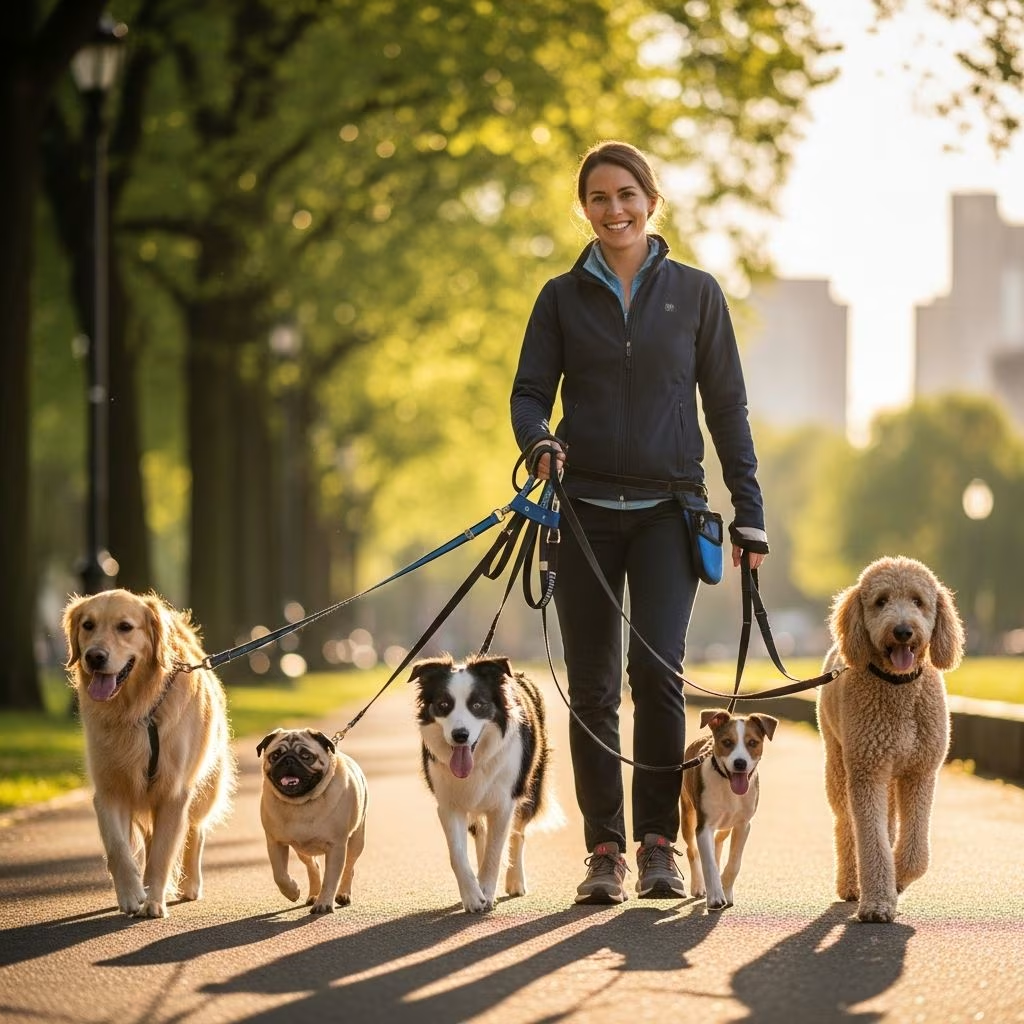
Finding a reliable dog walker ensures your furry companion gets the exercise, stimulation, and care they need while you’re away. With busy schedules, hiring a professional dog walker has become essential for many pet owners. This guide outlines key steps—from assessing your dog’s needs to verifying credentials and establishing clear communication—to help you select a walker who prioritizes safety, reliability, and your dog’s happiness.
Understand Your Dog’s Needs First
Before searching for a dog walker, evaluate your dog’s specific requirements. Consider their breed, age, energy level, and any behavioral traits. For instance, a high-energy breed like a Border Collie needs vigorous runs, while an older Dachshund may prefer gentle strolls. Note preferences such as sniffing every patch of grass, chasing squirrels, or leash reactivity. Determine walk frequency—daily, every other day, or occasional—and duration, typically 30-60 minutes. Set a budget based on local rates, which vary by location and services. Urban areas might charge $20-40 per walk, while suburban rates could differ.
Ask for Recommendations
Start your search with trusted networks. Ask friends, family, neighbors, or fellow dog owners for referrals. Consult your veterinarian, groomer, trainer, or local pet store for recommendations, as they interact with professionals daily. Use reputable online platforms or apps that vet walkers, but always cross-check reviews. Personal testimonials provide insights into reliability beyond online ratings. Aim for walkers with consistent positive feedback on punctuality, dog handling, and care.
Check Experience and Qualifications
Experience trumps everything when entrusting your dog to a stranger. Look for walkers with years handling various breeds, sizes, and personalities—from shy pups to energetic adults. Inquire about formal training, certifications in pet care, or specialized courses. Pet first aid and CPR certification is crucial for emergencies. Ask about their background: Do they have a license, bonding, and insurance to cover accidents or liability? Professional walkers carry these to protect you and your pet. Evaluate physical fitness for large or active dogs, and gentleness for seniors.
- Key Questions: How many years walking dogs? What breeds do you handle? Any certifications?
- Verify they match your dog’s needs, e.g., urban navigation for city dogs or trail experience for rural ones.
Request References and Reviews
Always demand 2-3 references from recent clients. Call them to discuss reliability, communication, and dog interactions. Check online reviews on Google, Yelp, or platforms for patterns—positive consistency and few red flags. Beware isolated complaints but note recurring issues like cancellations or poor updates. Personal recommendations from your network add credibility.
Conduct a Thorough Interview
Interview multiple candidates with targeted questions to gauge professionalism. Essential queries include:
- Are you licensed, bonded, and insured?
- What training have you completed, like pet first aid?
- What’s your cancellation policy and backup plan if sick?
- How do you handle emergencies, aggressive dogs, or escapes?
- Where do you walk, group size, and leash protocols?
- What updates will I receive—photos, notes, videos?
Listen for passion about dogs; short answers may indicate personality, but ensure clear communication. Discuss your dog’s routine, medications, feeding, and home access securely (e.g., smart alarms over codes).
Observe Safety Precautions
Safety is non-negotiable. Confirm use of secure leashes, harnesses, and waste management. For group walks, limit to 3-4 compatible dogs maximum, managed by experience. Ask for emergency plans: vet contacts, injury response, or wildlife encounters. Ensure walkers avoid high-traffic areas if your dog is reactive. Background checks via services add peace of mind.
| Safety Aspect | What to Verify |
|---|---|
| Leash/Harness | Secure, properly fitted, no retractables for control |
| Group Walks | Max 4 dogs, matched temperaments |
| Emergency | Pet first aid trained, your vet info on file |
| Location | Safe routes suited to your area (urban/trails) |
Arrange a Meet-and-Greet
Schedule an in-home meet-and-greet to assess chemistry. Watch interactions: Does your dog approach happily or cower? Observe handling during play or a trial walk. Discuss specifics—quirks, commands, treat preferences. The walker should ask questions, showing engagement. Trust your dog’s body language and your gut; incompatibility warrants moving on.
Review the Contract and Policies
Insist on a detailed written contract covering services, rates, schedule, cancellation (e.g., 24-hour notice), payment, and liability. Include proof of insurance, policies for late arrivals, and termination clauses. Note proof-of-visit methods: GPS apps, photos, time-stamped reports. Clarify extras like feeding or meds. Reliable walkers provide business cards, contracts, and policies upfront.
Prioritize Communication and Updates
Excellent communication builds trust. Expect daily updates via text, app, or notes—walk details, photos/videos, behavior notes, mileage. Test responsiveness pre-hire. Provide your contact, vet info, and instructions clearly. Ongoing: Note changes in behavior or routines. If issues arise, address promptly.
Trust Your Instincts and Monitor
Your intuition matters—if uneasy, keep searching. After hiring, monitor via home cameras, neighbor check-ins, or dog behavior changes (e.g., exhaustion, anxiety). Regular check-ins ensure ongoing fit. Switch if needed; your dog’s well-being comes first.
Frequently Asked Questions (FAQs)
How much does a dog walker cost?
Rates average $20-40 per 30-minute walk, varying by location, frequency, and extras like training. Group walks cost less per dog.
Should dog walkers be insured?
Yes, liability insurance, bonding, and workers’ comp protect against accidents or theft. Always verify proof.
What’s the ideal group walk size?
Maximum 3-4 dogs for adequate attention and safety, with compatible temperaments.
How do I know they’ve visited?
Require GPS tracking, time-stamped photos/videos, or logbooks. Apps like Wag or Rover offer this.
Can I do a trial walk?
Absolutely—join the first walk to observe handling and routes.
What if my dog is reactive?
Choose experienced walkers with private or small-group options, using positive reinforcement.
References
- Choosing the Right Dog Walker: A Guide to Finding the Perfect Fit — Continental Kennel Club. 2023-11-01. https://ckcusa.com/blog/2023/november/choosing-the-right-dog-walker-a-guide-to-finding-the-perfect-fit/
- How to Choose an Expert Dog Walker — Scout for Pets. N/A. https://www.scoutforpets.com/post/how-to-choose-an-expert-dog-walker
- 5 Questions To Ask Before Hiring A Dog Walker — GEICO Living. N/A. https://living.geico.com/home/pets/dog-walker/
- The Dog Walker’s Guide To Choosing A Dog Walker — Notes From A Dog Walker. 2014-02-28. https://notesfromadogwalker.com/2014/02/28/the-dog-walkers-guide-to-choosing-a-dog-walker/
- How to Find and Choose a Dog Walker — American Kennel Club. N/A. http://www.akc.org/expert-advice/health/finding-a-dog-walker/



