

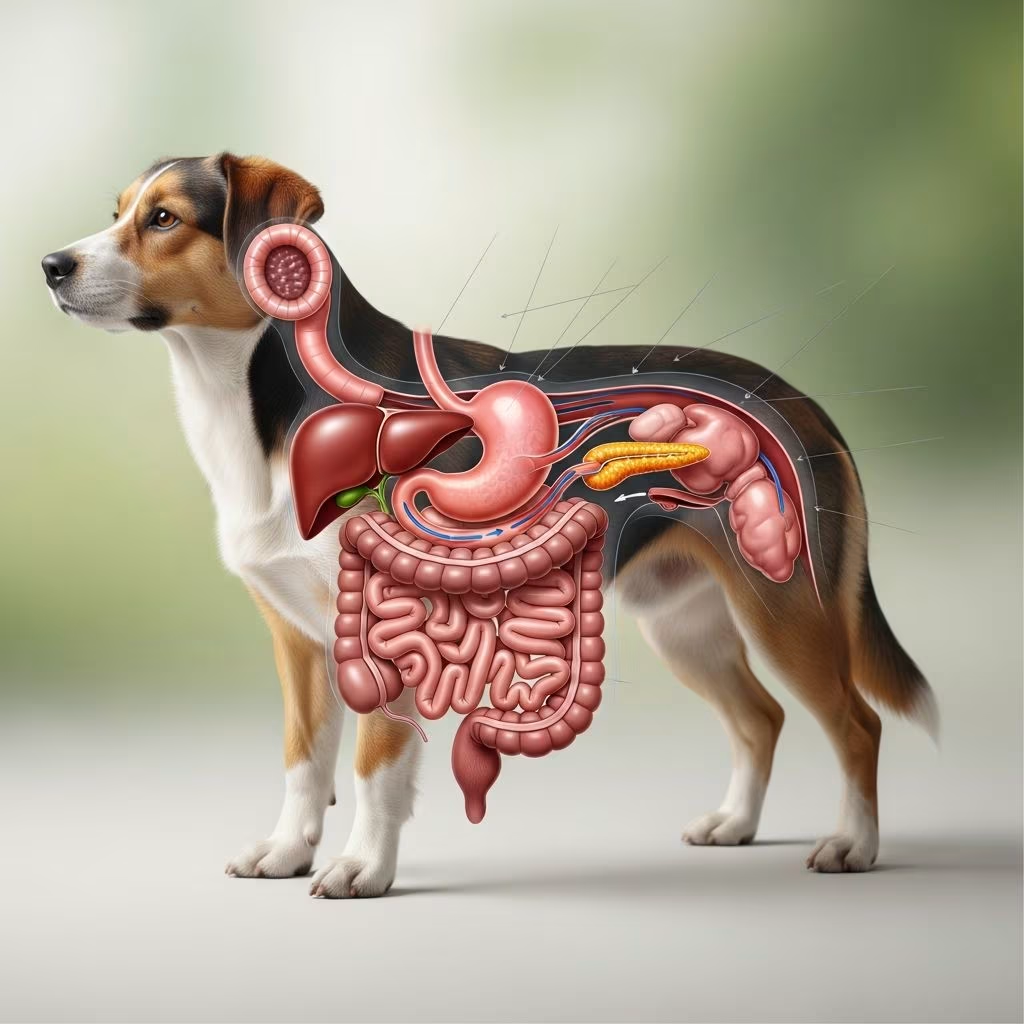
The digestive system in dogs is a highly efficient mechanism designed to extract maximum nutrition from meals, reflecting their evolutionary background as carnivores with opportunistic eating habits. This process transforms raw food into energy, building blocks for growth, and waste for elimination, involving coordinated actions across multiple organs.
The Entry Point: Mouth and Esophagus
Digestion kicks off in the mouth, where teeth mechanically tear and grind food into smaller pieces suitable for swallowing. Unlike humans, dogs possess minimal chewing action due to their sharp carnassial teeth optimized for slicing meat rather than thorough mastication.
Salivary glands produce saliva that primarily lubricates food, facilitating smooth passage down the esophagus. Canine saliva lacks significant amylase, the enzyme humans use for starch breakdown, aligning with dogs’ meat-based ancestral diet. The esophagus acts as a muscular conduit, using peristaltic waves to propel food toward the stomach in seconds, preventing regurgitation through a robust lower esophageal sphincter.
- Key mouth functions: Mechanical breakdown, lubrication, initial pathogen exposure to antimicrobial compounds in saliva.
- Esophagus role: Rapid, one-way transport via involuntary muscle contractions.
Stomach: The Acidic Powerhouse
Upon reaching the stomach, food encounters a highly acidic environment with a pH as low as 1-2, far more potent than in humans. This muscular sac expands to hold large volumes—up to 8-10% of body weight in some breeds—allowing dogs to consume meals equivalent to days’ worth of calories at once, a trait inherited from wolves.
Gastric glands secrete hydrochloric acid (HCl), pepsinogen (converted to pepsin for protein hydrolysis), and mucus for protection. HCl denatures proteins, activates pepsin, and kills bacteria, while stomach walls churn contents into chyme, a semi-liquid paste. Gastrin hormone regulates this process via feedback loops. Residence time varies: 4-8 hours for proteins and fats, shorter for carbs.
| Stomach Component | Function | pH Level |
|---|---|---|
| Hydrochloric Acid | Kills pathogens, activates enzymes | 1-2 |
| Pepsin | Breaks down proteins into peptides | Acidic optimal |
| Mucus | Protects lining from self-digestion | Neutral |
Small Intestine: Nutrient Harvesting Hub
Chyme passes through the pyloric sphincter into the duodenum, the first of three small intestine segments (duodenum, jejunum, ileum), totaling about 3-4 times body length in adults. Here, pancreatic and biliary secretions neutralize acidity and complete digestion.
The pancreas, with exocrine functions, releases bicarbonate to raise pH to 6-7, plus enzymes: amylase (carbs to sugars), lipase (fats to fatty acids/glycerol), proteases (proteins to amino acids). Its endocrine role includes insulin for glucose regulation. Liver-produced bile, stored in the gallbladder, emulsifies fats for lipase access and aids fat-soluble vitamin absorption (A, D, E, K).
Villi and microvilli massively increase surface area (200-300 m²), secreting enzymes and absorbing nutrients into blood (amino acids, sugars) or lymph (fats as chylomicrons). The ileum handles B12 and bile salt reabsorption.
Large Intestine: Water Reclamation and Final Processing
Undigested remnants enter the cecum, colon, and rectum. Lacking villi, the colon’s mucous lining absorbs water, electrolytes, and short-chain fatty acids from bacterial fiber fermentation. Gut bacteria synthesize vitamins K, B-complex, and maintain microbiome balance.
Peristalsis slows for storage (24-72 hours), regulated by content distension. Fiber modulates motility: bulking slows diarrhea transit, stimulates propulsion against constipation. Feces form from compacted waste, expelled via defecation reflex.
Accessory Organs: Unsung Heroes
Liver’s Multifaceted Role
The liver processes absorbed nutrients, detoxifies, produces bile (500-1000 ml/day), stores glycogen/vitamins, and synthesizes plasma proteins. Portal vein delivers first-pass metabolism.
Pancreas Dual Duties
Beyond digestion, endocrine islets regulate blood sugar: insulin lowers glucose, glucagon raises it. Dysfunction leads to diabetes.
Microbiome: The Gut’s Ecosystem
Trillions of microbes in the large intestine ferment indigestibles, producing SCFAs for colonocyte energy, modulating immunity, and influencing behavior via gut-brain axis. Diet shapes this community; pre/probiotics support diversity.
Common Digestive Challenges in Dogs
- Gastritis: Vomiting from irritants; fast stomach with bland diet.
- Enteritis: Diarrhea; hydration, probiotics.
- Constipation: Fiber increase, exercise.
- Pancreatitis: High-fat trigger; low-fat prescription food.
- Bloat (GDV): Large breeds; feeding management.
Optimizing Canine Digestion Through Nutrition
High-quality, species-appropriate diets enhance efficiency: moderate protein/fat for stomach/pancreas load, digestible carbs, fiber (3-5%) for motility/microbiome. Feed 2-3 meals/day to prevent overload; transitions gradual over 7-10 days.
Age matters: Puppies need frequent, nutrient-dense meals; seniors digest slower, benefit from senior formulas with joint/digestive aids.
Signs of Digestive Distress and When to Seek Help
Monitor for persistent vomiting, bloody/black stools, weight loss, lethargy. Acute issues: withhold food 12-24 hours, then reintroduce bland (boiled chicken/rice). Chronic? Vet diagnostics: fecal analysis, imaging, endoscopy.
FAQs
Why do dogs eat grass?
Often for fiber to induce vomiting or aid digestion; not always problematic unless excessive.
Can table scraps harm digestion?
Yes, fatty/spicy foods risk pancreatitis; stick to dog-safe portions.
How much fiber for my dog?
2-4% dry matter; sources like pumpkin, oats.
What’s the difference between dog and human digestion?
Dogs: shorter tract, acidic stomach, less carb emphasis; faster transit.
Do probiotics help all dogs?
Beneficial post-antibiotics/diarrhea; choose strains like Enterococcus faecium.
References
- The Canine Digestion Process — Whole Dog Journal. 2023. https://www.whole-dog-journal.com/health/digestion/the-canine-digestion-process/
- The Digestive System in Animals — Merck Veterinary Manual. 2024-11-01. https://www.merckvetmanual.com/digestive-system/digestive-system-introduction/the-digestive-system-in-animals
- Digestive system of the dog — WSU Veterinary Teaching Hospital. 2022-03-10. https://hospital.vetmed.wsu.edu/2022/03/10/digestive-system-of-the-dog/
- Your Dog’s Digestive System Explained — PetCircle. 2024. https://www.petcircle.com.au/discover/dog-digestive-system-explained
- Understanding pet digestion — IVC Journal. 2023. https://ivcjournal.com/understanding-pet-digestion/



