

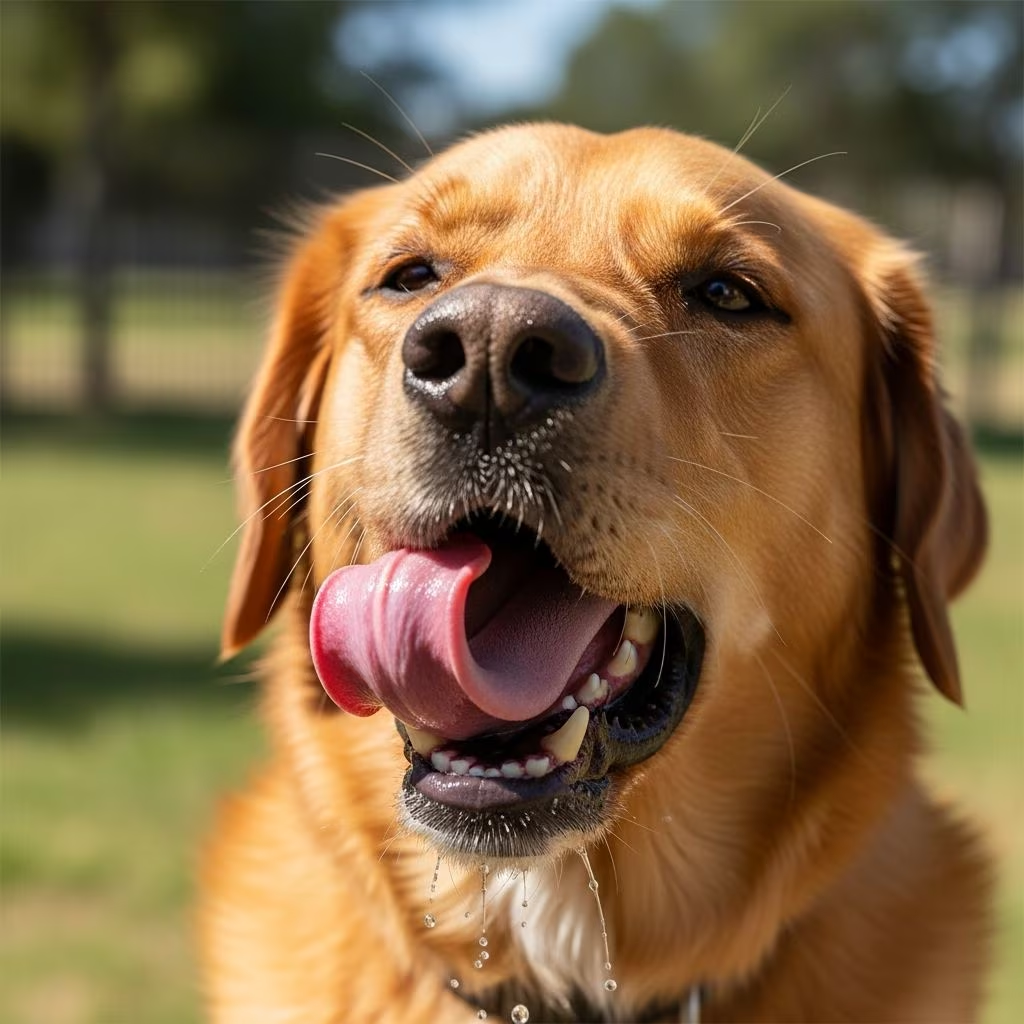
Dogs maintain body temperature through specialized mechanisms distinct from human sweating. Their primary cooling relies on panting, with limited sweat production from paw pads aiding minor heat loss.
The Physiology of Canine Thermoregulation
Canine bodies generate heat during activity or in warm environments, necessitating efficient dissipation to avoid hyperthermia. Unlike humans, who rely on widespread eccrine sweat glands, dogs prioritize rapid breathing to evaporate moisture from respiratory surfaces.
Sweat glands in dogs fall into two categories: merocrine glands concentrated in hairless paw pads and apocrine glands distributed body-wide. Merocrine glands secrete a watery fluid that evaporates from paw surfaces, providing limited cooling, while apocrine glands produce oily secretions primarily for chemical signaling rather than temperature control.
Primary Cooling Methods in Dogs
Dogs employ multiple strategies to regulate heat, ensuring survival in diverse climates.
- Panting: The dominant mechanism involves quick, shallow breaths that evaporate water from the tongue, mouth, and lungs, mimicking evaporative cooling on a larger scale than paw sweating.
- Vasodilation: Blood vessels in the ears, face, and muzzle expand, directing warm blood near the skin for convective heat loss.
- Behavioral Adaptations: Seeking shade, digging cool soil dens, or spreading out reduces contact heat.
| Cooling Method | Location/Mechanism | Effectiveness |
|---|---|---|
| Panting | Respiratory tract | High – Cools large surface area |
| Sweating | Paw pads, nose | Low – Minor contribution |
| Vasodilation | Ears, face | Moderate – Enhances radiation |
Where and How Dogs Sweat
Dogs possess sweat glands primarily in paw pads, where sparse fur allows evaporation. On hot days, owners may observe damp footprints on floors or tiles as merocrine glands activate.
The nose also contains minor sweat glands, though their role leans toward maintaining moisture for scent detection rather than substantial cooling. Apocrine glands, ubiquitous under fur, release pheromones undetectable to humans but crucial for canine social cues.
Human sweat odor arises from bacterial breakdown, absent in dogs due to different gland composition and minimal surface exposure.
Limitations of Sweating in Canine Cooling
Fur traps potential sweat from body glands, preventing evaporation and rendering widespread sweating inefficient. Evolution favored panting for dogs’ furry physiology.
Research confirms paw sweating contributes minimally to overall thermoregulation. A study on beagles induced excessive paw sweating, yet it failed to significantly lower core temperature, underscoring panting’s primacy.
Signs Your Dog Is Overheating
Recognize heat stress early to intervene effectively.
- Excessive, labored panting with tongue fully extended
- Bright red gums and ears from vasodilation
- Weakness, staggering, or collapse
- Drooling profusely beyond normal
- Body temperature above 103°F (rectal measurement)
Heatstroke occurs above 106°F, risking organ failure. Act by moving to shade, offering cool water, and applying wet towels to paws and groin.
Breed Variations in Heat Tolerance
Body structure influences cooling efficiency. Brachycephalic breeds like Bulldogs and Pugs struggle with narrowed airways, impairing panting.
Thick-coated Northern breeds (e.g., Huskies) retain heat better in cold but risk overheating in warmth. Hairless breeds like Xoloitzcuintli have more exposed skin but still pant primarily.
| Breed Type | Challenges | Adaptations |
|---|---|---|
| Short-nosed | Restricted airflow | Monitor closely in heat |
| Double-coated | Insulation overload | Shave cautiously |
| Small/Large | Surface-to-volume ratio | Smaller dogs cool faster |
Practical Tips to Help Dogs Beat the Heat
Proactive care prevents heat-related issues.
- Schedule walks for cooler morning/evening hours.
- Provide constant fresh water access; add ice cubes.
- Use cooling mats or vests for high-risk pets.
- Avoid hot cars, asphalt (burns paws), and strenuous exercise above 80°F.
- Groom regularly to remove undercoat without full shaving.
For paw sweating observation, clean pads post-walks to prevent slips on slick surfaces; moist paws enhance grip.
Health Conditions Affecting Cooling
Obesity impairs heat loss by insulating fat layers. Heart or lung diseases hinder panting efficiency. Consult veterinarians for tailored advice, especially in humid climates where evaporation slows.
Myths About Dog Sweating Debunked
- Myth: Dogs don’t sweat at all. Fact: They do, but minimally via paws.
- Myth: Shaving fur cools dogs. Fact: Fur protects from sunburn; undercoat wicks heat.
- Myth: Wet towels alone suffice. Fact: Combine with airflow and hydration.
FAQs
Do dogs sweat like humans?
No, dogs sweat minimally from paw pads; panting is their main cooling method.
Why do dog paws smell like corn chips?
Bacterial action on paw sweat produces the scent, normal unless excessive.
Can dogs get heatstroke from walking on hot pavement?
Yes, paw pads burn above 120°F; test with your hand for 5 seconds.
How do I cool an overheated dog quickly?
Shade, cool (not ice) water, wet paws/groin, fan air; vet if symptoms persist.
Do all dogs have the same sweat glands?
Yes, merocrine in paws and apocrine body-wide, varying slightly by breed.
Scientific Insights into Canine Sweat Glands
Merocrine glands resemble human eccrine types, coiling to release sweat directly onto paw surfaces. Veterinary texts note their development in fine-haired breeds, though function remains auxiliary.
Apocrine glands lubricate skin and emit pheromones, activating during stress or heat without cooling intent. Studies speculate paw moisture aids traction, explaining wet prints during exertion.
In hot environments, combined mechanisms maintain canine core temperature around 100-102.5°F. Failure leads to rapid escalation, emphasizing owner vigilance.
Understanding these processes empowers better pet stewardship, reducing heat illness incidence. Seasonal adjustments ensure comfort year-round.
References
- Why don’t dogs sweat? — West Texas A&M University. 2013-10-09. https://www.wtamu.edu/~cbaird/sq/2013/10/09/why-dont-dogs-sweat/
- Do Dogs Sweat? — PetMD. N/A. https://www.petmd.com/dog/general-health/do-dogs-sweat
- Do Dogs Sweat? How Dogs Stay Cool and Prevent Overheating — Basepaws. N/A. https://basepaws.com/blog/do-dogs-sweat
- Do Dogs Sweat? — American Kennel Club. N/A. https://www.akc.org/expert-advice/health/do-dogs-sweat/
- Do Dogs Sweat? How Your Pet Stays Cool — Carey Animal Hospital. N/A. https://careyanimalhospital.com/blog/do-dogs-sweat/
- Do Dogs Sweat? — Live Science. N/A. https://www.livescience.com/55553-do-dogs-sweat.html



