

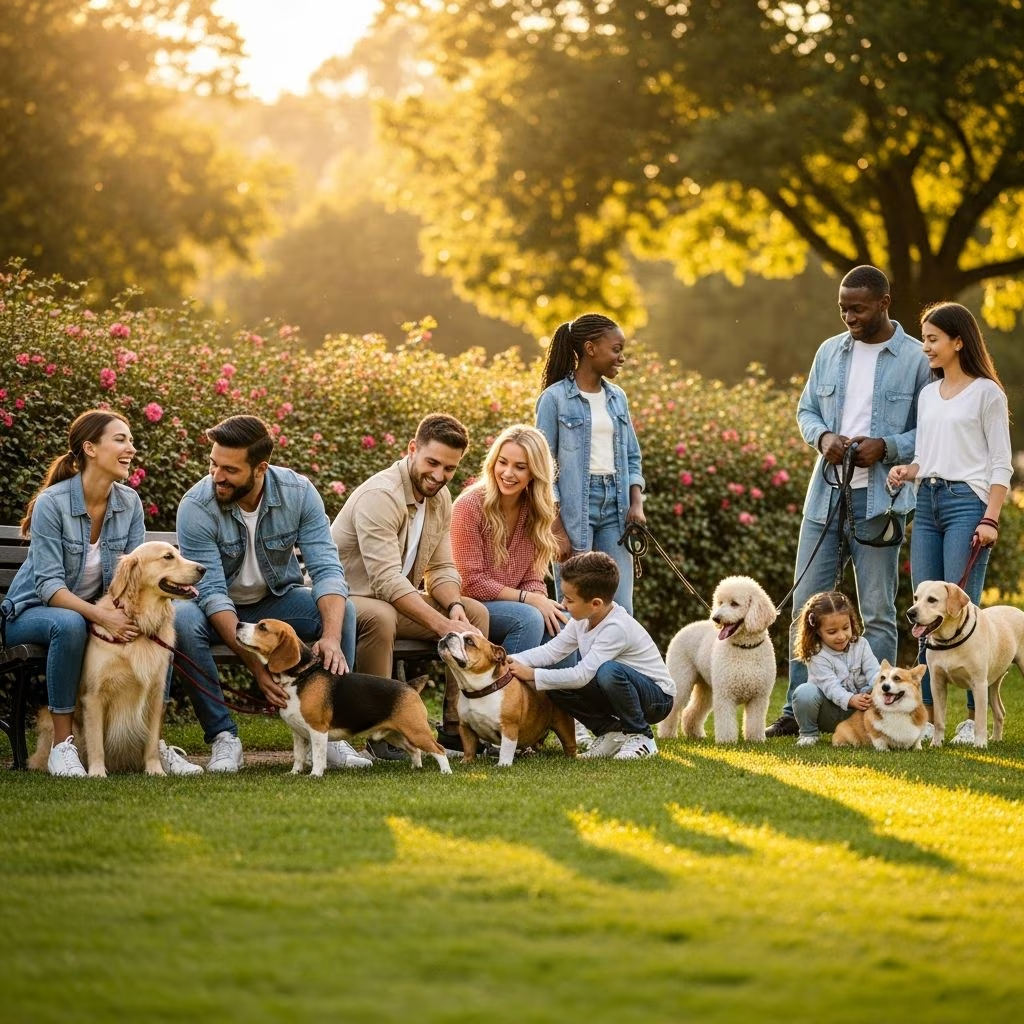
How Dogs Affect Your Social Life
Dogs have been our faithful companions for centuries, but their role extends far beyond providing unconditional love and loyalty. In today’s increasingly isolated world, dogs serve as powerful social catalysts that can dramatically transform your social life. Whether you’re a shy individual looking to build confidence or someone seeking deeper community connections, dog ownership offers unexpected opportunities to enhance your relationships and strengthen your place within your community.
The impact of dog ownership on social interactions is supported by scientific research and real-world experiences alike. Studies consistently show that dog owners report higher levels of social engagement, stronger community bonds, and improved overall quality of life compared to non-dog owners. Understanding how dogs influence our social sphere can help you recognize the profound benefits of pet ownership and how these four-legged friends serve as bridges between people.
Increased Opportunities for Socializing
One of the most immediate and tangible benefits of dog ownership is the dramatic increase in social opportunities. When you take your dog for a walk through your neighborhood, you’re not just exercising your pet—you’re creating natural opportunities to meet and interact with other people. Dog owners frequently encounter neighbors and fellow dog enthusiasts during these daily outings, and these casual encounters often form the foundation for meaningful friendships.
Walking your dog transforms what might otherwise be a solitary activity into a social experience. Passersby often offer compliments about your dog’s appearance, breed, or behavior, which opens the door to friendly conversations. These interactions provide natural conversation starters, which can be particularly valuable for introverted or shy individuals who might struggle to initiate social contact. What begins as a simple comment about your dog’s breed can evolve into exchanged phone numbers and regular meetups.
Beyond neighborhood walks, dogs create social opportunities in various community settings. Dog parks have become modern social hubs where pet owners naturally congregate. These spaces provide ideal environments for dog owners to share tips, discuss training techniques, and exchange stories about their pets. The shared interest in dogs creates an immediate common ground, making it easier to form connections with people you might not otherwise meet. Regular visits to dog parks introduce you to consistent community members, helping you develop a network of familiar faces and potential friends.
Dogs as Conversation Starters
Dogs possess a unique ability to break through social barriers and initiate conversations in settings where people might otherwise remain strangers. Whether you’re at a coffee shop, waiting in a veterinary clinic, or standing in line at a pet supply store, someone is inevitably likely to comment on your dog. These remarks provide instant, ready-made topics for discussion that require no awkward small talk or forced conversation.
For individuals who struggle with social anxiety or are naturally introverted, dogs can be invaluable social tools. Rather than bearing the entire responsibility of initiating conversation or maintaining social momentum, your dog does much of the work for you. The pet becomes a natural focal point that allows people to approach you more easily and creates a comfortable framework for interaction. This can be especially beneficial when you’re new to an area or community, as your dog can help establish you as an approachable, friendly presence.
The confidence boost that comes from these positive interactions should not be underestimated. When people compliment your dog or express genuine interest in your pet, it creates a positive feedback loop that enhances your self-esteem and sense of social connection. Feeling admired and valued encourages you to engage more openly with others, gradually building a supportive social network around you.
Building Community Connections
Dog ownership naturally positions you at the center of community life. Social interactions that begin with your dog can foster a genuine sense of belonging within your neighborhood. You become a familiar face at the dog park, on popular walking routes, and at community events that welcome pets. This visibility and familiarity create a foundation for stronger community integration.
Many communities organize pet-related events, festivals, and gatherings that serve as excellent venues for socializing. From dog-friendly outdoor concerts to breed-specific meetups and pet adoption drives, these events attract people who share your passion for dogs. Participating in these activities not only allows you to connect with other dog owners but also contributes to your sense of purpose and belonging within the larger community.
Additionally, dog ownership often leads to involvement in local volunteer opportunities. Animal shelters, pet rescue organizations, and dog training programs frequently need volunteers. Engaging in these volunteer activities connects you with like-minded individuals who care about animal welfare and community service. This shared commitment to helping animals and strengthening your community creates deeper, more meaningful connections than casual acquaintances might provide.
Improved Mental Health and Emotional Support
The mental health benefits of dog ownership directly contribute to improved social functioning. Dogs provide unconditional love and companionship that can significantly reduce stress, anxiety, and depression. Research shows that interacting with dogs increases oxytocin and dopamine levels in the brain, neurochemicals associated with bonding, happiness, and stress reduction. When you feel emotionally balanced and mentally healthy, you naturally become more engaged and present in social situations.
A healthier mental state translates to greater confidence and openness in social interactions. Depression and anxiety often lead to social withdrawal and isolation, creating a vicious cycle of loneliness and emotional distress. Dogs interrupt this cycle by providing consistent companionship and emotional support. The act of caring for a dog creates a special bond that many people describe as transformative for their mental health.
For some individuals, dogs serve as emotional support animals, providing both emotional and psychological support during particularly challenging times. This specialized support can be crucial for people struggling with mental health conditions. The presence of a supportive dog can give you the emotional strength and stability needed to engage more fully in social relationships and community life.
Physical Activity and Social Engagement
Dogs require regular exercise, which naturally increases your own physical activity levels. Daily walks, trips to the dog park, and outdoor play sessions keep you active and mobile. This increased physical activity provides multiple social benefits beyond the obvious health advantages. More time spent outdoors in community spaces increases the likelihood of casual encounters and social interactions.
Physical activity itself contributes to improved mood and self-confidence, which makes you more approachable and socially engaged. When you feel good about your physical health and energy levels, you’re more likely to participate in social activities and community events. The routine established by your dog’s exercise needs also creates structure and purpose to your day, which supports overall well-being and social engagement.
Dating and Relationship Benefits
Surprisingly, dog ownership can also positively impact your romantic prospects. Research indicates that dog owners report higher success in dating, with significant percentages attributing successful romantic connections to their pets. Dogs can function as relationship attractors in multiple ways. When you include your dog in your online dating profile, you’re more likely to receive attention from compatible matches—people who share your values regarding pet care and animal companionship.
Dogs signal important qualities to potential romantic partners: responsibility, nurturing capacity, and reliability. When people see that you’ve successfully cared for and trained a dog, they may reasonably infer that you possess the maturity and commitment necessary for a healthy human relationship. Additionally, dog parks and dog-related social events provide natural meeting places where you can encounter people who share your interests in a low-pressure, activity-based setting.
Establishing Routine and Purpose
Owning a dog establishes a structured daily routine that provides purpose and direction. Feeding, grooming, training, and exercising your dog create responsibilities that structure your day and promote better time management. This sense of purpose and responsibility significantly boosts motivation and self-esteem. When you feel that your daily activities matter—that you’re caring for a dependent creature that relies on you—you develop greater confidence and self-worth.
This enhanced sense of purpose extends to your social engagement. People who feel that their lives have meaning and direction tend to be more socially active and engaged. The routine established by dog ownership often synchronizes with community rhythms, creating natural touchpoints for social interaction. Your dog’s exercise schedule might coincide with peak activity times at the dog park, ensuring regular exposure to your community.
Overcoming Social Isolation and Loneliness
In an era where loneliness and social isolation have reached unprecedented levels among adults, dogs provide a powerful antidote. Dog ownership has been directly linked to lower perceptions of social isolation and better mental health outcomes. The regular interactions facilitated by dog ownership—whether with other pet owners, veterinary staff, or community members—create consistent social contact that combats the isolation many people experience.
For older adults particularly, dogs provide essential companionship and motivation to engage with the outside world. The need to walk and exercise a dog gets seniors out of their homes and into community spaces where they encounter other people. These interactions reduce loneliness, maintain cognitive function, and contribute to overall quality of life and longevity.
Navigating Challenges While Maintaining Social Benefits
While dog ownership offers tremendous social benefits, it’s important to acknowledge that pet ownership also presents challenges. Some dog owners report that their pets sometimes complicate their social lives, requiring them to decline invitations or leave events early to tend to their dogs’ needs. However, research suggests that despite these occasional inconveniences, dog owners still report higher overall satisfaction with their social lives compared to non-dog owners.
The key to maximizing the social benefits of dog ownership while managing challenges lies in thoughtful planning and adaptation. Finding dog-friendly venues and socializing with other dog owners who understand the responsibilities of pet ownership helps you maintain active social engagement while respecting your dog’s needs. As dog-friendly culture expands, more social opportunities become available that accommodate pet owners and their companions.
Key Benefits of Dog Ownership for Your Social Life
- Natural conversation starters: Dogs break social barriers and make it easier to initiate and maintain conversations with strangers
- Increased community presence: Regular walks and dog park visits make you a familiar, approachable member of your community
- Improved confidence: Positive feedback and compliments from others boost self-esteem and social confidence
- Better mental health: Reduced stress and anxiety make you more emotionally available for social relationships
- Enhanced physical activity: Regular outdoor exercise increases visibility in community spaces and provides social opportunities
- Shared interests: Dog ownership creates immediate common ground with other pet owners, facilitating meaningful connections
- Volunteer opportunities: Community pet-related activities connect you with like-minded individuals and provide purpose-driven social engagement
- Romantic prospects: Dogs attract compatible partners who share values regarding responsibility and commitment
Frequently Asked Questions
Q: Can introverted people benefit from dog ownership for their social life?
A: Yes, dogs are particularly beneficial for introverted individuals. Dogs serve as natural conversation starters and social bridges, allowing introverts to engage in social interactions without the pressure of initiating contact. The dog’s presence provides a comfortable framework for socializing.
Q: How does dog ownership improve mental health?
A: Dog ownership reduces stress and anxiety by increasing oxytocin and dopamine levels in the brain. Dogs provide unconditional companionship and emotional support, which helps combat depression and improves overall emotional well-being, making you more socially engaged.
Q: What should I do if my dog isn’t well-socialized?
A: Work with a professional dog trainer to gradually expose your dog to different people and environments in a positive way. Proper socialization ensures your dog is comfortable around others, which allows you to fully enjoy social activities and dog park visits.
Q: Can dogs really help with dating?
A: Research shows that including your dog in your online dating profile significantly increases matches, and many dog owners report that their pets have helped them meet romantic partners. Dogs signal responsibility and nurturing qualities that attract compatible matches.
Q: How much time should I spend socializing my dog?
A: Regular, consistent exposure to different people and environments is ideal. Aim for visits to dog parks, neighborhood walks, and community events at least several times per week to ensure both you and your dog benefit from social engagement.
Conclusion
Dog ownership represents a transformative opportunity to enhance your social life, strengthen community connections, and improve your overall quality of life. From providing natural conversation starters to creating structured routines that encourage community engagement, dogs serve as catalysts for meaningful human interaction. The mental and physical health benefits of dog ownership further amplify your capacity for social engagement, creating a positive cycle of improved well-being and stronger relationships.
Whether you’re seeking to overcome social isolation, build confidence in social situations, or develop deeper community connections, a dog can be an invaluable companion. While dog ownership does require commitment and sometimes necessitates adapting your lifestyle, the social, emotional, and physical benefits far outweigh these considerations for most people. Embracing dog ownership can truly transform not just your daily life, but your entire social sphere, connecting you to a community of fellow pet lovers and opening doors to friendships and experiences you might never have otherwise encountered.
References
- 6 Powerful Ways Owning a Dog Can Make You More Social and Happier — OLK9 Iowa. 2024. https://olk9iowa.com/owning-a-dog-can-make-you-more-social/
- How Impactful Is Dog Ownership on a Person’s Quality of Life? — Barkbus. 2024. https://www.barkbus.com/blog/dogs-impact-on-your-life
- Dogs promote social connection — Mayo Clinic Health System. 2024. https://www.mayoclinichealthsystem.org/hometown-health/speaking-of-health/dogs-are-good-for-your-health
- Health benefits of pets: How your furry friend improves your mental and physical health — UC Davis Health. 2024. https://health.ucdavis.edu/blog/cultivating-health/health-benefits-of-pets-how-your-furry-friend-improves-your-mental-and-physical-health/2024/04
- The Power of Pets — National Institutes of Health News in Health. 2018. https://newsinhealth.nih.gov/2018/02/power-pets



