

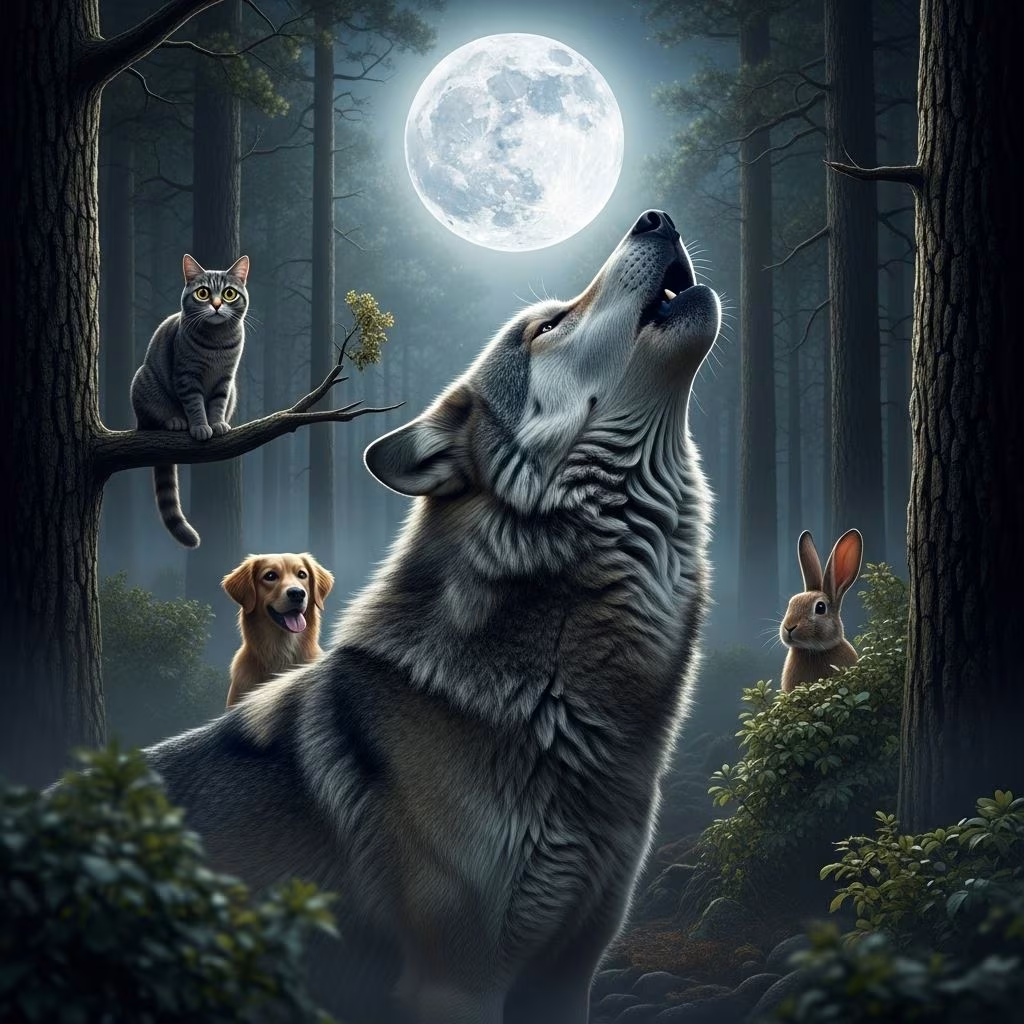
The full moon has long been associated with heightened activity in wildlife and folklore tales of werewolves, but what about our beloved pets? Many pet owners report noticeable changes in their dogs’ and cats’ behavior during full moon nights, from excessive howling and hyperactivity to increased restlessness and even emergency vet visits. While scientific consensus remains mixed, veterinary studies and anecdotal evidence suggest the moon’s brightness and gravitational pull may influence pet behavior and health risks.
This article dives into the evidence, examining how full moons affect dogs, cats, and other pets. We’ll cover key studies, common behavioral shifts, potential health implications, and practical tips to keep your furry friends safe during lunar peaks. Drawing from university research and expert observations, we separate myth from measurable effects to help you understand and manage these celestial influences.
Does the Full Moon Affect Animals?
Yes, the full moon influences animal behavior primarily through increased nocturnal light, which extends activity periods and alters routines. Animals, including pets descended from wild ancestors like wolves and big cats, respond to this brighter environment with heightened energy. A study from Colorado State University analyzed nearly 12,000 veterinary cases over 10 years, finding emergency risks 28% higher for dogs and 23% for cats during full moon phases.
Wildlife shows clear patterns: oysters close shells tighter near full moons, coral reefs spawn massively, and sharks shift depths based on lunar light. Domesticated pets exhibit similar responses, though less extreme. The extra illumination encourages outdoor play, hunting, and exploration, leading to more injuries and stress. Scientists attribute this not just to light but possibly to disrupted circadian rhythms or subtle electromagnetic changes from the moon’s position.
However, not all effects are negative. Some pets simply enjoy the extended evenings, becoming more playful. Pet professionals at daycares note dogs turning into ‘extreme versions’ of themselves—calm ones hyper, active ones lethargic—during full moons. This variability underscores why tracking your pet’s reactions is crucial.
How Does the Full Moon Affect Dogs?
Dogs, with their wolf heritage, often display the most dramatic full moon behaviors. Owners frequently report hyperactivity, howling (even in sleep), irritability, and destructive tendencies. One dog daycare marks full moons on calendars due to unpredictable shifts: friendly dogs snap, hyper ones escalate, and unlikely pairs suddenly play.
- Hyperactivity and Restlessness: Dogs pace, bark excessively, or run wildly, fueled by extra light enabling nighttime zoomies.
- Howling and Vocalization: Instinctual wolf-like howling at the moon, sometimes during sleep, leaving pets exhausted next day.
- Aggression or Irritability: Snappiness toward family, other dogs, or stimuli they usually ignore, like in pit bulls or terriers.
- Unusual Eating/Sleeping: Some refuse food, eat odd items (DVDs, underwear), or sleep less.
- Seizure Risks: Epileptic dogs may experience intensified or frequent seizures, prompting preemptive medication increases.
A 10-year Colorado State study confirmed 28% more dog emergencies during full moons, including trauma from increased outdoor activity, not aggression. Explanations include brighter nights prompting more play, leading to accidents, or pets staying out longer chasing prey.
How Does the Full Moon Affect Cats?
Cats, crepuscular by nature (active at dawn/dusk), amplify this during full moons as light extends their prime hours. They become more playful, vocal, and prone to wandering, raising accident risks. Veterinary data shows 23% higher emergency visits for cats in peak lunar phases.
- Increased Activity: Darting, window-staring, meowing at shadows; extended wakefulness disrupts home peace.
- Outdoor Escapades: More likely to slip out, encountering traffic, predators, or fights with territorial cats.
- Hiding or Agitation: Some retreat under furniture, others yowl restlessly.
- Hunting Surge: Brighter nights boost prey visibility, but heighten injury odds from falls or scuffles.
Unlike dogs, cat effects tie less to pack instincts and more to solitary hunting. No spike in trauma cases directly, but nocturnal outings correlate with risks. Owners note cats seeming ‘disoriented’ or chaotic.
Do Full Moons Increase Pet Emergencies?
Empirical data supports a link. Dr. Raegan Wells’ analysis at Colorado State University’s Veterinary Medical Center revealed statistically significant rises: 28% for dogs, 23% for cats during the three fullest moon stages (waxing gibbous, full, waning gibbous). Emergencies spanned cardiac issues, seizures, and trauma, peaking around lunar illumination.
Why? Increased light promotes night activities, boosting injury likelihood from play, hunts, or traffic. Vets report busier shifts, though not from aggression—data shows no bite increases. Correlation doesn’t prove causation; brighter moons may simply mean more owner-pet outings.
| Pet Type | Emergency Increase | Common Causes |
|---|---|---|
| Dogs | 28% | Trauma from play/outdoor activity |
| Cats | 23% | Nocturnal hunting injuries |
This table summarizes key stats from the Colorado study, highlighting risks without panic.
Full Moon Effects on Other Pets
Birds grow agitated and disoriented, wolves howl instinctively, and ferrets display ‘heightened craziness’ per owner tracking. Small mammals like rabbits may thump more restlessly. Aquariums see fish schooling changes due to tidal mimicry indoors. While dogs and cats dominate reports, multi-pet homes note household-wide chaos. Ocean ties persist: pet fish or reef tanks sync spawning-like behaviors.
Tips for Managing Full Moon Pet Behavior
Preparation minimizes risks. Monitor phases via apps, adjust routines proactively.
- Secure the Environment: Extra locks on doors/gates; indoor-only for wanderers.
- Extra Exercise: Daytime hikes tire dogs/cats before night peaks.
- Calming Aids: Pheromone diffusers, anxiety wraps, or vet-approved supplements.
- Mental Stimulation: Puzzle toys distract from lunar energy.
- Track Patterns: Journal behaviors to predict and medicate (e.g., epilepsy).
- Daycare Prep: Inform sitters; avoid new intros during full moons.
For seizures, dose meds 2-3 days pre/post full moon. Hydration and quiet retreats soothe most cases.
Frequently Asked Questions (FAQs)
Do full moons make dogs hyperactive?
Yes, many dogs exhibit zoomies, barking, and destruction due to extra light extending playtime.
Why do cats yowl during full moons?
Increased crepuscular activity from lunar glow prompts vocalization and exploration.
Are pet vet visits higher on full moons?
Studies confirm 23-28% rises in emergencies for cats/dogs.
Can full moons trigger dog seizures?
Anecdotes and some epilepsy cases suggest yes; preempt with meds.
How to calm pets during full moons?
Use exercise, toys, secure spaces, and routine adjustments.
Do all pets react to full moons?
No, but many do; track individually as responses vary by breed/age.
References
- Howling at the Moon: How the Full Moon Affects the Behavior of Animals — Austin Price, RU Highlander. 2024-05-02. https://ruhighlander.org/home/2024/5/2/howling-at-the-moon-how-the-full-moon-affects-the-behavior-of-animals
- Did you know full moons can affect a dog’s behaviour? — My Dog Philosophy. 2014-05-15. https://mydogphilosophy.com/2014/05/15/did-you-know-full-moons-can-affect-a-dogs-behaviour/
- Full Moon Effects on Pets — Animal Behavior College. N/A. https://www.animalbehaviorcollege.com/blog/lifestyle/full-moon-effects-on-pets/
- The Moon Cycle — Cooka’s Cookies. N/A. https://www.cookascookies.com/cookas-blog/the-moon-cycle/
- Bad Moon Rising? Lunar Cycle May be Linked to More Veterinary Visits — Colorado State University News. 2007-07-16. https://newsmediarelations.colostate.edu/2007/07/16/bad-moon-rising-lunar-cycle-may-be-linked-to-more-veterinary-visits-according-to-colorado-state-university-study/
- Strange but true: the full moon affects your cat! — Catit. 2025-09-15. https://www.catit.com/spotlight/the-full-moon-affects-your-cat/



