

Your dog’s poop is a vital health indicator, revealing insights into digestion, diet, hydration, and potential medical issues. Monitoring stool provides early warnings for problems like infections, parasites, or dietary imbalances, allowing timely intervention.
What Does Normal Dog Poop Look Like?
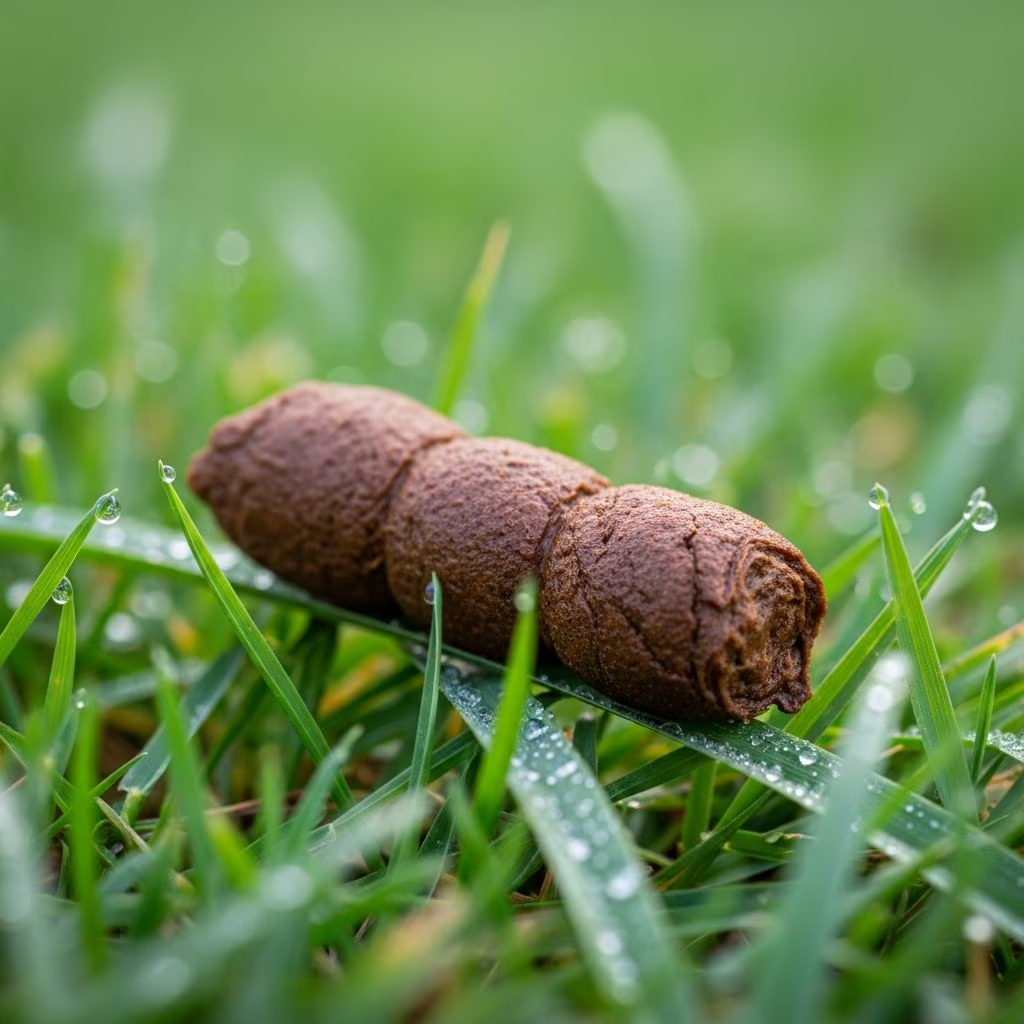
Healthy dog stool has distinct characteristics signaling proper digestive function. It should be **firm, log-shaped, and chocolate brown**, maintaining form when picked up with minimal residue left behind.
- Color: Light to medium chocolate brown from bile breakdown during digestion. Minor diet-related variations are normal, but substantial changes warrant attention.
- Shape and Consistency: Segmented log like Play-Doh—firm yet moist, not rock-hard or runny. It holds shape without sticking excessively.
- Size and Frequency: Moderate portions, 1-3 times daily for adults; puppies more often. No straining or excessive volume.
- Odor and Coating: Mild smell, no strong foulness, mucus, blood, or shine. Free of worms or undigested bits.
Deviations from these norms can indicate issues from simple diet tweaks to serious conditions like gastrointestinal bleeding or parasites.
Dog Poop Color Chart: What Different Colors Mean
Stool color reflects diet, bile pigments, and health status. Use this chart to interpret variations.
| Color | Appearance | Possible Causes |
|---|---|---|
| Brown | Chocolate, uniform | Normal; healthy digestion. |
| Green | Bright or dark green | Grass eating, infections, toxins, food dyes, gallbladder issues. |
| Yellow/Orange | Pale yellow to orange | Liver/pancreas problems, food intolerance, bile issues. |
| Black/Tarry | Sticky, shiny black | Upper GI bleeding (e.g., ulcers). |
| Red | Bright red streaks/blood | Lower GI bleeding, colitis, anal injury, masses. |
| Gray/White | Pale gray, chalky | Biliary/pancreas issues, excess calcium (raw diets), fat malabsorption. |
| White Specks | Rice-like in brown stool | Tapeworms, undigested food, parasites. |
Consistent abnormal colors, especially with symptoms like lethargy, require veterinary evaluation.
Dog Poop Consistency Chart: From Perfect to Problematic
Consistency gauges water absorption in the intestines. Ideal is type 3-4 on the Bristol scale analog for dogs: formed sausage-like.
| Type | Description | Implications |
|---|---|---|
| Ideal (Firm Log) | Compact, holds shape, minimal residue | Healthy gut function. |
| Soft (Cow Pie) | Soft serve, piles but formed | Diet change, allergies, infections. |
| Runny (Diarrhea) | Liquid, splatters | Infections, stress, IBD, toxins. |
| Hard (Pebble) | Dry, ball-like | Dehydration, low fiber. |
| Greasy/Shiny | Oily sheen | Pancreas issues, fat malabsorption. |
Persistent soft or liquid stool beyond 48 hours, or with blood/vomiting, signals vet visit.
Common Causes of Abnormal Dog Poop
Abnormalities stem from diet, environment, or disease. Key triggers include:
- Dietary Changes: Sudden food switches cause soft stools; transition gradually over 7-10 days.
- Overfeeding/Fillers: Excess food or poor-quality kibble leads to loose poop.
- Infections/Parasites: Bacteria, viruses, worms visible as specks or causing diarrhea.
- Stress: Travel or new homes triggers colitis with mucus/blood.
- Toxins/Foreign Objects: Ingestion causes color changes or runny stool.
- Chronic Issues: IBD, liver/pancreas disease for ongoing problems.
When to Worry: Red Flags in Dog Poop
Not all changes need immediate action, but these demand prompt vet care:
- Blood (red streaks or tarry black).
- White specks or worms.
- Persistent diarrhea >48 hours.
- Accompanied by vomiting, lethargy, appetite loss, straining.
- Sudden color shifts like yellow/gray.
Collect fresh samples for vets to test for parasites or pathogens.
How to Encourage Healthy Dog Poop
Promote optimal stool through lifestyle adjustments:
- Balanced Diet: High-quality food with fiber; avoid abrupt changes.
- Hydration: Fresh water prevents hard stools.
- Exercise: Daily activity aids digestion.
- Probiotics: Support gut bacteria post-diarrhea.
- Regular Deworming: Prevent parasites.
For soft poop, try bland diets (rice/chicken) temporarily, but consult vet first.
Frequently Asked Questions (FAQs)
What does normal dog poop look like?
Firm, log-shaped, chocolate brown, holds form with minimal residue, mild odor.
Why is my dog’s poop soft?
Often diet changes, overfeeding, infections, or stress. Firm up with consistent feeding and probiotics if persistent.
What does blood in dog poop mean?
Red: lower GI issues; black: upper. See vet immediately.
Are white specks in poop worms?
Yes, likely tapeworm segments. Needs deworming.
How often should my dog poop?
Adults 1-3 times/day; puppies more. Changes signal issues.
Is green poop bad?
Usually grass, but with symptoms could be infection.
References
- 8 Causes of Soft Dog Poop (and Ways to Firm it Up) — PetLab Co. 2023. https://thepetlabco.com/learn/dog/health-wellness/soft-dog-poop
- Dog Poop: A Guide to Your Dog’s Digestive Health — AllPets. 2024. https://allpets.net/blog/dog-poop/
- What Is Your Dog’s Poop Trying to Tell You? — Empire Ranch Veterinary. 2023. https://empireranchvet.com/what-is-your-dogs-poop-trying-to-tell-you/
- Decoding Your Dog’s Poop — Zoetis Petcare. 2024-01-15. https://www.zoetispetcare.com/blog/article/decoding-dog-poop
- Healthy Dog Poop Chart: In Search of the Perfect Poop — Scrumbles. 2023. https://scrumbles.co.uk/blogs/dog/healthy-dog-poop-chart-in-search-of-the-perfect-poop
- Dog Poop Color Chart and Other Characteristics Of Dog Stool — Hill’s Pet. 2024. https://www.hillspet.com/dog-care/healthcare/dog-poop-color-and-health
- What Should My Dog’s Poop Look Like? — PetMD. 2024-05-20. https://www.petmd.com/dog/care/how-should-my-dogs-poop-look



