

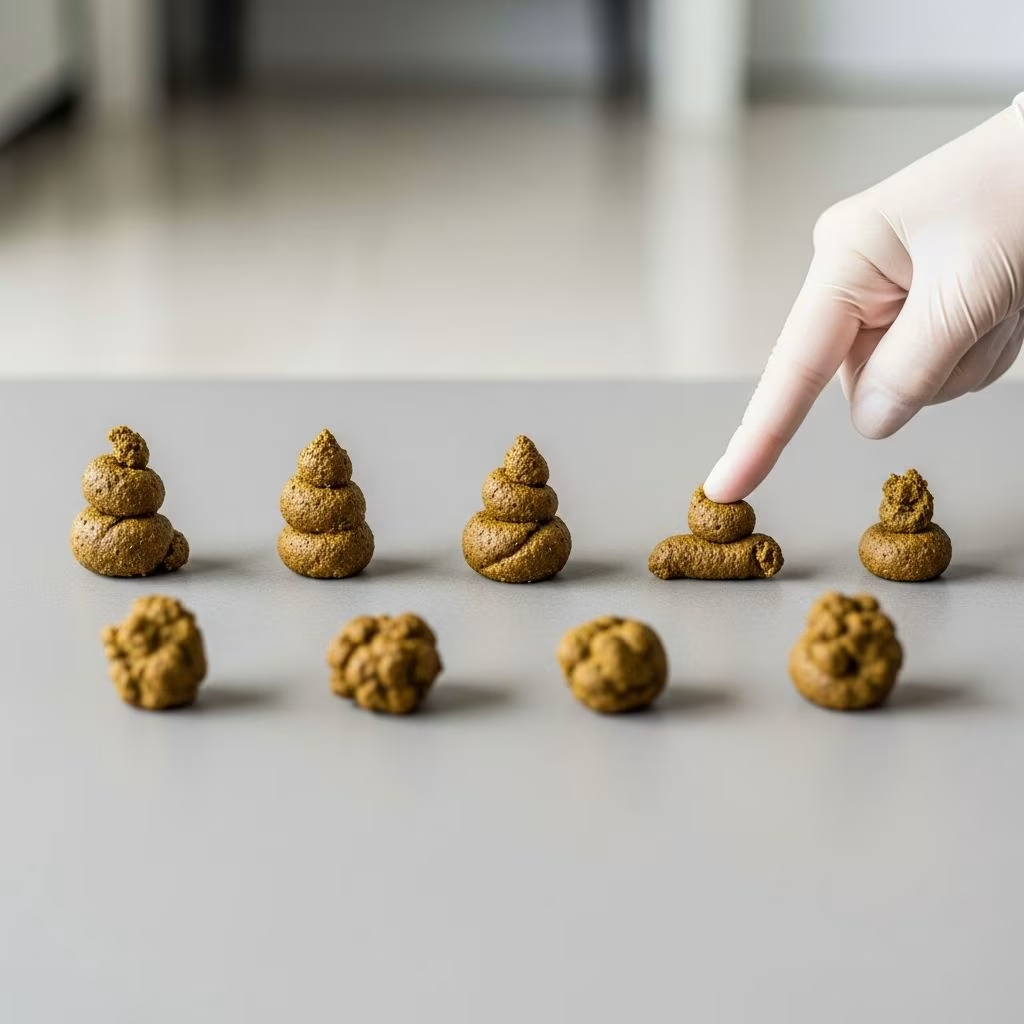
Your dog’s poo is a key indicator of their overall health, revealing insights into digestion, diet, hydration, and potential medical issues. Monitoring stool colour, consistency, shape, and content helps catch problems early, from parasites to serious diseases. Vets often assess poo first during check-ups because it provides a non-invasive snapshot of gastrointestinal function. Normal dog poo is typically chocolate-brown, firm yet pliable, log-shaped, and easy to pick up without mess. Deviations like unusual colours, blood, mucus, or worms signal the need for attention. This comprehensive guide breaks down what constitutes normal poo, common abnormalities, and when to seek veterinary care, empowering you to keep your furry friend thriving.
What Does Healthy Dog Poo Look Like?
Healthy dog stool reflects efficient digestion and absorption. It should resemble a “sausage” or segmented caterpillar: firm on the outside, smooth inside, and holding its shape when picked up. The colour comes from bilirubin in bile, produced by the liver and gallbladder to break down food.
- Colour: Chocolate-brown or medium brown. Slight variations occur with diet (e.g., beetroot may tint red), but persistent changes warrant concern.
- Consistency: Firm but pliable, like Play-Doh. Scores 2 on the Bristol Stool Scale for dogs: log-like with segments.
- Shape: Uniform log or caterpillar form, about 1-2 inches thick.
- Amount: Regular daily output matching diet intake; no excessive volume or straining.
- Odour: Unpleasant but not overwhelmingly foul. Strong smells suggest malabsorption or infection.
Puppies may have softer, moister poo due to faster metabolism, but it should firm up with age. Factors like hydration, exercise, and stress influence poo quality—dehydrated dogs produce harder stools, while overfed ones may have looser ones.
Dog Poo Colours and What They Mean
Stool colour is the first red flag for issues. Bile pigments turn brown during transit; disruptions alter this. Persistent abnormal colours beyond 1-2 stools require vet evaluation.
| Colour | Possible Causes | Urgency |
|---|---|---|
| Black/Tarry | Bleeding in upper GI tract (stomach, small intestine); digested blood darkens | High—vet immediately |
| Red/Bright Red Streaks | Fresh blood from lower GI (colon, rectum), polyps, or injury | High—vet promptly |
| Yellow/Grey/White | Liver, gallbladder, pancreas issues; rapid transit prevents bile processing | Medium to high |
| Green | Grass-eating, bile overproduction, or rapid digestion | Low unless persistent |
| Orange | Diet dyes or bile issues | Monitor |
Black tarry stools (melena) indicate digested blood from ulcers or tumours. Fresh red blood (hematochezia) points to colitis or parasites. Pale stools suggest biliary obstruction.
Dog Poo Consistency: From Hard to Diarrhoea
Consistency gauges water absorption in the large intestine. Ideal is firm yet soft; extremes signal dehydration, infection, or dietary upset.
- Hard/Dry/Pelleted: Dehydration, low fibre, or constipation. Painful passage risks fissures. Causes: not enough water, inactivity.
- Soft/Semi-Formed: Common in puppies from stress, diet changes, or mild parasites. Monitor for progression to diarrhoea.
- Liquid Diarrhoea: Acute (sudden, short-term) from garbage raiding or stress; chronic from IBD or allergies. Explosive types dehydrate quickly.
Greasy stools indicate malabsorption (pancreatic insufficiency); mucus points to colitis, allergies, or worms. If constipation lasts over 48 hours, suspect blockages.
What’s in Your Dog’s Poo? Worms, Mucus, and More
Visible contents reveal parasites or inflammation. Collect fresh samples for vets—outdoor exposure attracts flies.
- Worms: Roundworms (spaghetti-like), tapeworms (rice segments), hookworms (bloody diarrhoea). Puppies vulnerable via mother.
- Mucus: White coating from large intestine irritation—parasites, stress, polyps.
- Blood: As above; clotted or fresh.
- Undigested Food/Foam: Rapid transit or allergies.
- Foreign Objects: Garbage ingestion causes blockages.
Parasites thrive in unclean environments; deworm regularly, especially puppies.
Common Causes of Abnormal Poo
Many factors disrupt poo quality:
- Diet Changes: New food causes soft stools; intolerances mimic allergies.
- Stress: Boarding, moves, fireworks loosen stools via gut-brain axis.
- Parasites/Infections: Giardia, bacteria, viruses.
- Medications: Antibiotics disrupt flora.
- Diseases: Pancreatitis, liver failure, cancer.
Puppies face higher risks from weaning stress and immature immunity.
When to Worry About Dog Poo and Call the Vet
Not all changes need panic, but patterns do. Act if:
- Abnormal for 24-48+ hours.
- Blood, black stool, severe diarrhoea.
- With vomiting, lethargy, appetite loss, pain.
- Puppy, senior, or pre-existing conditions.
- Straining, tenesmus (feeling of incomplete evacuation).
Single episodes post-diet change? Often self-resolve. But dehydration risks escalate fast in small dogs.
How to Help Your Dog’s Poo Get Back to Normal
Home care for mild cases:
- Fast 12-24 Hours: Rest gut (water only).
- Bland Diet: Boiled chicken/rice 2-3 days, gradual kibble return.
- Hydrate: Electrolyte solutions, wet food.
- Probiotics: Restore flora (vet-approved).
- Fibre Boost: Pumpkin puree for constipation/diarrhoea.
Prevent with consistent diet, parasite control, stress reduction. Annual fecals detect microscopic issues.
Frequently Asked Questions (FAQs)
Is it normal for puppies to have soft poo?
Yes, puppies often have softer, moister stools due to diet and developing digestion, but persistent softness needs checking for parasites or stress.
What if my dog has diarrhoea but acts fine?
Mild, short-term diarrhoea without blood or other symptoms can be monitored with bland diet; vet if over 24-48 hours.
Why is my dog’s poo green?
Usually harmless from grass or fast transit; persistent green signals diet or liver review.
How often should my dog poo?
1-5 times daily, depending on size/age/diet. Fewer may indicate constipation.
Can stress cause abnormal poo?
Absolutely—new environments or changes trigger loose stools via cortisol effects on gut motility.
References
- What Your Pet’s Stools Say About Their Health — Monticello Veterinary. Accessed 2026. https://monticelloveterinary.com/articles/532932-what-your-pet-s-stools-say-about-their-health
- Is Dog Poop Really That Bad for The Environment? — Pumpkin.care. Accessed 2026. https://www.pumpkin.care/post/is-dog-poop-bad-for-the-environment
- What Should My Dog’s Poop Look Like? — PetMD. Accessed 2026. https://www.petmd.com/dog/care/how-should-my-dogs-poop-look
- Is Your Dog’s Poop Normal? 5 Signs It’s Not — YouTube (Kinship). Accessed 2026. https://www.youtube.com/watch?v=bti06sw0d7I
- Why Is My Puppy’s Poop Soft? Here’s What Causes This — Kinship. Accessed 2026. https://www.kinship.com/dog-health/puppy-poop-soft
- My Dog Has Diarrhea but Is Acting Fine: What to Know — Kinship. Accessed 2026. https://www.kinship.com/dog-health/dog-diarrhea-acting-fine



