

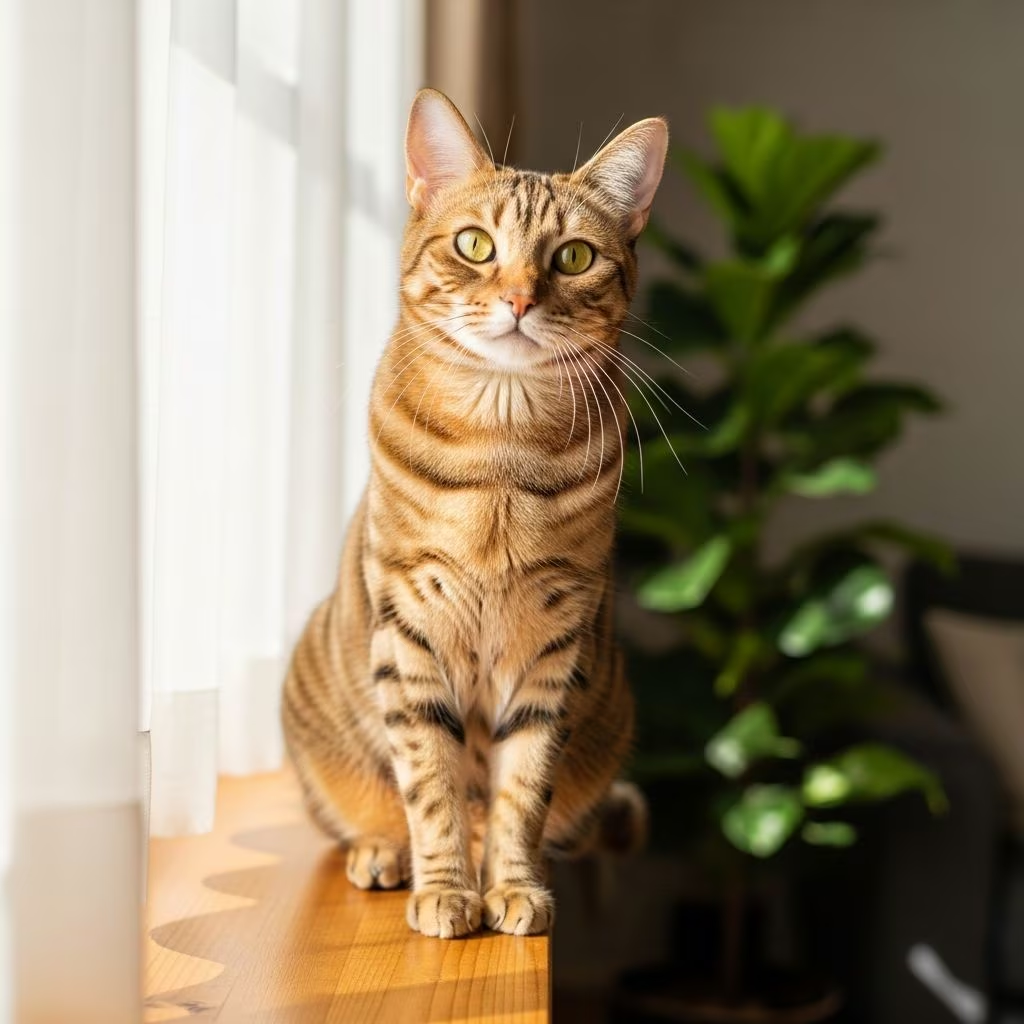
Determining if your cat is healthy involves observing multiple physical and behavioral indicators. Cats are experts at masking illness, so knowing their “normal” baseline is crucial for early detection of problems. Regular monitoring of eyes, ears, coat, weight, appetite, elimination habits, and activity levels helps ensure your feline thrives.
Table of Contents
- Healthy Cat Eyes
- Healthy Cat Ears
- Healthy Cat Nose
- Healthy Cat Coat and Skin
- Healthy Cat Weight
- Healthy Cat Appetite and Thirst
- Healthy Cat Mouth and Teeth
- Healthy Cat Behavior
- Healthy Cat Litter Box Habits
- Healthy Cat Activity Levels
- Signs Your Cat May Be Ill
- Frequently Asked Questions
Healthy Cat Eyes
A healthy cat’s eyes are clear, bright, and alert with no discharge or cloudiness. The whites should be white, not red or yellow, and there should be no squinting, tearing, or third eyelid visibility.
- Clear corneas: Transparent without haze, scratches, or ulcers.
- Normal pupil response: Pupils constrict in bright light and dilate in dim conditions symmetrically.
- No discharge: Slight clear moisture is okay, but green, yellow, or white pus signals infection.
Cloudy eyes or persistent discharge can indicate conjunctivitis, corneal ulcers, or upper respiratory infections. Elevated third eyelids often signal systemic illness. Monitor daily, as eye issues can lead to blindness if untreated.
Healthy Cat Ears
Healthy ears are clean, pink, and free of odor, wax buildup, or scratches. The ear canals should appear dry without excessive debris.
- Clean interior: Light wax is normal; dark, crumbly, or foul-smelling buildup suggests mites or infection.
- No head shaking: Frequent shaking or tilting indicates ear problems like mites or allergies.
- Symmetrical: Both ears should look and function equally.
Ear mites cause dark, coffee-ground-like discharge and intense itching, common in multi-pet homes. Bacterial or yeast infections produce odor and inflammation. Check ears weekly and clean gently if needed, but consult a vet for any abnormalities.
Healthy Cat Nose
A healthy cat nose is cool, moist, and free of discharge. Slight dampness is normal, but dryness alone isn’t a concern unless accompanied by other symptoms.
- Moist but not runny: Clear moisture is fine; colored discharge points to infection.
- No crusting: Cracks or sores suggest allergies or autoimmune issues.
- Smooth texture: Pink and unblemished.
Nasal discharge, sneezing, or congestion often stems from upper respiratory viruses like feline herpesvirus. Chronic issues may indicate polyps or dental disease. Observe for bilateral vs. unilateral discharge to differentiate causes.
Healthy Cat Coat and Skin
A hallmark of health is a shiny, sleek coat with no mats, dandruff, or bald patches. The skin should be soft, pink, and elastic without fleas, redness, or lumps.
- Grooming habits: Cats self-groom meticulously; unkempt fur signals pain or illness.
- No parasites: Check for flea dirt (black specks) or ticks.
- Skin check: Lift fur to inspect for wounds, allergies, or tumors.
Poor coat can result from nutritional deficiencies, hyperthyroidism, or kidney disease. Overgrooming to bald spots indicates allergies or stress. Brush regularly to monitor and distribute oils.
Healthy Cat Weight
Maintain a healthy weight through consistent monitoring. Feel the ribs easily without excess fat covering; an hourglass figure from above and tucked abdomen are ideal.
| Cat Size | Ideal Weight Range (lbs) |
|---|---|
| Small | 6-9 |
| Medium | 9-12 |
| Large | 12-18 |
Sudden weight loss despite good appetite signals hyperthyroidism, diabetes, or cancer; gain may indicate hypothyroidism or overfeeding. Weigh monthly and adjust diet accordingly.
Healthy Cat Appetite and Thirst
Consistent appetite and thirst reflect good health. Measure food and water daily to track intake.
- Steady eating: Finishes meals without begging or leaving food.
- Normal thirst: Drinks regularly but not excessively.
- No pickiness: Eats without hesitation unless transitioning foods.
Increased thirst and urination (PU/PD) are early kidney disease signs; voracious appetite with weight loss suggests diabetes or hyperthyroidism. Decreased intake points to dental pain or gastrointestinal issues.
Healthy Cat Mouth and Teeth
Healthy teeth are white without tartar; gums are pink and firm. Breath should be fresh, not foul.
- No bad breath: Halitosis affects 70% of cats by age 3 due to periodontal disease.
- Smooth gums: No bleeding or swelling.
- Intact teeth: No breaks or mobility.
Dental disease causes pain, drooling, head turning while eating, or food dropping. Brush teeth 1-2 times weekly and schedule vet cleanings biannually.
Healthy Cat Behavior
Playful, social, and relaxed behavior indicates wellness. Healthy cats greet owners, play, and purr contentedly.
- Social interaction: Seeks affection without aggression.
- No hiding: Hiding signals stress or illness.
- Normal vocalization: Purring, chirping; excessive meowing may indicate hyperthyroidism.
Changes like withdrawal or aggression often precede medical issues. Stress from boredom mimics illness signs.
Healthy Cat Litter Box Habits
Daily urination (2+ times) and defecation with formed stools are normal. No accidents outside the box.
- Clumped urine: Normal volume; large clumps suggest kidney issues.
- Firm stools: Soft or hard indicates diet or GI problems.
- No straining: Painful elimination signals UTI or constipation.
Inappropriate elimination is medical 90% of the time, linked to UTI, diabetes, or arthritis. Scoop daily and note changes.
Healthy Cat Activity Levels
Balanced energy: play bouts, jumping, grooming, and sleep (12-16 hours daily).
- Playful vigor: Chases toys without fatigue.
- Smooth movement: No limping or reluctance to jump.
- Normal sleep: Not excessive lethargy.
Lethargy signals pain, anemia, or infection; hyperactivity suggests hyperthyroidism. Age-appropriate activity is key.
Signs Your Cat May Be Ill
Cats hide sickness, but watch for:
- Changes in appetite, thirst, or weight.
- Litter box deviations (diarrhea, constipation, blood).
- Lethargy, hiding, or aggression.
- Coat dullness, bad breath, eye/nose discharge.
- Vomiting >1-2x/month or coughing.
Annual vet exams catch subclinical issues.
Frequently Asked Questions (FAQs)
Q: How often should I take my cat to the vet if it seems healthy?
A: At least annually for wellness checks, twice yearly for seniors (>7 years) to detect hidden issues like kidney disease early.
Q: Is a dry nose a sign of illness in cats?
A: No, nose moisture varies; focus on other symptoms like lethargy or discharge.
Q: What if my cat is urinating outside the litter box?
A: Rule out medical causes like UTI or diabetes first; it’s rarely behavioral spite.
Q: How can I tell if my cat’s weight is healthy?
A: Ribs palpable with slight fat cover; use body condition scoring charts from vets.
Q: Why is my cat’s fur dull?
A: Possible poor diet, grooming issues from pain, or systemic disease like hyperthyroidism.
References
- 10 Subtle Signs That Your Cat May Have an Illness — Cats Only Veterinary Clinic. Accessed 2026. https://catsonlyvc.com/10-subtle-signs-cat-may-illness/
- 7 Hidden Health Issues in Cats and How To Spot Them — PetMD. Accessed 2026. https://www.petmd.com/cat/general-health/hidden-health-issues-in-cats-and-how-to-spot-them
- Recognizing the Signs of Illness in Cats — VCA Animal Hospitals. Accessed 2026. https://vcahospitals.com/know-your-pet/recognizing-signs-of-illness-in-cats
- Cat Health Checklist: What is Your Cat’s Normal? — Vetster. Accessed 2026. https://vetster.com/en/wellness/cat-health-checklist-what-is-your-cat-s-normal
- 5 Signs that Could Indicate Something is Wrong with Your Cat — Solano Pet Emergency Clinic. Accessed 2026. https://solanopetemergency.com/services/cats/blog/5-signs-could-indicate-something-wrong-your-cat.html
- Recognizing the Signs of Illness in Cats — VCA Animal Hospitals (duplicate for emphasis). Accessed 2026. https://vcahospitals.com/know-your-pet/recognizing-signs-of-illness-in-cats



