

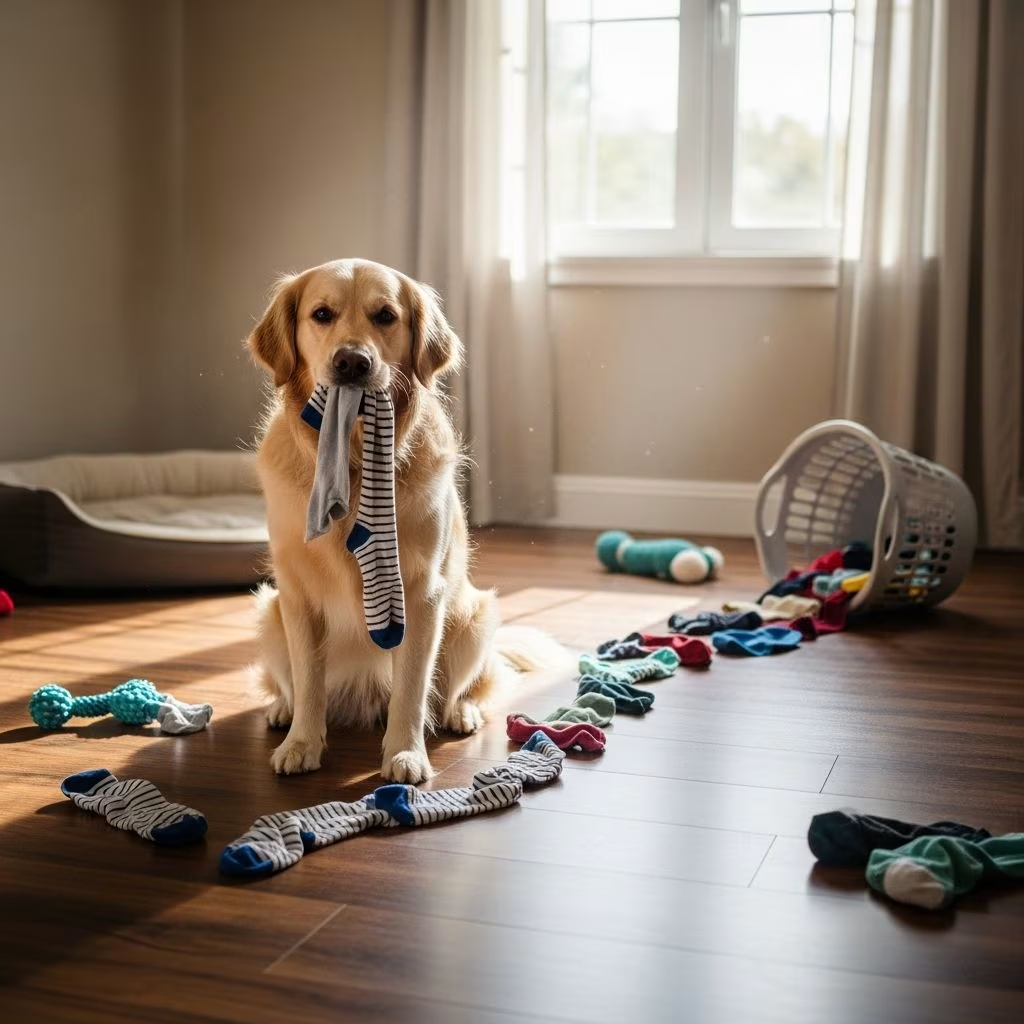
Dogs eating socks is a common yet frustrating problem that can lead to serious health risks like intestinal blockages. Understanding the root causes—ranging from natural scent attraction and boredom to medical conditions—allows owners to implement effective prevention and training strategies. This guide covers why it happens, immediate actions, long-term solutions, and when to seek professional help, drawing from veterinary insights and behavioural experts.
Why Do Dogs Eat Socks?
Dogs are irresistibly drawn to socks primarily because they carry their owner’s unique scent, which provides comforting sensory information through their powerful sense of smell. Socks absorb foot odours, sweat, and skin cells, making them a “scent treasure” that dogs investigate by mouthing and chewing.
This behaviour combines instinctual drives: the need to explore with their mouths, seek comfort from familiar smells, and engage in play. Puppies treat socks as soft teething relief, while adults may steal them to initiate exciting chase games.
The Role of Scent and Comfort
A dog’s nose contains up to 300 million olfactory receptors compared to humans’ 6 million, making your worn socks a fascinating olfactory map of your day. Chewing releases endorphins, providing stress relief similar to how humans might fidget with a stress ball.
- Scent marking: Dogs may chew to reinforce their bond with family members.
- Texture appeal: Soft, stretchy fabric mimics safe chew toys.
- Taste factor: Salt from sweat adds palatability.
Boredom and Attention-Seeking
Understimulated dogs channel excess energy into household items. When owners react by chasing or scolding, it inadvertently reinforces the behaviour—even negative attention feels rewarding. Resource guarding can also play a role, where dogs “claim” socks as valuable possessions.
The Dangers of Dogs Eating Socks
Swallowed socks pose life-threatening risks, particularly intestinal obstructions. Socks are non-digestible, absorbent materials that swell in the gut, bunch up, or stretch to block narrow passages. Puppies face higher risks due to smaller body size and developing digestive systems.
| Symptom | Severity | Action Required |
|---|---|---|
| Frequent vomiting (bile/fecal odour) | High | Emergency vet visit |
| Lethargy, loss of appetite | Medium-High | Monitor closely; vet if persists >24hrs |
| Abdominal pain (hunching, whining) | High | Immediate veterinary assessment |
| Diarrhea or constipation | Medium | Observe; x-ray if no improvement |
Breeds like Labradors are prone due to their scavenging tendencies. Surgery may be needed for complete blockages, costing thousands and carrying anaesthesia risks.
Why Some Dogs Are Sock Magnets
Puppies vs Adult Dogs
Puppies (4-18 months) chew socks for teething relief and exploration; most outgrow it with guidance. Adults persist due to learned habits, anxiety, or compulsion. Rescue dogs may exhibit it from stress or past survival scavenging.
Medical Causes: Pica and Beyond
Pica involves compulsive ingestion of non-foods like socks, linked to nutritional deficiencies, GI issues, thyroid problems, or neurological conditions. Stress/anxiety triggers it too. Consult a vet for bloodwork if behaviour persists despite management.
- Nutritional gaps: Anaemia or mineral deficiencies.
- GI disturbances: Parasites, allergies prompting unusual appetites.
- Compulsive disorder: Obsessive repetition, distress when denied.
Immediate Prevention: Dog-Proof Your Home
Start with environmental control to break the cycle instantly.
- Close bedroom doors and secure laundry hampers.
- Pick up scattered clothes daily; use baskets dogs can’t access.
- Check under furniture/beds regularly.
- Involve family (especially kids) in “sock patrols”.
- Launder promptly to reduce scent appeal.
Supervise closely, especially with puppies or known chewers. Tether your dog to you via leash during high-risk times like laundry day.
Provide Better Alternatives
Redirect energy with engaging substitutes that match socks’ appeal: soft texture, scent, durability.
- Frozen Kongs: Stuff with peanut butter/yoghurt, freeze for long-lasting chew.
- Rope toys: Tug-of-war mimics sock games safely.
- Puzzle feeders: Mental workouts reduce boredom.
- Rotate toys weekly: Novelty prevents habituation.
Increase exercise: 60+ minutes daily walks/runs, plus training sessions. Boredom-proof routines prevent mischief.
Training Commands to Stop Sock Eating
Teach essential cues early; practice daily in low-distraction settings, then generalize.
- Leave It: Hold treat; show sock, say “leave it”, reward for ignoring. Progress to dropping sock on floor.
- Drop It: Trade sock for high-value treat/toy. Never chase—calmly offer exchange.
- Stay/Place: Direct to bed/mat during risky times.
Use positive reinforcement only. Punishment increases anxiety, worsening pica-like behaviours.
Addressing Root Causes
Reduce Anxiety and Build Routines
Consistent schedules (meals, walks, play) provide security. Create a “safe space” crate with bedding/toys for decompression.
Mental and Physical Enrichment
Incorporate nosework games, obedience training, agility. Tired dogs don’t seek socks.
For Resource Guarding
Desensitize via controlled trades; consult trainer if growling occurs.
When to See a Professional
- Persistent eating despite 2-4 weeks consistent management.
- Symptoms of ingestion or pica escalation.
- Sudden onset in well-adjusted adults.
Vets rule out medical issues; certified trainers/behaviourists handle compulsions.
Frequently Asked Questions
Will my puppy outgrow eating socks?
Most do by 18 months with proper guidance, teething toys, and training. Monitor to prevent habits.
What if my dog already swallowed a sock?
Watch for vomiting, lethargy, pain. No symptoms >48hrs? Likely passed. Otherwise, vet x-ray immediately.
Are some breeds more prone?
Yes—Labs, retrievers, hounds due to scavenging/scent drives. Herding breeds from boredom.
Does neutering/spaying help?
No direct link, but reduces some anxiety-driven behaviours. Address causes primarily.
How long until training works?
1-4 weeks with daily practice. Consistency is key; setbacks normal.
Your Next Steps for a Sock-Free Home
1. Dog-proof today. 2. Stock up on alternatives. 3. Train daily. 4. Boost exercise/enrichment. 5. Monitor progress; vet if needed.
With patience, most dogs redirect happily. Your vigilance prevents emergencies and strengthens your bond.
References
- Dog Eating Socks? Why It Happens & How to Stop It — Rubyloo. 2023-06-15. https://rubyloo.co/blogs/news/dog-eating-socks
- Dog Ate a Sock: An Emergency Guide to Intestinal Blockage — GSVS. 2024-02-20. https://gsvs.org/blog/dog-ate-sock-emergency-intestinal-blockage/
- How Do I Get My Dog To Stop Eating Socks? — Puppy Trained Right. 2020-12-17. https://www.puppytrainedright.com/site/blog/2020/12/17/how-do-i-get-my-dog-to-stop-eating-socks
- What to Do If Your Pet Snacks on Socks (And Other Non-Food Items) — Greenlin Pet Resorts. 2023-11-10. https://www.greenlinpetresorts.com/blog/what-to-do-if-your-pet-snacks-on-socks-and-other-non-food-items/
- Why Does My Dog Chew on My Underwear and Socks? — American Kennel Club (AKC). 2023-05-05. https://www.akc.org/expert-advice/training/why-does-my-dog-chew-on-my-underwear-and-socks/



