

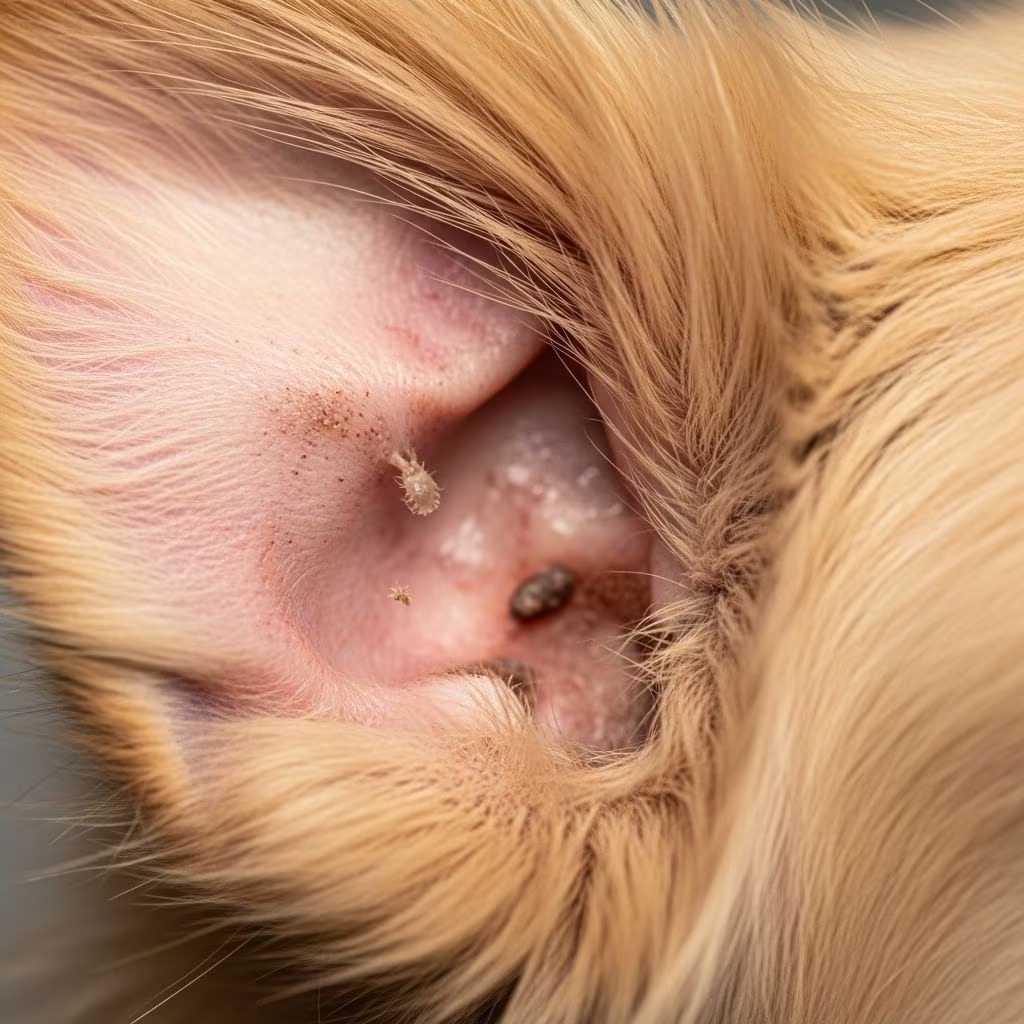
How Do Dogs Get Ear Mites: Complete Guide to Prevention and Treatment
Ear mites are tiny parasitic organisms that can cause significant discomfort and distress to your beloved canine companion. These microscopic pests are among the most common ear problems affecting dogs, particularly puppies and younger animals. Understanding how dogs contract ear mites, recognizing the symptoms, and knowing the available treatment options can help you protect your pet’s health and well-being. This comprehensive guide will walk you through everything you need to know about ear mites in dogs, from transmission routes to effective prevention strategies.
What Are Ear Mites?
Ear mites are tiny skin parasites that inhabit the ear canals of dogs and other animals. These microscopic creatures belong to the genus Otodectes and are particularly prevalent in puppies and young dogs, though they can affect canines of any age. Unlike some other parasites, ear mites are highly contagious and spread easily from animal to animal through direct contact. The presence of ear mites triggers an inflammatory response in the ear canal, leading to increased wax production, irritation, and the characteristic symptoms pet owners notice.
How Dogs Get Ear Mites: Transmission Routes
Understanding the various ways dogs can contract ear mites is essential for effective prevention. Ear mites spread through multiple transmission routes, and knowing these pathways can help you protect your pet from infection.
Direct Contact with Infected Animals
The most common way dogs get ear mites is through close contact with infected animals. This can occur when your dog plays, cuddles, or spends time near other infected dogs, cats, or even wildlife that may be carriers. The mites can transfer from the infected animal’s ears to your dog’s ears during play or grooming interactions. This is particularly common in multi-pet households where animals share living spaces and have frequent contact with one another.
Contaminated Bedding and Toys
Ear mites can also spread through fomites—contaminated objects such as bedding, toys, and grooming tools. If your dog uses the same bedding or toys as an infected animal, the mites can transfer to your pet. This indirect transmission route is especially problematic in boarding facilities, shelters, and multi-pet households where items are shared or not thoroughly sanitized between uses. Even brief contact with contaminated surfaces can lead to infestation.
Environmental Exposure
While rare, dogs can occasionally pick up ear mites from outdoor environments if an infected animal has recently been in that location. This risk is generally lower than direct contact transmission, but it remains a possibility, particularly in areas where stray or wild animals with ear mite infestations have passed through.
Recognizing the Symptoms of Ear Mites
Early detection of ear mites is crucial for prompt treatment and preventing complications. Dogs with ear mite infections display a variety of characteristic symptoms that warrant immediate veterinary attention.
Primary Symptoms
The most obvious sign of ear mite infestation is intense itching and scratching around the ears and head. Your dog may persistently scratch at their ears with their hind legs or rub their head along furniture and carpeting. Another telltale symptom is excessive head shaking and ear flapping, even when the dog isn’t actively scratching. This behavior is the dog’s natural response to the irritation and discomfort caused by the parasites.
Physical Signs in the Ear
When you examine your dog’s ears, you may notice several distinctive physical indicators. A dark, crumbly discharge resembling coffee grounds is characteristic of ear mite infestations. This debris consists of mite waste, dead skin cells, and ear wax accumulation. Additionally, you may observe redness and swelling of the ear canal, and the ears may emit a foul, unpleasant odor. Some dogs develop raw areas or hot spots from excessive scratching, and crusting may form on or around the ears.
Secondary Symptoms
If left untreated, ear mites can lead to complications including bacterial or yeast infections within the ear canal. Hair loss around the ears and ear inflammation are also possible, particularly with prolonged infestations. In severe cases, untreated ear mites can result in partial or total deafness.
Diagnosis and When to See a Veterinarian
If you suspect your dog has ear mites, scheduling a veterinary appointment is essential. A veterinarian can definitively diagnose ear mites by examining the pet’s ears with an otoscope or by observing ear discharge under a microscope. In some cases, if the ears are very sore or the dog is particularly anxious, sedation may be necessary to allow thorough examination and treatment. Professional diagnosis is important because several conditions can mimic ear mite symptoms, including bacterial infections, yeast infections, and allergies. Misdiagnosing the condition at home can lead to inappropriate treatment and worsen your dog’s discomfort.
Treatment Options for Dog Ear Mites
Once your veterinarian confirms an ear mite diagnosis, several effective treatment options are available. The choice of treatment depends on your dog’s specific condition, age, and overall health.
Topical Medications
Topical medications are the most commonly prescribed treatment for ear mites in dogs. These medications are applied directly inside the ear or to the skin and work to eliminate mites on contact. Available formulations include eardrops, creams, and ointments. Your veterinarian will provide specific instructions on application frequency and duration, which typically ranges from a few weeks to several months depending on the medication.
Prescription Ear Mite Treatments
Several prescription-only products are specifically designed to treat ear mites. Acarexx and Mibemite are single-use topical formulations placed directly into the ears that effectively kill mites with just one or two applications. These products contain ivermectin and milbemycin oxide respectively and are highly effective for eliminating infestations.
Flea, Tick, and Heartworm Preventatives
Many monthly flea, tick, and heartworm prevention medications also treat ear mites. Products containing selamectin, moxidectin, fluralaner, or sarolaner are effective at killing mites. Revolution, available in both cat and dog formulations, is commonly used to treat ear mites and can prevent recurrence through regular monthly applications. Other effective options include NexGard, Bravecto, and Simparica, which are isoxazaline products that have proven effectiveness against ear mites.
Ear Cleaning and Support Medications
Beyond mite-targeting treatments, your veterinarian may prescribe medicated ear cleansers for daily home use. These help remove excess wax and debris from the ear canal. Once daily ear cleaning with a vet-approved cleaner can significantly improve your dog’s comfort and the effectiveness of other treatments. If your dog has developed secondary bacterial or yeast infections, additional medications including oral antibiotics or topical treatments may be necessary.
Important Treatment Considerations
It’s crucial to follow your veterinarian’s treatment instructions precisely and complete the entire course of medication, even if your dog’s ears appear to improve partway through. Stopping treatment prematurely can result in incomplete elimination of mites and recurrent infections. Additionally, treating all pets in the household is often recommended to prevent reinfection from animal to animal.
Why Home Remedies Are Not Recommended
While various home remedies circulate online, professional veterinary treatment is significantly more effective. Historically, mineral oil was used to treat ear mites by suffocating them, but this approach required application multiple times daily for at least six weeks and was far less effective than modern prescription treatments. Additionally, home remedies do nothing to address secondary infections caused by ear mites. Attempting to treat ear mites at home can delay proper diagnosis and allow the condition to worsen, causing unnecessary suffering for your pet.
Prevention Strategies
Preventing ear mite infestations is far preferable to treating them. The most effective prevention strategy is maintaining your dog on monthly flea, tick, and heartworm prevention medications year-round. These preventatives also provide protection against ear mites, creating a comprehensive defense against multiple parasites. Additionally, practice good hygiene by regularly washing your dog’s bedding, cleaning toys, and maintaining grooming tools that contact your pet’s ears. If you have multiple pets, ensure all animals are on appropriate parasite prevention. Limiting your dog’s contact with stray animals or wildlife known to carry parasites also reduces infection risk.
Complications of Untreated Ear Mites
Leaving ear mites untreated can lead to serious complications. Prolonged scratching and inflammation can result in secondary bacterial or yeast infections requiring additional treatment. Severe cases may result in aural hematomas—fluid-filled swellings of the ear flap. In the most severe instances, untreated ear mites can cause partial or total hearing loss in your dog. These complications significantly impact your pet’s quality of life and often require more extensive and expensive treatment than addressing the initial mite infestation.
Frequently Asked Questions About Dog Ear Mites
Q: Can humans get ear mites from dogs?
A: No, ear mites that affect dogs are species-specific and cannot infect humans. However, practicing good hygiene when handling infected dogs is still recommended.
Q: How long does it take to treat ear mites in dogs?
A: Treatment duration varies depending on the medication used, typically ranging from one to four weeks. Some prescription treatments work in as little as one application, while others require several weeks of application.
Q: Can ear mites spread to other pets?
A: Yes, ear mites are highly contagious and easily spread to other dogs and cats through direct contact or contaminated objects. All pets in the household should be treated if one is diagnosed.
Q: Are puppies more susceptible to ear mites than adult dogs?
A: Yes, puppies and young dogs are more commonly affected by ear mites than adult dogs, though any dog can contract the infestation regardless of age.
Q: How can I tell the difference between ear mites and ear wax buildup?
A: Ear mites cause dark, crumbly discharge with intense itching and head shaking, while normal ear wax is light brown or yellow, soft, and doesn’t cause the same level of irritation or discomfort.
Q: Is it safe to use over-the-counter ear treatments without veterinary diagnosis?
A: No, over-the-counter treatments may not effectively address ear mites and can worsen other conditions. Professional veterinary diagnosis ensures appropriate treatment for your dog’s specific condition.
References
- Symptoms and Treatment of Ear Mites in Dogs — Bayshore Veterinary. https://bayshore-vet.com/veterinary-blog/dog-ear-mites-holmdel-nj/
- Ear Mites in Dogs and Puppies — PDSA (People’s Dispensary for Sick Animals). https://www.pdsa.org.uk/pet-help-and-advice/pet-health-hub/conditions/ear-mites-in-dogs-and-puppies
- Ear Mites in Dogs: Appearance, Symptoms & Treatments — GoodRx. https://www.goodrx.com/pet-health/dog/ear-mites-in-dogs
- Ear Mites in Cats and Dogs — VCA Animal Hospitals. https://vcahospitals.com/know-your-pet/ear-mites-otodectes-in-cats-and-dogs
- Ear Mites in Dogs | Treatment & Symptoms — Blue Cross. https://www.bluecross.org.uk/advice/dog/health-and-injuries/ear-mites-in-dogs



