

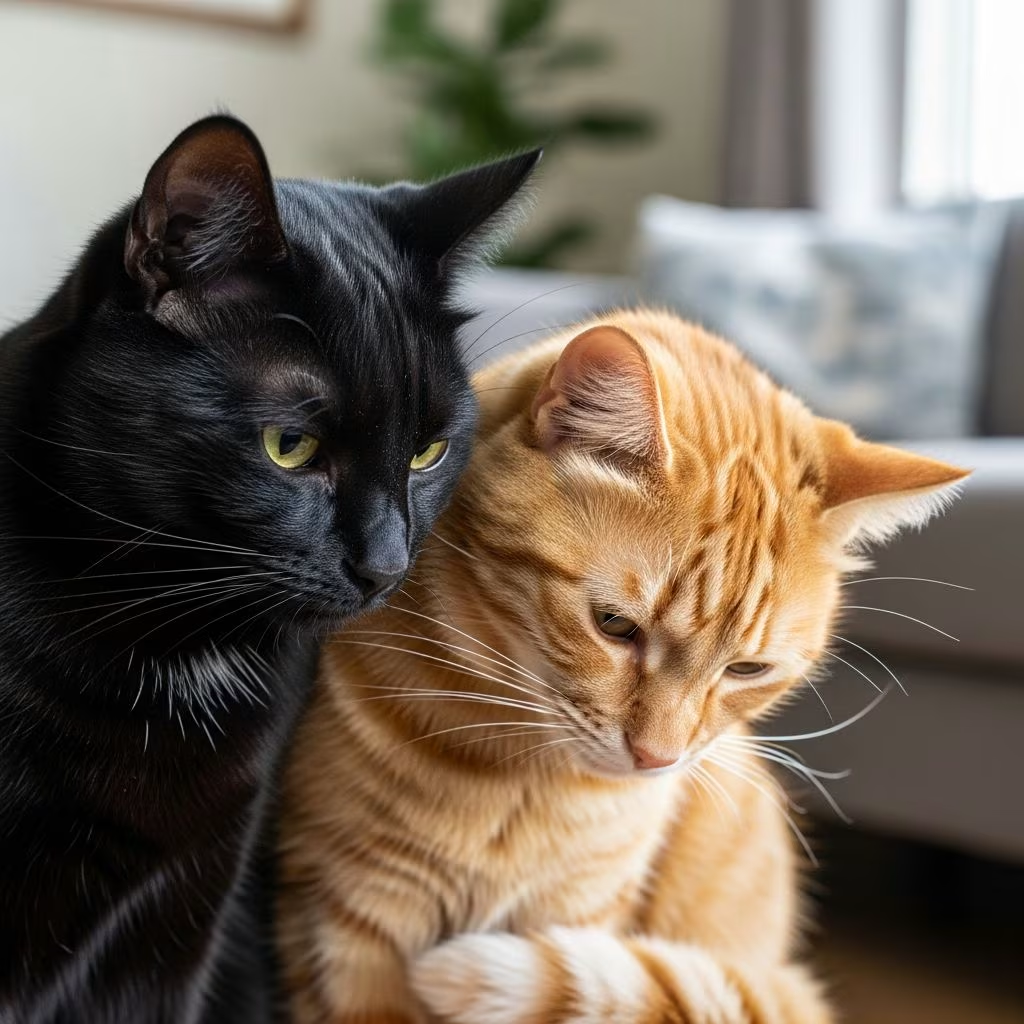
Cats communicate submission through specific body language and vocalizations that signal trust, respect, and a desire to avoid conflict. These behaviors help maintain harmony in multi-cat households or strengthen the bond with human owners.
What Does Submission Mean in Cats?
Submission in cats is a non-aggressive response indicating deference to a perceived dominant individual, whether another cat or a human. It involves body postures that make the cat appear smaller and less threatening, such as lowering the head, flattening ears sideways, tucking the tail, or rolling over to expose the belly. Cats may also purr softly, chirp, close their eyes slowly, or rub against legs to convey trust and affection.
This behavior stems from cats’ social structure as both solitary hunters and group-living animals in colonies. Submission prevents fights by signaling ‘I am not a threat,’ allowing the submissive cat to coexist peacefully. In human interactions, it often reflects comfort and security rather than fear.
Body Language Signs of Submission in Cats
Cats use a combination of posture, facial expressions, and movements to show submission. Recognizing these helps owners respond appropriately and build trust.
- Flattened Ears: Ears pressed sideways against the head indicate submission or appeasement, distinguishing from backward ears which signal aggression.
- Lowered Head and Body: The cat crouches low, averts gaze, or inclines its head downward to appear non-threatening.
- Tucked Tail: Tail held low or wrapped around the body reduces the cat’s profile and signals deference.
- Belly Exposure: Rolling onto the back to show the belly is a high-trust sign, though it can sometimes be defensive (the ‘Venus Cat Trap’). Context matters—relaxed body and purring indicate true submission.
- Offering a Paw: Extending a paw as if asking for pets mimics ‘giving paw’ and shows willingness to engage submissively.
- Rubbing and Head Butting: Scent-marking against legs or head-butting transfers pheromones, affirming social bonds.
- Slow Blinking and Soft Eyes: Half-closed eyes or slow blinks convey relaxation and trust, often called ‘cat kisses.’
These signs cluster together; a single cue like belly exposure alone might not confirm submission without accompanying relaxed posture.
Submission Between Cats
In multi-cat homes, submission establishes hierarchy without violence. The submissive cat yields resources like food bowls or prime sleeping spots. Dominant cats may stare, block paths, or swat, while the submissive one flattens ears, tucks tail, or moves away.
Passive aggression from dominants includes sitting on the submissive cat or pushing it from spots. Submissive cats avoid direct confrontation, eating second or retreating. Resource guarding near food isn’t always dominance— it can be territorial wariness toward non-group members.
Monitor interactions: provide separate feeding areas and vertical spaces to reduce stress. If growling or hissing occurs, separate cats immediately to prevent escalation.
How Cats Show Submission to Humans
Toward owners, submission blends with affection, showing the cat views you as a safe leader. Common displays include purring while flattening ears during pets, exposing the belly for scratches (cautiously), or offering paws for interaction. Rubbing legs deposits scent, claiming you as family.
A cat sleeping near or on you, allowing pickups, or licking your hand further indicates trust. Unlike inter-cat submission, human-directed behaviors emphasize bonding over strict hierarchy.
Training Your Cat to Show Submission
While natural, submission can be encouraged through positive reinforcement. Never force behaviors, as this erodes trust.
- Start Calm: Pet gently when relaxed, rewarding with treats or praise for calm responses like slow blinks.
- Paw Training: Hold a treat near their paw; clicker-train touching it, gradually shaping to offering the paw voluntarily.
- Belly Exposure: Lightly stroke sides if they roll over, stopping before discomfort to associate it positively.
- Consistency: Use the same cues (e.g., ‘gentle’ command) and reward immediately. Sessions last 5-10 minutes daily.
- Environment: Provide scratching posts, litter praise, and alone time to reduce stress, enhancing submissive displays.
Patience yields results; feral or abused cats may take months.
What If My Cat Doesn’t Show Submission?
Lack of submission might signal fear, pain, or insufficient trust rather than defiance. Approach slowly with soothing tones, offer treats from afar, and allow self-paced exploration.
- Check for health issues: Tense postures or hiding can indicate pain.
- Build trust gradually: Play sessions, consistent routines, and pheromone diffusers help.
- Avoid punishment: It increases fear, mimicking aggression responses like growling or hissing.
If aggression persists, consult a vet or behaviorist to rule out medical causes.
Signs Your Cat Trusts You
Trust manifests in submissive and affiliative behaviors:
| Behavior | Meaning |
|---|---|
| Slow blinking, purring | Relaxation and affection |
| Head butting, rubbing | Scent-marking as family |
| Sleeping near you | Feels secure |
| Allowing handling | Comfort with vulnerability |
| Grooming you | Social bonding |
These overlap with submission but emphasize mutual comfort.
Difference Between Submission and Affection
Submission signals respect and de-escalation (e.g., flattened ears to avoid conflict), while affection expresses love (e.g., enthusiastic purring, kneading). Cats show both interchangeably to owners, but submission is more appeasement-oriented, affection more playful.
In distress, submission prevents fights; in joy, affection invites interaction. Understanding nuances improves communication.
Frequently Asked Questions (FAQs)
What is the meaning behind a cat showing submission?
It’s a sign of trust, respect, and affection, helping cats avoid conflict and affirm social bonds.
Is it normal for cats to show submission towards other cats?
Yes, it establishes hierarchy; submissive cats flatten ears and tuck tails to signal non-threat.
Why does my cat expose its belly but then attack?
This ‘Venus Cat Trap’ can be defensive; always check body tension before petting.
Can I train a kitten to show submission?
Yes, start early with positive reinforcement for natural behaviors like paw offering.
What if submission turns into aggression?
Separate and consult experts; it may indicate pain or poor socialization.
Final Thoughts
Understanding cat submission enhances your relationship, preventing misunderstandings and fostering trust. Observe clusters of signs, respect boundaries, and use positive methods to encourage these behaviors. A submissive cat is a happy, secure one.
References
- How Does a Cat Show Submission? Behavioral Tips & Tricks — Hepper. 2023-10-15. https://articles.hepper.com/how-does-a-cat-show-submission/
- The Definitive Guide to Cat Behavior and Body Language — Tuft & Paw. 2024-05-20. https://www.tuftandpaw.com/blogs/cat-guides/the-definitive-guide-to-cat-behavior-and-body-language
- How To Tell Which Cat Is Dominant — Cats.com. 2024-02-12. https://cats.com/how-to-tell-which-cat-is-dominant
- Cat Introductions 101: It’s All About Patience! — Feline Behavior Solutions. 2023-08-05. https://felinebehaviorsolutions.com/cat-introductions-101-patience/



