

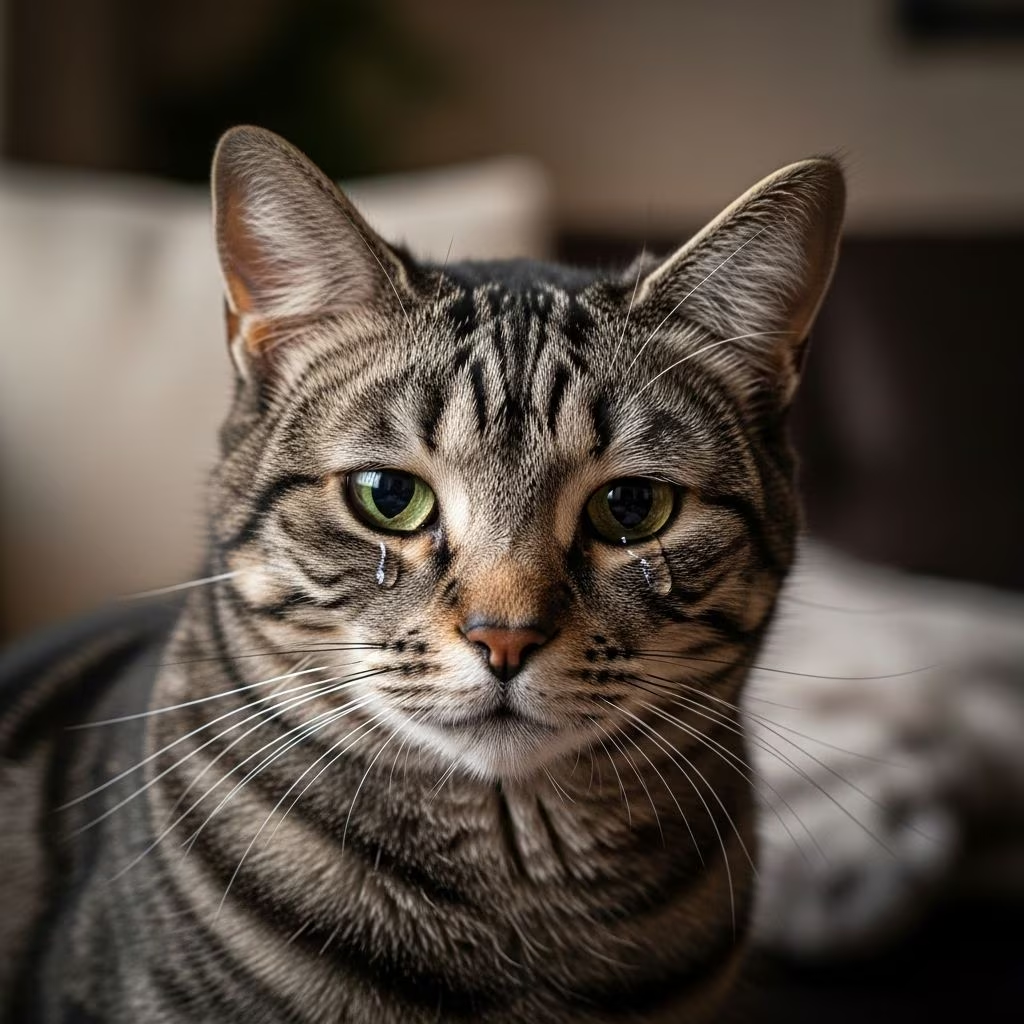
How Do Cats Show Sadness: Understanding Feline Emotions
Cats are complex emotional creatures that experience a range of feelings, including sadness and depression. Unlike dogs, who openly display their emotions through wagging tails and enthusiastic barks, cats tend to be more reserved and subtle in how they communicate their inner emotional states. This reserved nature makes it challenging for cat owners to recognize when their feline companions are feeling down. Understanding the signs of feline sadness is crucial for maintaining your cat’s emotional and physical health, as prolonged sadness can lead to serious health complications.
Cats express their emotions through quiet, often overlooked changes in behavior, body language, and daily routines. As a responsible cat owner, learning to recognize these subtle signals is essential for providing timely support and intervention. This comprehensive guide will help you identify the various ways cats show sadness and what you can do to help.
Withdrawal and Hiding Behavior
One of the most telling signs that your cat may be experiencing sadness is a sudden change in social behavior. Withdrawal and excessive hiding are among the most common indicators of feline depression. A cat that is normally social and interactive may begin isolating themselves, spending extended periods hidden away in secluded spots such as under beds, inside closets, or on top of high cabinets.
When a sad cat avoids interaction even with their favorite humans, it signals emotional distress. This behavior represents a significant departure from their baseline personality and should prompt careful observation. The cat may choose dark, enclosed spaces where they feel safe and protected, indicating they are seeking comfort and solitude during emotional turmoil.
Changes in Vocalization Patterns
Cats communicate through vocalizations, and changes in these patterns can reveal their emotional state. Alterations in meowing behavior can indicate sadness or depression in several ways:
- A normally chatty cat may become unusually quiet and stop meowing as frequently as before
- A typically quiet cat may suddenly become vocal, producing increased meows, yowls, or cries for attention
- Depressed cats may produce low-pitched, mournful yowls rather than their normal vocalizations
- Changes in the pitch, loudness, or frequency of vocalizations suggest underlying anxiety and mental anguish
Some sad cats also start purring more frequently as a self-soothing mechanism to comfort themselves during emotional distress. Any deviation from your cat’s normal vocal patterns warrants attention and observation.
Sleep and Activity Level Changes
While cats are naturally known for sleeping 12 to 16 hours per day, depression can significantly alter their sleep patterns. Depressed cats often sleep even more than their baseline, sometimes extending their rest periods considerably. Additionally, you might notice your cat sleeping in unusual locations or unfamiliar spots that feel more protected or hidden compared to their typical sleeping areas.
Beyond increased sleep, sad cats exhibit unusually low energy levels and reduced activity. A once-active and playful cat may become lethargic and unmotivated to engage in activities they previously enjoyed. This dramatic decrease in energy is often accompanied by a general sense of apathy toward their surroundings, indicating emotional disengagement or depression.
Appetite and Eating Habit Changes
Changes in eating behavior are significant indicators of feline sadness. A depressed cat may experience a sudden loss of appetite, eating considerably less than usual. In some cases, these cats may not even respond to their favorite treats, which is particularly noteworthy since food motivation is typically strong in felines.
While loss of appetite is more common in sad cats, some may experience the opposite and overeat as a response to stress and anxiety. Any sudden change in eating habits—whether increased or decreased consumption—suggests emotional or physical disturbance and warrants veterinary consultation. Prolonged appetite loss can lead to weight loss and nutritional deficiencies that further compromise your cat’s health.
Body Language and Physical Signals
A cat’s body language provides crucial insight into their emotional state. Depressed cats display specific physical indicators through their posture and positioning:
- Ears held back against the head rather than in their normal forward position
- Tail tucked tightly between their legs or held low
- Hair raised on the body, indicating unease and restlessness
- Lowered body positions and slinky movements to avoid attention
- Lack of jumping, investigating novelty, or exploring their environment
- Unusual tail positioning compared to their normal behavior
Additionally, there may be changes in how your cat rubs against you and other objects—either significantly less or noticeably more than usual. These physical manifestations of sadness reflect your cat’s internal emotional struggle and discomfort.
Aggression and Behavioral Changes
Sadness in cats can manifest as increased aggression, fear responses, and behavioral problems. A sad cat may become more sensitive and reactive to different stimuli, responding with aggression or fear where they previously remained calm. This heightened reactivity includes behaviors such as:
- Hissing or spitting unexpectedly
- Biting or swatting at people or other pets
- Chasing or growling
- Becoming snappy or irritable when touched
- Avoidance of situations they previously tolerated
An abnormally aggressive or scared cat is usually not at peace with itself and channels its anxiety through these hostile behaviors. These aggressive displays are cry for help and indicate that your cat is struggling emotionally.
Loss of Interest in Play and Activities
Depressed cats experience reduced playfulness and curiosity, losing interest in activities they once enjoyed. Signs include:
- Stopped playing with toys or showing interest in interactive games
- No longer engaging in hide and seek games
- Losing interest in food hunting activities
- Stopped watching birds or entertainment through windows
- Abandoning favorite pastimes like chasing strings or batting at objects
- General emotional disengagement from their surroundings
This withdrawal from previously enjoyed activities represents a significant change in personality and emotional state, often indicating depression or emotional distress.
Grooming and Coat Condition Changes
Cats are notoriously clean animals, making grooming behavior a reliable indicator of emotional health. Depressed cats often exhibit dramatic changes in grooming habits:
- Under-grooming: Neglecting their coat, resulting in a dull, greasy, matted appearance
- Over-grooming: Excessive licking to the point of fur loss and skin irritation
- Poor overall coat and skin condition
- Unkempt appearance compared to their normally fastidious grooming standards
Both overgrooming and undergrooming behaviors stem from stress, anxiety, and low energy levels. A sudden decline in your cat’s grooming standards is a red flag for emotional imbalance and depression.
Litter Box and Bathroom Habit Changes
Changes in bathroom behavior can indicate sadness and stress in cats. A sad cat may exhibit:
- Inappropriate elimination outside the litter box (urination or defecation)
- Changes in normal litter box usage patterns
- Gastrointestinal issues such as constipation or diarrhea
- Urinary tract or bladder problems
When a cat abandons their usual litter box routine or changes their bathroom habits, it signals emotional disturbance and should prompt a veterinary evaluation to rule out medical conditions.
Stranger Anxiety and Clinginess
Depression can paradoxically cause cats to display both increased stranger anxiety and excessive clinginess. A sad cat may become more clingy and demanding of their owner’s attention while simultaneously becoming more anxious around unfamiliar people. Although most cats are naturally people-shy, their stranger anxiety becomes more pronounced during emotional distress.
Some depressed cats cling to their owners, seeking constant reassurance and comfort, while simultaneously avoiding interaction with anyone else. This conflicting behavior reflects their emotional struggle and need for security during times of sadness.
Common Causes of Sadness in Cats
Understanding what triggers feline sadness can help you prevent or address the underlying issues:
- Loss of a companion: Death or departure of a beloved cat, human, or pet friend
- Routine disruptions: Major changes in daily schedules, moving to a new home, or environmental alterations
- Boredom: Lack of mental stimulation and environmental enrichment
- Restricted indoor living: Limited access to stimulation and natural territory exploration
- Undiagnosed medical conditions: Pain and illness that go undetected
- Stress and anxiety: Loud noises, conflicts with other pets, or stressful household situations
The Health Impacts of Prolonged Sadness
When a cat feels sad for extended periods, it can lead to serious health consequences. Emotional distress can weaken a cat’s immune system, making them more susceptible to illness and infection. Additionally, prolonged sadness may cause:
- Development of stress-related illnesses
- Appetite changes leading to malnutrition
- Grooming issues and skin problems
- In severe cases, refusal to eat leading to hepatic lipidosis (fatty liver syndrome), which can be life-threatening
The connection between emotional and physical health in cats is profound, making it essential to address sadness promptly.
Creating an Enriching Environment for Your Cat
Environmental enrichment is essential for maintaining your cat’s emotional well-being. A stimulating, safe, and predictable environment helps cats feel secure and emotionally balanced. Consider implementing:
- Interactive toys and play sessions to maintain mental stimulation
- Climbing structures and perches for exploration and observation
- Window access to watch outdoor activity
- Puzzle feeders to engage their hunting instincts
- Safe outdoor access through a catio when possible
- Consistent daily routines and predictable schedules
- Opportunities for natural territorial behavior
The Role of Outdoor Access and Catios
Outdoor access—when safe—can significantly boost your cat’s mood. Catios (enclosed outdoor spaces) provide fresh air, natural stimulation, and access to new territory, all of which can reduce sadness and support mental well-being. If outdoor access is not possible, ensure your indoor environment offers adequate stimulation through windows, plants, and interactive enrichment activities.
When to Consult a Veterinarian
While behavioral changes often indicate sadness, not all signs of depression are purely emotional. Always consult a veterinarian to rule out underlying medical issues before assuming behavioral changes are emotional in nature. Medical conditions such as pain, illness, or metabolic disorders can mimic or contribute to depressive symptoms. A thorough veterinary examination is essential to distinguish between medical and emotional causes.
Frequently Asked Questions About Cat Sadness
Q: How can I tell the difference between a sad cat and a cat with medical problems?
A: Both sadness and medical problems can produce similar behavioral signs. Always consult your veterinarian for a comprehensive evaluation to rule out medical issues such as pain, illness, or metabolic disorders before attributing changes purely to emotional causes.
Q: Can cats die from depression?
A: While unlikely, severe depression can have life-threatening consequences. Depressed cats who refuse to eat can develop severe metabolic disease like hepatic lipidosis (fatty liver syndrome), which can be fatal if left untreated.
Q: What are the four most common signs of depression in cats?
A: The four most common signs are: withdrawn behavior and excessive hiding, failure to engage in play and activities, loss of appetite, and reduced activity and increased sleeping.
Q: How long does it take for a sad cat to recover?
A: Recovery time varies depending on the cause of sadness and the individual cat. Some cats may improve within weeks with environmental enrichment and attention, while others may require months. Addressing the underlying cause and providing consistent support is essential for recovery.
Q: Should I spend more time with my sad cat?
A: Yes, spending quality time with your cat through play, gentle interaction, and attention can help, but respect their need for solitude. Some cats prefer alone time while processing emotions. Offer companionship without forcing interaction, and let your cat dictate the pace of engagement.
Q: Are there medications for cat depression?
A: Your veterinarian may recommend behavioral medications in some cases, particularly if sadness is severe or coupled with medical conditions. However, environmental enrichment, routine, and addressing underlying causes are typically the first line of treatment.
References
- Signs of Depression in Cats — Autumn Trails Veterinary Center. https://autumntrailsvet.com/signs-of-depression-in-cats/
- How to Know If My Cat Is Sad — The Cattopia. https://www.thecattopia.com/blog/how-to-know-if-my-cat-is-sad/
- Why Is My Cat Sad? — WebMD Pets. https://www.webmd.com/pets/cats/why-is-my-cat-sad
- Think Your Cat Is Depressed? 13 Signs You Have a Sad Cat — Chewy. https://www.chewy.com/education/cat/health-and-wellness/signs-cat-is-depressed
- Do Cats Get Depressed? Here’s What You Should Know — Purina. https://www.purina.co.uk/articles/cats/health/symptoms/cat-depression
- Spotting Signs of Cat Stress — Cats Protection. https://www.cats.org.uk/help-and-advice/health/cat-stress



