

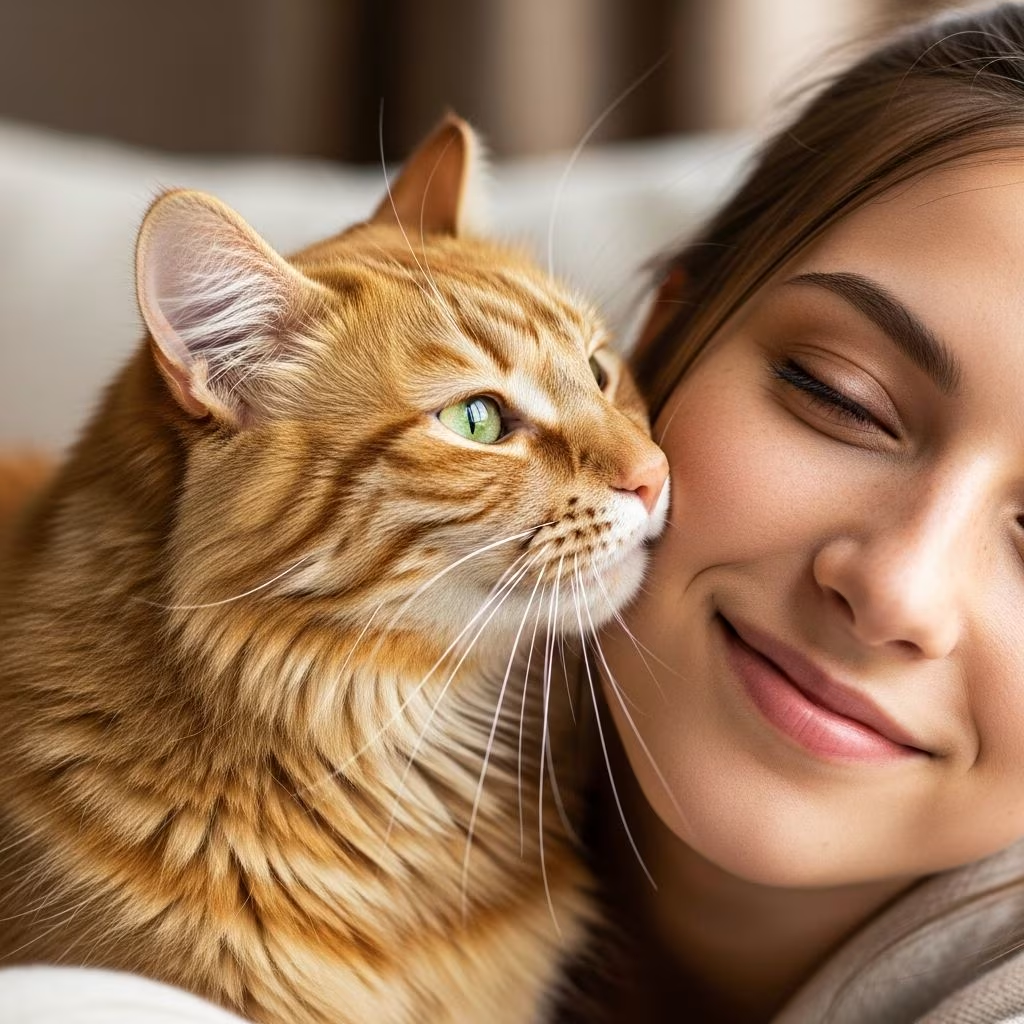
Cats have a reputation for being aloof, but nothing could be further from the truth. These enigmatic felines express love in subtle, nuanced ways that differ from boisterous dog displays. Understanding **how cats show affection** reveals the depth of their bonds with humans. From slow blinks to gentle headbutts, cats communicate trust and adoration through body language, vocalizations, and behaviors rooted in their instincts.
This guide explores the primary ways cats demonstrate love, drawing from veterinary and behavioral experts. Recognizing these signs strengthens your relationship, helping you reciprocate in ways your cat understands. Whether it’s a purr during cuddles or a tail curl around your leg, these gestures mean “I love you” in cat language.
Understanding Cat Affection: Subtle Signs of Love
Cats are descendants of solitary wild felines, yet domestication has fostered social behaviors. Affectionate displays often mimic kitten-mother interactions or colony bonding. Key indicators include proximity-seeking, scent-marking, and vulnerability displays. Context matters—tailored eye contact or relaxed postures signal safety in your presence.
Unlike overt enthusiasm, cat love is understated. A cat that follows you room-to-room or sleeps nearby feels secure, exploring freely because you’re non-threatening. Building trust through consistent care amplifies these behaviors.
1. The Slow Blink: A Cat Kiss
One of the most direct ways **cats show affection** is the slow blink, often called a “cat kiss.” Your cat half-closes its eyes, blinks slowly, and holds your gaze with relaxed eyelids. This mirrors how cats signal non-threat to trusted companions.
Veterinarians note cats reserve direct eye contact for loved ones, as prolonged stares can seem aggressive to felines. Reciprocate by slow-blinking back—studies show this builds rapport. A 2020 study from the University of Sussex found slow blinks increased positive responses from cats, confirming it’s a trust gesture.
If your cat initiates this, it’s saying, “I trust you completely.” Combine with soft vocalizations for extra affection.
2. Headbutting and Cheek Rubbing: Scent Marking Love
Headbutts (bunting) and cheek rubs deposit pheromones from facial glands, claiming you as family. Learned in kittenhood, these reinforce bonds in social groups.
When a cat butts your head or rubs cheeks on your legs, it’s mingling scents—”You’re mine, and I love you.” Blue Cross experts emphasize this as seeing you as colony kin. Respond by offering your hand for rubbing, avoiding overwhelming pets.
- Frequency: Daily in bonded cats.
- Bonus: Often precedes grooming or purring.
3. Purring: The Sound of Contentment
Purring vibrates at 25-150 Hz, linked to healing and bonding. While associated with pleasure, cats also purr when stressed, but affectionate purring occurs during close contact like stroking.
Listen for deep, rhythmic purrs when petting—it’s “I love this bonding time.” PetMD lists it among top love signs, as cats vocalize affection selectively.
4. Kneading (Making Biscuits): Nostalgic Affection
Kneading paws mimics suckling from mother, evoking comfort. Adult cats knead blankets or laps of trusted humans, eyes half-closed in bliss.
This vulnerability display means profound trust. Gently stroke during kneading to enhance the moment, but trim claws to prevent scratches.
5. Grooming and Licking: Ultimate Bonding
Cats groom to bond and hygiene. Licking you mingles scents, treating you as family. Allowing brushing shows comfort.
Watch for over-stimulation signs like tail swishing. Mutual grooming sessions deepen ties.
6. Showing the Belly: Supreme Trust
Exposing the belly is risky—cats protect it fiercely. A relaxed rollover signals safety.
Caution: Don’t rub; admire instead. PetMD warns it may trigger defensive bites.
7. Tail Signals: Upright Joy
An upright tail with a hook resembles a question mark, greeting loved ones happily. Gentle swishes or leg-wrapping express delight.
Rattling tails at doors mean excitement. Context distinguishes from marking.
8. Following You Around: Shadow Companion
Cats trailing you indicate comfort—your presence encourages exploration. It’s subtle security.
9. Greeting Rituals at the Door
Leg-weaving, meowing, tail-rattling welcomes show missing you. Check needs post-greeting.
10. Sleeping Near or On You
Sleeping vulnerably nearby means ultimate trust. Honor by minimizing disturbances.
11. Trilling and Chirping: Vocal endearments
Short peeps or trills greet favorites fondly.
12. Gentle Nibbles: Love Bites
Soft nips mimic play-affection; discourage hard bites.
Body Language Cues Summary
| Behavior | Meaning | Source |
|---|---|---|
| Slow Blink | Trust/Kiss | |
| Headbutt | Scent Bond | |
| Upright Tail | Happy Greeting | |
| Belly Show | Deep Trust |
Frequently Asked Questions (FAQs)
Do all cats show affection the same way?
No, personalities vary. Shy cats may prefer distant signs like slow blinks, while bold ones knead openly.
Why does my cat bite when showing love?
Love bites stem from play; redirect with toys if too rough.
Can I train my cat to be more affectionate?
Encourage through play, treats, and reciprocating blinks, but respect their nature.
What if my cat doesn’t do these?
New cats need time; consult vets for health issues mimicking aloofness.
Is purring always affection?
Often, but check context—pain purrs are higher-pitched.
References
- Understanding Cat Behavior: What Your Feline Friend Is Trying to Tell You — Cat and Craft Cafe. 2023. https://www.catandcraftcafe.com/understanding-cat-behavior-what-your-feline-friend-is-trying-to-tell-you
- How Do Cats Show Affection? — Purina US. 2024-08-14. https://www.purina.com/articles/cat/behavior/understanding-cats/how-do-cats-show-affection
- How to Tell If Your Cat Loves You — Blue Cross. 2024-08-14. https://www.bluecross.org.uk/advice/cat/behaviour-and-training/how-to-tell-if-your-cat-loves-you
- Does My Cat Love Me? Here’s How To Tell — PetMD. 2024. https://www.petmd.com/cat/behavior/does-my-cat-love-me



