

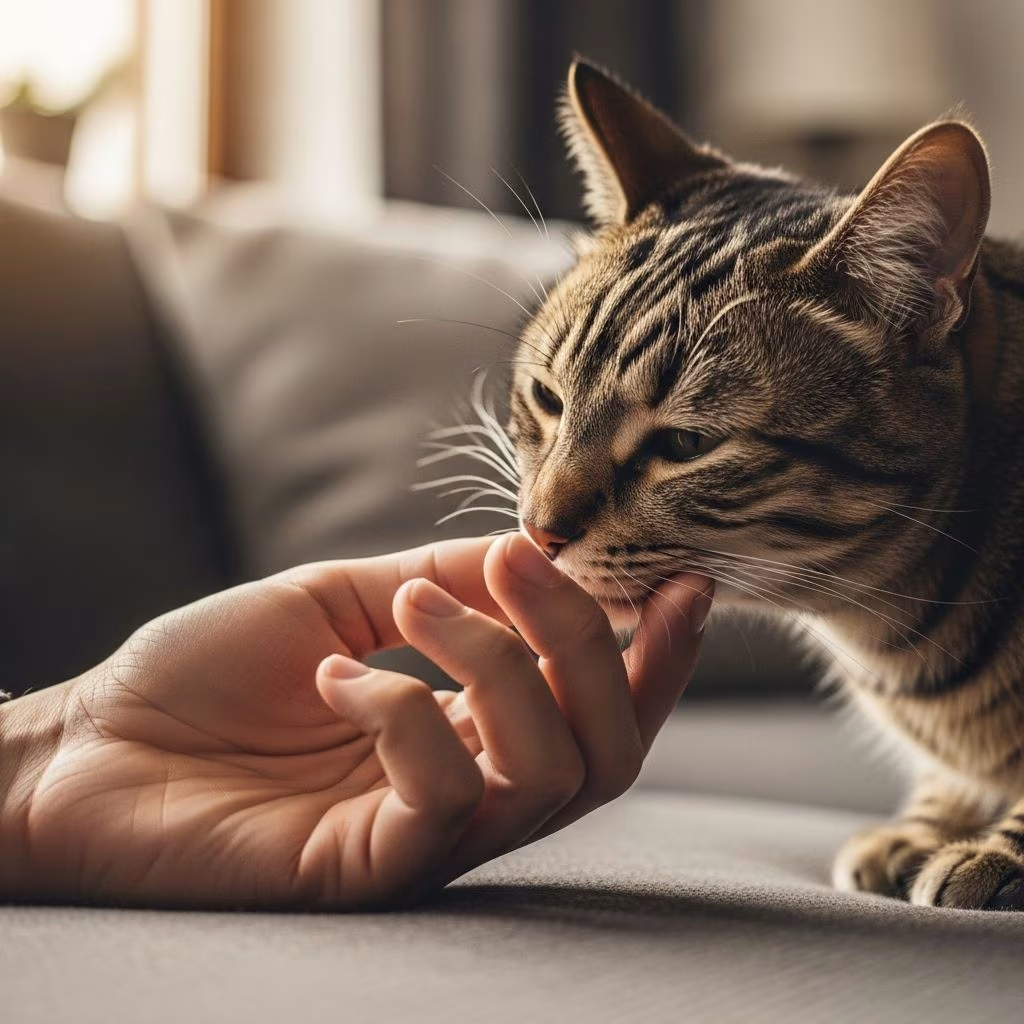
How Do Cats Say Sorry? Understanding Feline Apologies
If you’ve ever wondered whether your cat feels guilty after knocking something off your nightstand or scratching your favorite furniture, you’re not alone. Many cat parents question whether their feline companions experience remorse and, if so, how they express it. While cats don’t apologize in the traditional human sense—they won’t offer verbal apologies or bring you flowers—they do have unique ways of trying to make amends when they sense they’ve upset you. Understanding these behaviors can deepen your relationship with your cat and help you recognize when they’re attempting to reconnect after a conflict.
Do Cats Actually Feel Guilt or Remorse?
The question of whether cats genuinely feel guilt is more nuanced than a simple yes or no. Research suggests that cats don’t experience guilt or remorse in the way humans do, which involves moral reasoning and understanding right from wrong. However, this doesn’t mean your cat is completely indifferent to your emotions. Studies have shown that cats are sensitive to your vocal tone, facial expressions, and overall demeanor. When you’re upset, your cat can detect this through your body language and tone of voice, prompting them to adjust their behavior accordingly.
What’s particularly interesting is that cats don’t necessarily understand they’ve done something wrong from a moral standpoint. Instead, they recognize that their actions have caused you to become unhappy or tense. This distinction is important: your cat isn’t apologizing because they’ve grasped the ethical implications of their behavior, but rather because they prefer you to be in a positive state and want to restore harmony in your relationship. In essence, cats are motivated by comfort and avoiding discomfort rather than by moral or ethical reasoning.
How Cats Try to Apologize: Key Behaviors to Recognize
Cats communicate their desire to make amends through a variety of subtle behaviors. Learning to recognize these signals can help you understand what your cat is trying to communicate.
Slow Blinking and Eye Contact
One of the most meaningful ways cats apologize is through slow blinking. When your cat slowly closes and opens their eyes while looking directly at you, they’re essentially sending what researchers call “cat kisses.” Studies have demonstrated that cats are more likely to approach someone who blinks slowly at them, and they often reciprocate the gesture. If your cat slow blinks at you after misbehaving, it’s their way of expressing trust and attempting to reconnect emotionally. This behavior is deeply rooted in feline communication and represents a significant gesture of affection and reconciliation.
Head Bunting and Rubbing
When your cat rubs their head against you, they’re engaging in a behavior known as bunting. This action isn’t just about scent marking; it’s a genuine expression of affection and bonding. Cats perform this behavior with family members they trust and love. If your cat head bunts you shortly after an incident that upset you, they’re likely attempting to repair the relationship and reaffirm their bond with you. The fact that they choose to physically approach you and initiate contact demonstrates that they value your connection and want to restore harmony.
Grooming and Licking
Cats groom each other as a bonding activity within their social groups. When your cat licks your hand, face, or other parts of your body, they’re treating you as a member of their family. If your cat begins licking you after an argument or incident, it’s a form of social reconciliation and an attempt to reestablish trust. This grooming behavior is particularly significant because cats are naturally independent and selective about physical contact, making their choice to groom you a meaningful gesture of apology and affection.
Following You Around (Shadowing)
If your cat suddenly becomes your shadow, following you from room to room after a conflict, they may be attempting to apologize. Cats typically only shadow people they trust deeply, and this behavior intensifies when they sense tension. Your cat might trot at your heels, rub against your legs, and meow persistently, essentially checking to make sure you’re still on good terms. This constant proximity is their way of saying, “I don’t like the distance between us. Let’s be okay again.”
Purring and Kneading
Purring is often associated with contentment and comfort, but it can also indicate an attempt at reconciliation. The intensity of a cat’s purring can convey the depth of their desire to reconnect with you. Additionally, kneading—the rhythmic pushing motion cats make with their paws—is a behavior that originates from kittenhood when they would knead their mother while nursing. When an adult cat kneads after misbehaving, they may be seeking both your comfort and offering a silent apology. This behavior demonstrates vulnerability and a return to a state of dependency on you.
Showing Their Belly
The belly is the most vulnerable part of a cat’s body, and exposing it requires tremendous trust. If your cat shows you their belly after causing trouble, they’re demonstrating vulnerability and admission of their mistake. This behavior indicates that your cat feels safe enough to expose their most sensitive area to you, representing a significant act of trust and reconciliation. Showing the belly can be interpreted as your cat’s way of saying, “I trust you, and I want to make things right.”
Bringing You Gifts
While receiving a dead mouse or bird from your cat might seem unsettling, it’s actually their way of attempting to apologize. In your cat’s mind, sharing their hunt with you is a form of generosity and bonding. If your cat brings you a “gift” after destroying your furniture or engaging in unwanted behavior, they may be attempting to make amends in their own unique way. This quirky behavior essentially says, “I’ve done something you didn’t like, but here’s something valuable to me—we’re okay, right?”
Approaching with an Upright Tail
When your cat approaches you with their tail held high and relaxed, they’re signaling a desire for interaction and connection. This body language indicates openness and friendliness, especially if displayed after a conflict. The upright tail is an invitation to engage, and combined with other apologetic behaviors, it’s a clear sign that your cat is attempting to repair the relationship.
How to Respond When Your Cat Apologizes
Understanding your cat’s apology is only half the battle; knowing how to respond appropriately is equally important for strengthening your relationship.
Speak in a Calm, Soft Tone
When your cat approaches you after misbehaving, respond with a calm and gentle voice. Cats recognize your voice and respond to your vocal cues, particularly noticing when your tone shifts from angry or tense to friendly and soothing. Speaking softly helps your cat understand that you’re no longer upset and that you’re ready to reconnect.
Slow Blink Back at Them
If your cat slow blinks at you, reciprocate the gesture while maintaining soft eye contact. This non-verbal communication tells your cat that you accept their apology and that you’re on good terms. The exchange of slow blinks is a powerful way to communicate forgiveness in your cat’s language rather than imposing your own communication style.
Offer Treats and Positive Reinforcement
Offering your cat their favorite treats while speaking in a soft voice helps create positive associations and demonstrates that you’re truly sorry for any tension that occurred. Treats serve as a tangible way to show your cat that you’ve moved past the incident and that your relationship is strong. This approach also provides positive reinforcement, encouraging your cat to continue seeking reconciliation in healthy ways.
Engage in Gentle Petting
Pet your cat gently in areas they enjoy, such as under the chin or along the cheeks. Avoid forcing interaction or being overly enthusiastic, as this can overwhelm your cat. Instead, let them guide the interaction and respond to their cues about how much physical contact they desire.
Avoid Kissing or Hugging
While it might be tempting to show affection through kisses or tight hugs, many cats find this type of contact uncomfortable or overwhelming. Respect your cat’s preferences for physical interaction, and stick to petting and other forms of contact that they clearly enjoy. This demonstrates that you understand and respect their boundaries, which strengthens trust.
Reading Your Cat’s Body Language: Signs of Forgiveness
How can you tell if your cat has genuinely forgiven you or if they’re still upset about a conflict? Pay attention to these body language signals:
- Relaxed ears: Ears in a natural, forward-facing position indicate comfort and relaxation.
- Relaxed body posture: Loose muscles and easy movements suggest your cat is comfortable in your presence.
- No signs of fear or anxiety: Your cat should show no hesitation about being near you or interacting with you.
- Approaching you voluntarily: If your cat seeks you out and initiates contact, this is a strong sign of forgiveness.
- Rubbing against you: This behavior indicates affection and trust.
- Purring and sleeping near you: These are clear signs that your cat feels comfortable and has moved past the incident.
Conversely, if your cat tucks their tail, holds it down, or flattens their ears when you’re nearby, they may still lack trust or feel anxious in your presence. These signs suggest that your cat hasn’t fully forgiven you yet, and you may need to continue demonstrating your care and understanding.
The Science Behind Cat Apologies
While cats may not understand apologies in the human sense, animal cognition research reveals that they are far more emotionally intelligent than many people assume. Cats are sensitive to changes in your vocal tone and can distinguish between friendly, happy voices and angry or tense ones. This sensitivity allows them to detect when you’re upset and motivates them to change their behavior to restore peace.
It’s important to recognize that your cat’s apologetic behaviors are not driven by moral reasoning but rather by their genuine desire to maintain a positive relationship with you. Cats value their connections with their humans despite their reputation for independence and aloofness. In many cases, when a cat senses you’re upset, their love and need for your approval override their naturally self-centered nature, motivating them to seek reconciliation.
Building Stronger Relationships Through Understanding
By recognizing and appropriately responding to your cat’s attempts at apology, you create a positive feedback loop that strengthens your bond. Your cat learns that they can repair conflicts through affection and reconciliation, and you learn to appreciate the subtle ways your feline friend communicates emotion and care.
Remember that every cat is unique, and not all cats will display the same apologetic behaviors. Some cats are naturally more demonstrative, while others are more reserved. Pay attention to your individual cat’s personality and preferences, and develop a unique communication style that works for both of you. By doing so, you’ll create a deeper, more meaningful relationship with your feline companion.
Frequently Asked Questions (FAQs)
Q: Can cats feel guilt like humans do?
A: No, cats don’t experience guilt in the way humans do. However, they can sense when you’re upset and may adjust their behavior to restore harmony, not necessarily because they understand they’ve done something morally wrong, but because they prefer you to be happy.
Q: What does a cat’s slow blink mean?
A: A slow blink is a sign of deep trust and affection in cat communication. When your cat slow blinks at you, they’re expressing love and comfort. If your cat does this after misbehaving, it can be interpreted as an attempt to apologize and reconnect.
Q: How long does it take for a cat to forgive you?
A: The time it takes varies depending on the individual cat and the severity of the incident. Most cats are relatively quick to forgive, especially if you respond calmly and show them affection. Watch for signs like approaching you, purring, and relaxed body language.
Q: Is it okay to punish a cat for misbehavior?
A: Traditional punishment is generally ineffective with cats and can damage your relationship. Instead, use positive reinforcement and redirect unwanted behavior. Focus on creating a calm environment and responding to your cat’s attempts at reconciliation with understanding and care.
Q: What should I do if my cat keeps misbehaving after seeming to apologize?
A: If your cat repeatedly engages in the same unwanted behavior, consider whether there’s an underlying issue like boredom, stress, or a medical problem. Provide appropriate outlets for their energy, environmental enrichment, and consult with your veterinarian if the behavior persists.
References
- How Cats Apologize to Their Cat Parents — Feline Fanatics. April 6, 2025. https://www.youtube.com/watch?v=dUOqxUlN1EM
- Do Cats Feel Guilt or Remorse? — PetMD. https://www.petmd.com/cat/behavior/do-cats-feel-guilt-or-remorse
- How Do Cats Apologize to Humans? And How to Respond — YouTube. https://www.youtube.com/watch?v=gD4rSrQaZa0
- How Cats Apologize to Us and Each Other — Way of Cats. https://www.wayofcats.com/blog/how-cats-apologize/66113



