

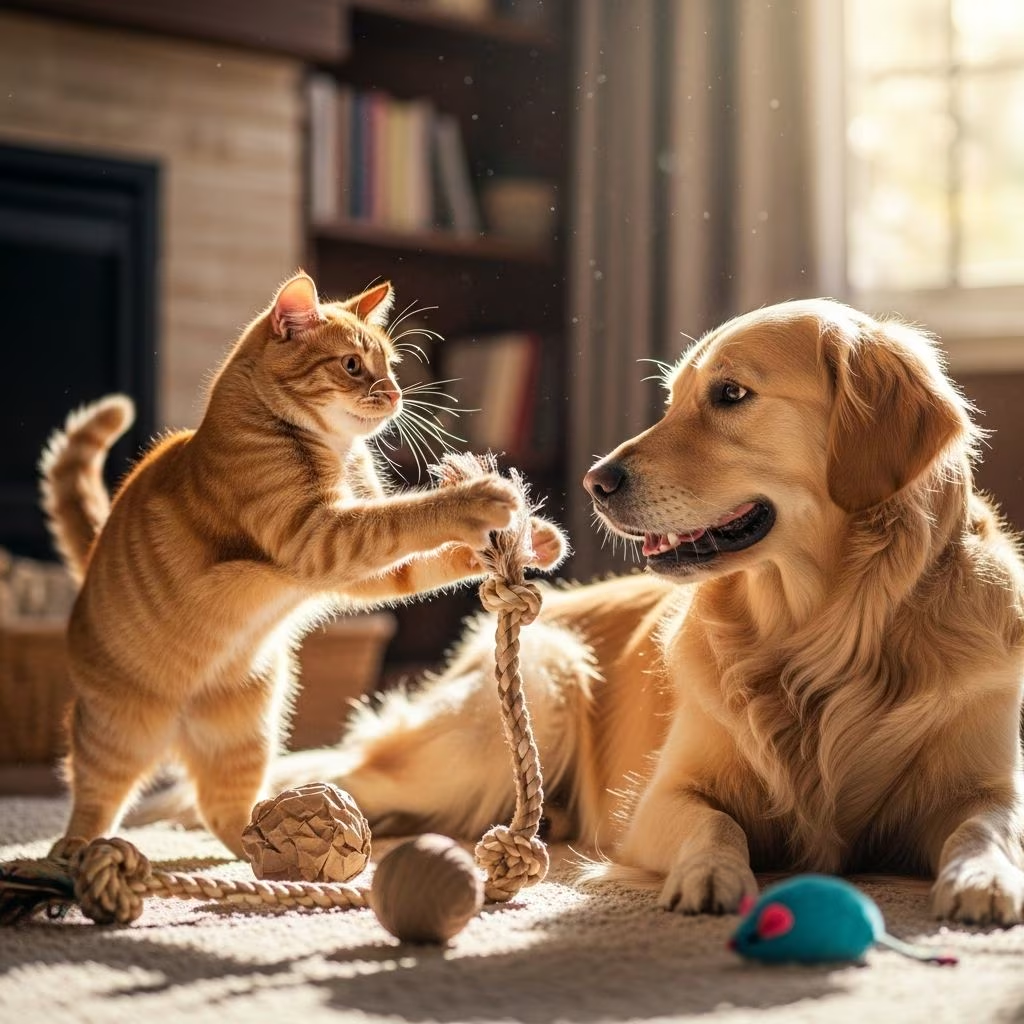
In multi-pet households, witnessing cats and dogs engage in playful interactions can be both heartwarming and puzzling. Cats and dogs communicate differently, yet through play, they often bridge this gap, forming unlikely friendships. This article delves into the nuances of how cats play with dogs, drawing from animal behavior insights to help pet owners encourage safe, enjoyable interactions.
Can Cats and Dogs Play Together?
Yes, cats and dogs can absolutely play together, especially when introduced properly and socialized from a young age. Play serves as a ‘translation mechanism’ between species, allowing them to respect boundaries while enjoying mutual engagement. Research indicates that nearly 70% of mixed-species households experience positive interactions, highlighting the potential for harmony.
Play benefits both animals by providing mental stimulation, physical exercise, and stress relief. For dogs, it builds coordination and confidence; for cats, it taps into hunting instincts. Early socialization fosters emotional resilience and reduces anxiety, making play a cornerstone of healthy pet development.
Understanding Cat and Dog Play Signals
Recognizing play signals is crucial to ensure interactions remain fun. Dogs often use a ‘play bow’—front legs down, rear end up—with a wagging tail to invite play. Cats may mirror this, roll on their backs, or use gentle pawing with relaxed ears and tail.
- Dog play signals: Play bow, loose wagging tail, bouncy movements, occasional growls or barks (meta-signals indicating fun).
- Cat play signals: Silent stalking, pouncing, batting paws softly, upright tail, dilated pupils during excitement.
Misinterpreting these can lead to tension. Dogs might see a cat’s swatting as playful, while the cat feels threatened by a dog’s enthusiastic chase. Supervised sessions with rewards for calm behavior help pets learn each other’s cues.
Differences in How Cats and Dogs Play
Cats and dogs approach play distinctly due to their evolutionary backgrounds. Dogs are pack-oriented, enjoying chase, tug-of-war, and group romps. Cats, more solitary hunters, prefer ambush-style games like stalking and pouncing.
| Aspect | Cats | Dogs |
|---|---|---|
| Play Style | Silent, predatory (stalk, pounce) | Vocal, social (chase, wrestle, bow) |
| Communication | Body language, subtle twitches | Barks, growls, exaggerated bows |
| Energy Level | Short bursts, then rest | Sustained activity |
| Preferred Toys | Feather wands, laser pointers | Balls, ropes for fetch/tug |
These differences mean play often involves compromise: a dog might slow down for a cat’s burst energy, while the cat learns to tolerate enthusiastic approaches.
Play vs. Aggression: Key Signs to Watch
Distinguishing play from fights prevents injuries. Playful sessions feature relaxed postures, take-turns, and voluntary re-engagement. Aggression shows tension, one-sided pursuit, and avoidance.
Signs of Playful Interaction
- Relaxed body: Loose wiggles, play bows, rolling over.
- Reciprocal actions: Both animals initiate and respond equally.
- Breaks: Pets pause, then resume voluntarily.
- Happy expressions: Open mouths (dog ‘smile’), slow blinks (cat approval).
Signs of Aggression or Fear
- Dog: Stiff tail high/thrashing, intense stare, hard bites, pinning the other pet.
- Cat: Hissing, flattened ears, swatting with claws out, hiding/running away persistently.
- Both: Growling escalates, fur raised, one animal cowers or flees without return.
If vocalization increases (cats rarely vocalize in true play), intervene immediately. Hiding or cowering signals fear, disrupting household peace.
Benefits of Cats and Dogs Playing Together
Encouraging play yields multifaceted advantages. Physically, it promotes fitness—dogs build endurance, cats sharpen agility. Mentally, interactive games prevent boredom, reducing destructive behaviors like chewing or excessive meowing.
- Socialization: Early exposure builds confidence, easing future introductions.
- Bonding: Shared play strengthens human-pet and inter-pet ties.
- Stress Relief: Play acts as an outlet, fostering emotional balance.
- Behavioral Health: Well-socialized pets show better appetite, sleep, and responsiveness to training.
In mixed homes, play reduces territorial disputes, creating a more harmonious environment.
How to Encourage Safe Play Between Cats and Dogs
Fostering play requires patience and structure. Start with separate spaces, swapping scents via blankets. Gradually allow supervised visual contact, rewarding calm behavior with treats.
- Controlled Introductions: Use baby gates; progress to leashed meetings.
- Daily Sessions: 10-15 minutes twice daily, rotating toys for novelty.
- Positive Reinforcement: Praise and treats for gentle interactions.
- Provide Escape Routes: High perches for cats, safe zones for both.
- Monitor and Train: Enroll in obedience classes if dominance emerges.
For adults, go slower—use pheromone diffusers or consult vets for anxiety aids. Puzzle toys bridge solo play needs during integration.
Tips for Multi-Pet Households
Success in cat-dog homes hinges on equity. Ensure each pet has personal resources: separate beds, litter boxes, feeding stations to avoid competition.
- Exercise individually first to burn excess energy.
- Rotate play partners if tensions rise.
- Watch for bullying; intervene early with training.
- Enrich environments: Cat trees for vertical space, dog agility setups.
Professional help from trainers or behaviorists is invaluable if issues persist.
Common Myths About Cats and Dogs Playing
Myth 1: Cats and dogs always fight. Reality: With proper intros, most coexist peacefully.
Myth 2: Play growls mean aggression. Reality: Vocal play signals fun in dogs; cats stay quiet.
Myth 3: Older pets can’t learn to play. Reality: Patient socialization works for adults too.
Frequently Asked Questions (FAQs)
What if my cat hisses at the dog during play?
Hissing can be a reaction to new stimuli, not always aggression. Monitor for escalation; separate if ears flatten or claws emerge. Gradual exposure often resolves this.
How long should cat-dog play sessions last?
Keep to 10-15 minutes, watching for fatigue. Short bursts match cat energy, preventing overstimulation.
Can puppies and kittens play more easily?
Yes, young animals adapt quickly through innate playfulness, making interspecies bonds form naturally.
What toys promote cat-dog play?
Interactive ones like feather wands for cats or soft balls for dogs. Supervised shared toys build positive associations.
When to call a vet or trainer?
If hiding, injury, or persistent aggression occurs. Early intervention prevents chronic issues.
Understanding and nurturing cat-dog play enriches lives in multi-pet homes. By decoding signals and providing guidance, owners can turn potential rivals into playful pals, ensuring joy for all.
References
- Why Do Dogs Play With Cats — WagWalking. 2023-05-15. https://wagwalking.com/behavior/why-do-dogs-play-with-cats
- The Ultimate Guide to Cats and Dogs Living Together — Freak on a Leash Dog Training. 2024-02-20. https://freakonaleashdogtraining.com/when-two-worlds-collide-cats-and-dogs/
- How Pets Play, Why Cats Play, and What Dog Play Means — Amy Shojai. 2023-11-10. https://amyshojai.com/how-pets-play/
- Paws, Play, and Purrs: Why Socialization and Playtime Are Essential — Dog Cat Ranch. 2024-08-05. https://dogcatranch.com/paws-play-and-purrs-why-socialization-and-playtime-are-essential-for-dogs-and-cats/
- Cat and Dog Play: Understanding and Encouraging Harmonious Interactions — UAH Pet. 2024-01-12. https://www.uahpet.com/blogs/post/cat-and-dog-play-understanding-and-encouraging-harmonious-interactions



