

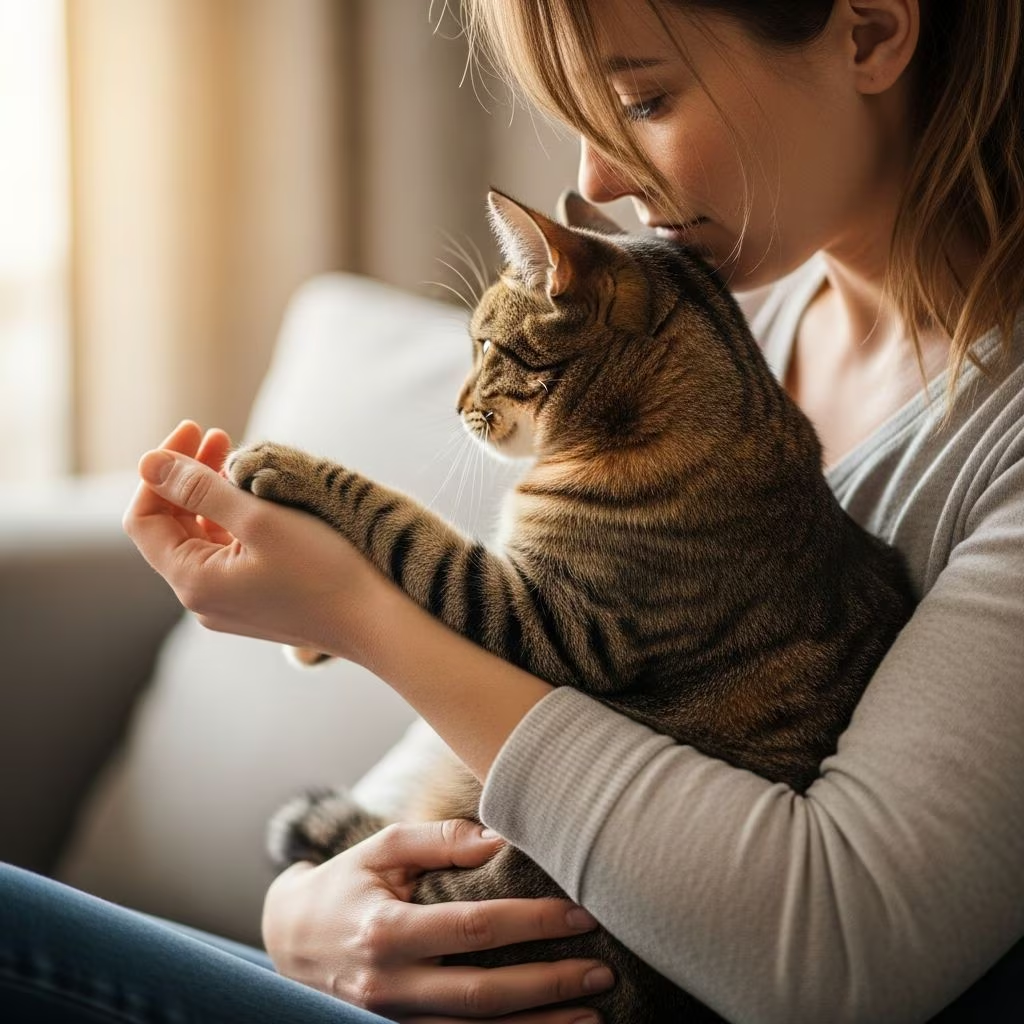
Cats are independent creatures with unique preferences for physical affection, and understanding **how cats like to be held** can strengthen your bond while preventing stress or scratches. Unlike dogs, most cats do not naturally enjoy being picked up, as it removes their sense of control and security, but with the right approach, many can learn to tolerate or even enjoy it.
This comprehensive guide covers feline body language, proper holding techniques, common pitfalls, and training tips to make handling a positive experience. Whether your cat is a cuddle bug or a reluctant lap warmer, respecting their boundaries is key to fostering trust.
Do Cats Like to Be Held?
Not all cats enjoy being held, and that’s perfectly normal. In the wild, cats rarely pick each other up; they express affection through rubbing, grooming, and close proximity rather than restraint. Being lifted off the ground can feel like a loss of control or even a threat, triggering instincts as prey animals despite their predatory nature.
Breeds like Ragdolls and Ragamuffins are often more tolerant due to selective breeding for docile temperaments, but even they have individual preferences. Factors influencing a cat’s liking for being held include past experiences (e.g., vet visits involving restraint), personality, and socialization. A sudden aversion in a previously cuddly cat may signal pain or illness, warranting a vet check.
- Individual variation: Some cats flop happily in arms; others prefer perches they choose themselves.
- Natural instincts: Holding mimics restraint, which cats associate with vulnerability.
- Positive exceptions: Well-socialized cats may enjoy short sessions if done correctly.
Signs Your Cat Likes (or Dislikes) Being Held
Reading your cat’s **body language** is crucial to gauge their comfort. Positive signs indicate relaxation and trust, while stress signals mean it’s time to release them immediately.
Signs Your Cat Enjoys Being Held
- Purring deeply with eyes half-closed or fully shut.
- Rubbing head against you or kneading with paws.
- Relaxed tail tip twitching gently or held low.
- Leaning into your touch without tensing muscles.
- Slow blinking as a sign of contentment and trust.
Signs Your Cat Dislikes Being Held
- Ears flattening backward or twitching rapidly.
- Tail lashing side-to-side aggressively.
- Dilated pupils and wide-eyed stare.
- Struggling, scratching, or biting attempts.
- Whiskers fanned out or stiff body posture.
Always prioritize these cues over assumptions. Forcing a hold on a stressed cat erodes trust and can lead to fear-based aggression.
How to Pick Up a Cat Properly
The correct technique ensures safety for both you and your cat. Approach calmly from the side or front, never from above, to avoid startling them.
- Prepare: Ensure hands are clean and scent-neutral; cats rely heavily on smell for trust. Offer a finger for sniffing first.
- Support the chest: Slide one hand under the chest, fingers between front legs, letting forepaws rest on your forearm.
- Secure the hindquarters: Use the other hand to scoop under the rump, supporting the back legs fully—no dangling tails or limbs.
- Lift smoothly: Rise slowly, keeping the cat close to your body for stability.
- Hold duration: Start with 5-10 seconds, releasing before discomfort shows.
Avoid scooping abruptly, as it feels disrespectful or predatory. In unsafe environments, secure front legs gently against the body while cradling the rear.
Best Ways to Hold a Cat
Different holds suit various situations and cat personalities. Here’s a comparison:
| Hold Type | Description | Best For | Pros | Cons |
|---|---|---|---|---|
| Football Hold | Cat tucked under arm like a football, head out, tail secured. | Uncooperative or wiggly cats. | Secure restraint; good for short transport. | May feel confining for relaxed cats. |
| Craddle Hold | Supported on chest/arm, forepaws on forearm, hind on hand. | Calm, trusting cats. | Feels natural; promotes bonding. | Not for escape risks. |
| Pit Stop Hold | Quick lift with hands on sides, minimal air time. | Training reluctant cats. | Builds tolerance gradually. | Short duration only. |
Most cats prefer positions where all feet have contact points and they can see forward. Never hold on the back like a baby—claws face your face, risking injury.
Cuddling Positions Cats Love
Once picked up, transition to these comfy positions:
- Over the arm: Draped belly-down over forearm, head elevated.
- Snuggle against chest: Tucked under chin, paws on chest.
- Perch on shoulder: For adventurous cats who like heights.
- Lap loaf: Not held, but a precursor—let them settle voluntarily.
Combine with gentle strokes on cheeks or base of tail, areas with scent glands for bonding.
Common Mistakes When Holding Cats
Avoid these pitfalls to prevent fear or injury:
- Dangling limbs: Always fully support body to avoid strain.
- Prolonged holds: Cats tire quickly; keep under 1 minute initially.
- Forced interaction: Never hold for guests or other pets—highly stressful.
- Picking up upset cats: Give space first; use towels if necessary.
- Overhead approach: Mimics predator attack.
- Rough release: Gently place down to maintain positive associations.
How to Train Your Cat to Enjoy Being Held
Patience and positive reinforcement work wonders. Progress gradually:
- Desensitize touch: Pet sides briefly, reward with treats/praise.
- Add pressure: Hands under belly, lift slightly off surface.
- Full lifts: Short air time (2-3 seconds), immediate release and reward.
- Build duration: Increase by seconds as tolerance grows.
- Consistency: Daily short sessions; end on a high note.
Use high-value treats and play to associate handling with good things. Scent consistency builds deeper trust.
Why Some Cats Hate Being Held
Beyond instincts, reasons include:
- Past trauma: Vet scruffing or nail trims.
- Personality: Independent or high-energy cats prefer ground control.
- Health issues: Arthritis or pain makes movement uncomfortable.
- Age: Kittens adapt easier; seniors may resist more.
Resist the urge to “tough it out”—it worsens aversion.
Frequently Asked Questions (FAQs)
What if my cat struggles when held?
Place them down gently immediately and try shorter sessions later. Build tolerance gradually with rewards.
Can all cats learn to like being held?
Most can tolerate it with training, but some prefer alternative affection like petting or play.
Is it okay to hold kittens differently?
Yes, support scruff lightly for young kittens, transitioning to full body holds as they grow.
How long should I hold my cat?
Start with 10 seconds, extending only if relaxed; respect their cues.
What if my cat suddenly dislikes being held?
Check for medical issues with a vet, as pain can cause behavior changes.
Final Thoughts on Holding Your Cat
Respecting how cats like to be held builds mutual trust. Focus on quality over quantity—short, positive interactions trump forced cuddles. Observe, adapt, and reward to turn handling into a bonding ritual your cat anticipates.
References
- Why Doesn’t My Cat Like To Be Held? — Dr. Marty Becker, Vetstreet. Accessed 2026. https://www.vetstreet.com/dr-marty-becker/why-doesnt-my-cat-like-to-be-held
- Why Cats Prefer Certain People in the Household and How Scent Memory Plays a Bigger Role Than Affection — Madd Pets and Reptiles. Accessed 2026. https://www.maddpetsandreptiles.co.uk/13-163720-why-cats-prefer-certain-people-in-the-household-and-how-scent-memory-plays-a-bigger-role-than-affection/
- The Proper Way to Pick up and Hold a Cat — Cat Behavior Associates. Accessed 2026. https://catbehaviorassociates.com/the-proper-way-to-pick-up-and-hold-a-cat/
- 7 Reasons Your Cat Thinks You’re Weird — Kinship. Accessed 2026. https://www.kinship.com/cat-behavior/reasons-your-cat-thinks-you-are-weird
- The Most Experienced Cat Owners Are Giving Their Pets Unwelcome Affection — Phys.org. 2022-08. https://phys.org/news/2022-08-experienced-cat-owners-pets-unwelcome.html
- Affection — Cat Friendly Homes. Accessed 2026. https://catfriendly.com/why-does-my-cat/affection/



