

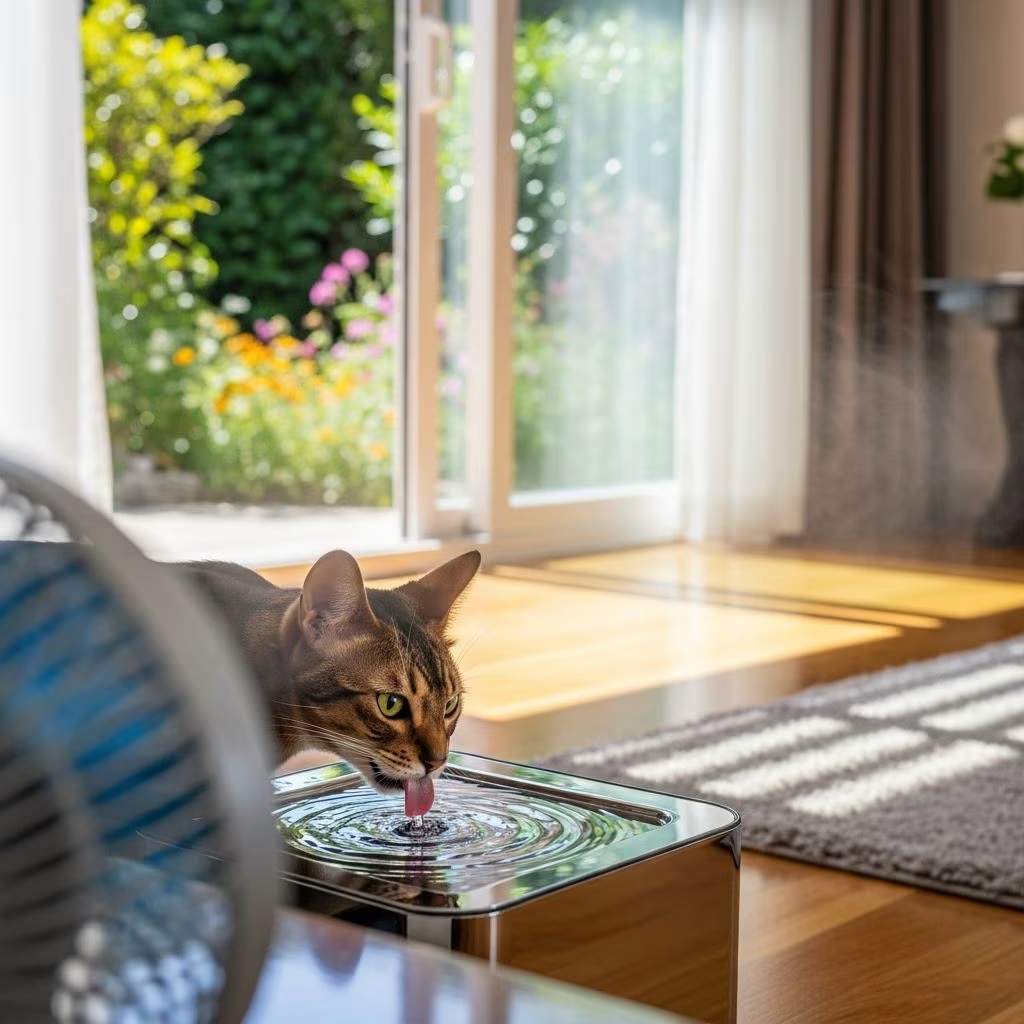
Cats have evolved unique thermoregulation mechanisms to maintain their higher normal body temperature of 100.5–102.5°F (38.1–39.2°C), which is warmer than humans due to their faster metabolism. Unlike people who sweat profusely, cats rely on panting, grooming with saliva evaporation, seeking cool surfaces, and behavioral adjustments to dissipate heat effectively.
How Do Cats Cool Themselves Down Naturally?
Cats employ several primary methods to cool down when temperatures rise. Understanding these helps owners support their pets during hot weather.
- Panting: Cats pant to evaporate moisture from their lungs and airways, releasing excess body heat. This is similar to dogs but less frequent in felines, signaling moderate to severe overheating if prolonged.
- Grooming and Saliva Evaporation: Licking fur spreads saliva, which cools the skin as it evaporates—much like sweat in humans. This is a highly efficient, primary cooling system.
- Seeking Cool Surfaces: Cats stretch out on tile floors, concrete, or shaded spots to transfer heat directly to cooler environments.
- Behavioral Changes: They reduce activity, stretch to increase surface area for heat loss, and lie in shaded or airy areas.
These instincts work together seamlessly, but in extreme heat, human intervention becomes crucial to prevent heatstroke.
Do Cats Sweat?
Cats do sweat, but minimally and ineffectively for major cooling. Sweat glands are limited to paw pads, chin, lips, and sparse hairless areas like around the mouth, teats, or anus. Paw sweating provides slight moisture for traction but doesn’t significantly lower core temperature due to fewer glands and less vascular support compared to humans. Primary cooling shifts to panting and saliva evaporation instead.
Signs Your Cat Is Overheating
Recognizing heat distress early can save lives. Watch for these vet-identified symptoms:
- Excessive Panting: Open-mouth breathing with tongue out, beyond brief episodes.
- Lethargy or Weakness: Reluctance to move, lying flat, or staggering.
- Drooling and Red Gums: Excessive saliva with bright red or pale gums indicating distress.
- Hot Ears and Feet: Warm-to-touch paw pads and ears signal poor heat dissipation.
- Vomiting or Diarrhea: Gastrointestinal upset from overheating.
- Behavioral Changes: Hiding, agitation, or rapid heartbeat.
If noticed, move to a cool area immediately, offer water, and consult a vet if symptoms persist. Heatstroke can escalate to organ failure rapidly.
How to Cool Down an Overheated Cat: Vet-Reviewed Steps
Act swiftly with these evidence-based methods:
- Relocate to Cool Area: Move to air-conditioned space or shade with good airflow.
- Offer Fresh Water: Provide cool (not ice-cold) water; avoid forcing intake.
- Damp Towel Rub-Down: Gently wipe fur, focusing on belly, paws, ears with lukewarm damp cloth for evaporation cooling. Avoid ice to prevent shock.
- Fan or AC: Use fans for air circulation; position safely away from direct blast.
- Monitor Vitals: Check gums (should pinken), respiration; seek emergency vet if no improvement in 10-15 minutes.
| Method | Why It Works | Precautions |
|---|---|---|
| Damp Towel | Evaporation mimics grooming | Room temp water only |
| Fresh Water | Hydration aids internal cooling | Multiple bowls, refreshed often |
| Shaded Rest | Reduces heat absorption | Elevated cool beds best |
How to Keep Your Cat Cool in Hot Weather: 10 Practical Tips
Proactive strategies prevent overheating:
- Multiple Water Stations: Place fresh, cool water bowls in various spots; add ice cubes for chill.
- Cooling Mats: Gel-filled pads absorb body heat; rotate locations.
- Air Conditioning/Fans: Maintain 68-77°F indoors; fans create breeze.
- Shade and Cool Zones: Indoor: tile floors, basements; Outdoor: shaded enclosures.
- Wet Food Diet: High-moisture meals boost hydration over dry kibble.
- Grooming Assistance: Brush long-haired cats to remove insulating undercoat.
- Limit Activity: Play during cooler morning/evening hours.
- Cooling Vests/Towels: Damp bandanas around neck for evaporation.
- Elevated Beds: Keep off warm floors; breathable fabrics.
- Monitor Vulnerable Cats: Seniors, brachycephalics (flat-faced breeds) overheat faster.
These tips, combined with natural behaviors, ensure comfort year-round.
Cat Cooling Products Worth Buying
Invest in these vet-recommended items:
- Cooling Mats: Pressure-activated gel stays cool 30-45 minutes; non-toxic, portable.
- Automatic Fountains: Encourage drinking with running water.
- Elevated Cat Trees/Beds: Airflow beneath prevents heat buildup.
- Chilled Treats: Frozen tuna juice or wet food cubes (supervised).
- Window Perches with Shades: Cool views without direct sun.
Choose durable, pet-safe products from reputable brands.
Breeds Prone to Overheating & Special Considerations
Some cats need extra vigilance:
- Persians, Exotics: Flat faces impair breathing/panting.
- Overweight Cats: Excess fat insulates heat.
- Seniors/Kittens: Poor regulation abilities.
- Long-Haired Breeds: Maine Coon, Siberian—regular grooming essential.
Tailor cooling plans to breed, age, and health.
Frequently Asked Questions
Why is my cat panting in hot weather?
Cats pant to cool via lung evaporation when other methods fail. Brief panting is normal; prolonged needs cooling intervention.
Can I use a fan to cool my cat?
Yes, indirect fan breeze aids evaporation without chilling. Avoid direct high-speed air.
Is ice water safe for overheated cats?
No—ice constricts vessels, worsening shock. Use cool/room-temp water.
How often should I refresh my cat’s water in summer?
Several times daily to keep it cool and enticing.
Do cooling mats really work for cats?
Yes, gel absorbs heat effectively; many cats love them for lounging.
Final Thoughts
By understanding cats’ limited sweating and reliance on panting, grooming, and cool-seeking, owners can prevent heat-related issues. Provide water, shade, airflow, and monitor signs for a healthy, cool kitty all summer.
References
- How cats regulate their body temperature — CatsLove.com. 2023. https://www.catslove.com/en/body-temperature-of-cats
- Beat the Heat: 8 Strategies to Keep Your Cat Cool — VAMVH. 2024. https://vamvh.com/beat-the-heat-8-strategies-to-keep-your-cat-cool/
- How to Reduce Your Cat’s Body Heat: 8 Proven Methods — The Refined Feline. 2024. https://www.therefinedfeline.com/how-can-i-reduce-my-cats-body-heat/
- How Do Cats Cool Down When They Get Hot? — KittyCatGo. 2023. https://kittycatgo.com/how-cats-cool-down-when-hot-avoiding-overheating/
- Do Cats Sweat? — PetMD. 2025-06-15. https://www.petmd.com/cat/general-health/how-do-cats-sweat
- How Do Cats Cool Down? Vet-Reviewed Methods & Signs — Catster. 2025. https://www.catster.com/cat-health-care/how-do-cats-cool-down/



