

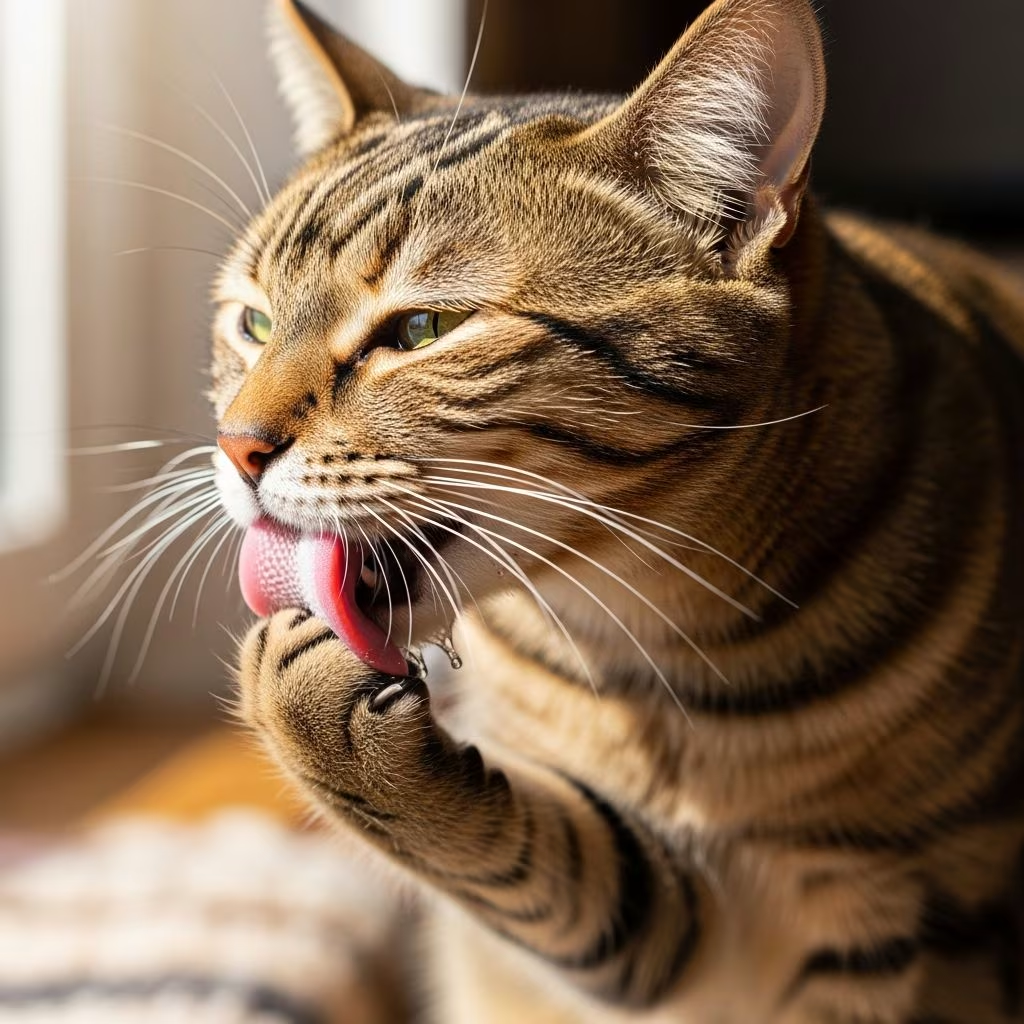
Cats are renowned for their meticulous self-grooming habits, dedicating 30% to 50% of their waking hours to cleaning themselves using their tongues, paws, and remarkable flexibility. This natural behavior keeps their coat healthy, distributes oils, removes debris, and even serves social and stress-relief functions.
How Cats Groom Themselves
Cats primarily groom using two key body parts: their specialized tongues and paws, allowing them to reach nearly every inch of their bodies thanks to their agile flexibility.
Tongue
A cat’s tongue feels prickly due to tiny, backward-facing spines called papillae, which act like a natural comb to pick up loose fur, dirt, debris, and parasites from the skin and coat. These spines, made of keratin, efficiently scrape away dead skin cells and distribute natural oils for a glossy finish, while also stimulating blood circulation to promote healthy skin.
Paws
Cats wet their paws with saliva and then rub them over hard-to-reach areas like the face, head, ears, and around the eyes. This ‘paw washing’ technique effectively cleans sensitive spots the tongue can’t easily access. The combination of licking and paw rubbing ensures comprehensive coverage, from the tip of the tail to the whiskers.
Why Do Cats Groom?
Grooming serves multiple vital purposes beyond cleanliness. It helps regulate body temperature by evaporating saliva during licks, marks territory with scent glands in the paws, reduces parasites, and prevents matting. Psychologically, it’s a self-soothing mechanism that alleviates stress, much like how kittens are licked clean by their mothers post-birth to stimulate bodily functions and bonding.
Regular grooming also minimizes hairball formation by ingesting loose fur, which is later expelled. However, excessive ingestion can lead to issues if not managed.
Normal vs. Abnormal Grooming
While 30-50% grooming time is standard, deviations signal potential health concerns.
Normal Grooming Amounts
- Short sessions multiple times a day, totaling hours of wakefulness.
- Focus on high-friction areas: face, paws, belly, base of tail.
- Balanced with other activities like eating, playing, sleeping.
Signs of Overgrooming (Too Much)
Overgrooming, or psychogenic alopecia, involves bald patches, red skin, or sores from relentless licking or chewing. Causes include stress, allergies, fleas, or pain; it affects up to 10% of cats per veterinary reports.
- Bald spots: Often on flanks, belly, or hind legs.
- Skin irritation: Redness, scabs, or hot spots.
- Behavioral cues: Sudden increase, frantic licking, ignoring food/play.
Consult a vet to rule out parasites, food allergies, or anxiety; treatments may include flea preventives, diet changes, or anti-anxiety aids.
Signs of Undergrooming (Too Little)
Kittens, seniors, obese, or ill cats may neglect grooming, leading to matted fur, dandruff, or odor.
- Mats/tangles: Especially in long-haired breeds.
- Dull coat: Greasy, unkempt appearance.
- Skin issues: Flakes, infections from poor circulation.
Undergrooming signals arthritis, dental pain, obesity limiting reach, or depression.
How to Help Your Cat Groom
Even fastidious cats benefit from human assistance, particularly long-haired, senior, or those with health issues.
1. Bathe When Needed
Cats rarely need baths due to self-sufficiency, but they’re useful for heavy shedding, sticky messes, parasites, or ringworm. Use lukewarm water (3-4 inches in sink/tub), dilute cat-specific shampoo (1:5 ratio), and avoid eyes/ears.
- Acclimate cat with praise/treats.
- Wet thoroughly, lather from neck down.
- Rinse completely to prevent irritation.
- Towel dry, comb tangles; air-dry or low-heat blow-dry.
Tip: Cotton in ears prevents water entry; baths post-shedding stimulate natural grooming.
2. Brush Regularly
Brushing removes loose hair, reduces hairballs, distributes oils, and bonds with your cat. Short-haired: 1-2x/week; long-haired: every few days.
- Tools: Slicker/pin brushes for tangles; bristle for shine; rubber for short fur; wide-tooth comb for mats.
- Technique: Brush in fur direction, head-to-tail; focus on belly, chest, tail. Use talc on stubborn mats.
Introduce slowly: Let cat sniff tools, pair with treats. Wall-mounted brushes aid self-grooming.
3. Trim Nails
Clip sharp tips every 2-4 weeks to prevent scratches and overgrowth.
- Hold paw gently, clip curved tip only (avoid quick).
- Desensitize with spaghetti clips if sound-sensitive.
- Scratching posts maintain natural wear.
4. Clean Ears
Weekly wipe outer ear with cotton/damp cloth; vet for deep cleaning.
5. Dental Care
Periodontal disease affects most cats; brush 2-3x/week with cat toothpaste/brush.
- Massage gums first.
- Apply enzymatic toothpaste to finger brush.
- Gently circle teeth; dental treats/diets supplement.
Special Considerations
Long-Haired Cats
Prone to mats; daily brushing from abdomen up prevents painful tangles.
Seniors & Kittens
Arthritis/obesity limits reach; obesity hinders belly access. Start kittens early for lifelong ease.
Overweight Cats
Weight loss diets restore grooming ability; assist with tools.
| Cat Type | Grooming Frequency | Best Tools | Common Issues |
|---|---|---|---|
| Short-Haired | 1-2x/week | Bristle/rubber brush | Hairballs |
| Long-Haired | Daily/every few days | Slicker comb, de-mat tool | Mats |
| Senior/Obese | Daily assist | Wide comb, gloves | Undergrooming |
Frequently Asked Questions (FAQs)
What percentage of time do cats spend grooming?
Cats dedicate 30% to 50% of waking hours to self-grooming using tongue and paws.
Is my cat grooming too much?
Yes if bald patches, sores, or sudden increases occur; see vet for allergies/stress.
Do cats need baths?
Rarely, but yes for messes/parasites; use cat shampoo, lukewarm water.
How often should I brush my cat?
Short-haired: weekly; long-haired: several times weekly to prevent mats/hairballs.
Why does my cat lick itself excessively at night?
May indicate stress, fleas, or pain; monitor and consult vet if persistent.
Understanding and supporting your cat’s grooming habits ensures a healthy, happy feline. Regular checks catch issues early, promoting longevity and comfort.
References
- Cat Grooming 101: Your Complete Grooming Guide — Pumpkin Pet Insurance. 2023. https://www.pumpkin.care/post/how-to-groom-a-cat
- How Do Cats Clean Themselves? Normal Behavior & Advice (Vet Reviewed) — Catster. 2024. https://www.catster.com/cat-behavior/how-do-cats-clean-themselves-whats-normal/
- Cat Grooming Tips — ASPCA. 2023. https://www.aspca.org/pet-care/cat-care/cat-grooming-tips
- How to Groom a Kitten: Step-By-Step Instructions — Purina. 2024. https://www.purina.com/articles/cat/kitten/health/how-to-groom-a-kitten
- Understanding Your Cat’s Grooming Habits — Hill’s Pet Nutrition. 2023. https://www.hillspet.com/cat-care/behavior-appearance/why-cats-groom-and-lick-themselves



