

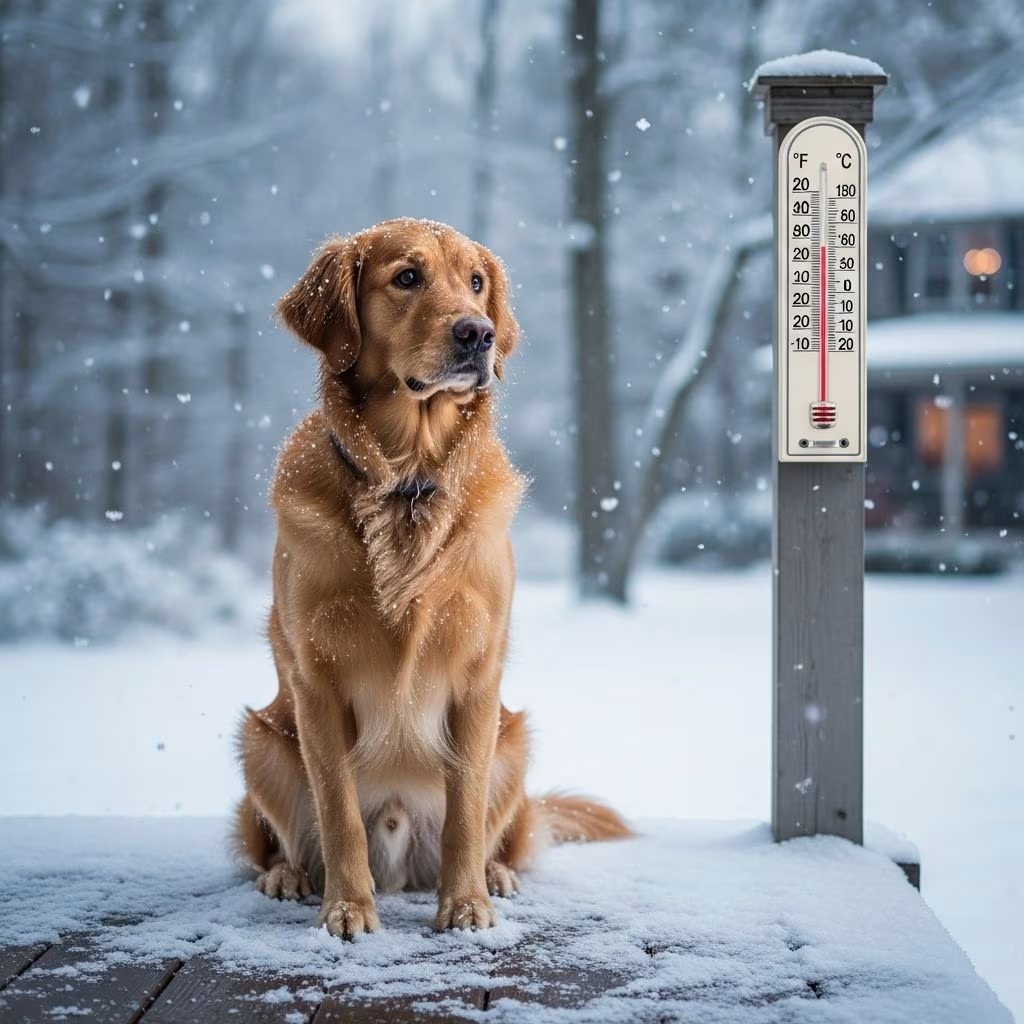
How Cold Is Too Cold for Dogs?
As winter approaches and temperatures begin to drop, pet parents often wonder when it becomes unsafe for their dogs to spend time outdoors. While dogs have fur coats that provide some natural insulation, prolonged exposure to freezing temperatures can pose serious health risks. Understanding the temperature thresholds that are safe for your dog—and recognizing the signs that your pup is getting too cold—is essential for keeping your four-legged friend healthy and comfortable throughout the winter season.
The answer to “how cold is too cold for dogs” isn’t one-size-fits-all. It depends on several factors, including your dog’s breed, age, size, coat type, and individual tolerance for cold weather. However, there are general guidelines that can help you make informed decisions about outdoor time during winter months.
Understanding Safe Temperature Ranges for Dogs
Dogs can begin feeling uncomfortable when temperatures drop between 40 to 50 degrees Fahrenheit. However, the truly dangerous zone for most dogs starts when the thermometer falls below 20 degrees Fahrenheit, at which point even the most cold-tolerant dogs can quickly develop life-threatening conditions like hypothermia and frostbite.
More vulnerable dogs may be at risk starting at 32 degrees Fahrenheit and may feel uncomfortable when temperatures drop below 45 degrees Fahrenheit. Generally, pet parents should limit their dog’s time outdoors when the temperature hits below 35 degrees Fahrenheit. When temperatures reach freezing (32 degrees Fahrenheit or below), dogs would be better off indoors entirely. As a practical rule of thumb, if it’s too cold for you to be outside in your winter wear, it’s probably too cold for your pet to be outdoors for more than a few minutes.
Temperature Guidelines by Severity
| Temperature Range | Safety Level | Recommended Action |
|---|---|---|
| Above 45°F | Safe | Normal outdoor activities allowed |
| 40-45°F | Caution | Monitor your dog; some may feel uncomfortable |
| 32-40°F | Cold | Limit outdoor time; use protective clothing |
| 20-32°F | Very Cold | Short outdoor breaks only; protective gear essential |
| Below 20°F | Dangerous | Keep indoors; serious risk of hypothermia and frostbite |
Factors That Influence Cold Tolerance in Dogs
Not all dogs are created equal when it comes to handling cold weather. Several individual characteristics significantly influence how well a dog can tolerate freezing temperatures.
Breed and Coat Type
Certain dog breeds were specifically developed to thrive in snowy climates. Breeds like Siberian Huskies, Alaskan Malamutes, and Saint Bernards have thick, double coats that provide excellent insulation against the cold. Conversely, breeds with short, thin coats—such as Chihuahuas, Italian Greyhounds, and Greyhounds—struggle significantly in cold weather. Dogs with flat faces, like Bulldogs and Pugs, also have difficulty regulating their body temperature in cold conditions.
Age and Size
Puppies and senior dogs have more difficulty maintaining stable body temperatures than adult dogs in their prime. Small dogs lose body heat more rapidly than larger dogs due to their higher surface-area-to-volume ratio, making them more susceptible to cold-related illnesses. Toy breeds and small breeds are particularly vulnerable to cold stress.
Body Fat and Health Status
Dogs with low body fat have less natural insulation to keep them warm. Additionally, dogs with underlying health conditions, those recovering from illness, or those on certain medications may have compromised thermoregulation abilities and should be kept indoors during cold weather.
Acclimation to Cold Weather
Dogs that have gradually acclimated to colder weather often develop a thicker undercoat and are better equipped to handle the cold. Dogs who are predominantly kept indoors may not have developed this natural adaptation and will require additional protection when venturing into cold weather.
Signs Your Dog Is Getting Too Cold
Your dog cannot tell you when they’re uncomfortable, so it’s crucial to recognize the physical and behavioral signs that indicate your pup is getting too cold. Being vigilant about these warning signs can help you prevent serious cold-related health emergencies.
- Whining or vocalization: Excessive whining or crying is often a sign that your dog is uncomfortable and wants to go inside
- Slowing down or reluctance to move: If your dog seems lethargic or resistant to continuing a walk, they may be too cold
- Shivering: Visible shivering is your dog’s attempt to generate body heat and indicates they need to go inside
- Anxiety or restlessness: Some dogs become anxious or agitated when they’re cold
- Lifting paws repeatedly: Constantly lifting paws off the ground or “dancing” suggests the cold is bothering their feet
- Cold extremities: Check your dog’s ears, nose, and paws; they should be warm to the touch
- Seeking warmth: Your dog may try to burrow under blankets or stick close to you for body heat
- Reluctance to potty: Some dogs will hold their bladder rather than go outside in extreme cold
Cold-Related Health Risks for Dogs
Extended exposure to freezing temperatures can lead to serious health complications in dogs. Two of the most dangerous conditions are hypothermia and frostbite.
Hypothermia
Hypothermia occurs when a dog’s core body temperature drops dangerously low. This life-threatening condition can develop surprisingly quickly in cold weather and requires immediate veterinary attention. Symptoms include excessive shivering, lethargy, confusion, weakness, and difficulty breathing. Severe hypothermia can lead to organ failure and death.
Frostbite
Frostbite affects the skin and tissues of a dog’s extremities, particularly the ears, nose, paws, and tail. Exposed areas freeze, and ice crystals form in the cells, causing tissue damage. While frostbite is not extremely common in pets, it is incredibly painful and can result in permanent damage or loss of the affected area. Dogs most at risk include those left outside unattended and those without adequate protective gear.
How to Keep Your Dog Warm in Winter
The most effective way to ensure your dog stays warm during winter is to limit their time outdoors. However, when nature calls or your pup is desperate for exercise, there are numerous strategies to keep your dog safe and comfortable in cold weather.
Provide Adequate Shelter
If your dog spends any time outdoors, they should have access to a well-insulated dog house. According to the American Veterinary Medical Association (AVMA), no pet should be left outside for long periods in below-freezing weather. Dog houses designed for winter use offer protection from wind and precipitation. Add clean, dry straw as a base, along with blankets and beds that allow for nesting. Ensure the dog house is elevated slightly off the ground to prevent moisture accumulation and positioned in a spot protected from wind.
Dress Your Dog in Winter Gear
A warm dog sweater is beneficial for chilly days, but a wind- and water-resistant dog coat provides the most comprehensive protection from extreme weather. Winter coats and jackets are particularly useful when you’re taking your dog on walks or outdoor playtime. Dogs that have acclimated well to colder weather and have developed a thick undercoat may not require additional layers, but dogs who are predominantly indoors—especially small breeds or those with thin coats—should definitely wear protective clothing in wet or freezing conditions.
Protect Their Paws
Dog boots protect your pup’s feet from multiple winter hazards: the cold, sharp ice, chemicals in ice melt products, and those annoying balls of snow that collect between paw pads. For long-haired dogs, trim down the hair around the paws to prevent ice accumulation. Alternatively, you can apply a paw protection wax directly onto your dog’s paws. These products form a breathable yet dense barrier that protects against salt, cold, and ice buildup. After returning from winter walks, wipe down your dog’s feet, legs, and belly to remove antifreeze, de-icers, and other toxic chemicals they may have contacted.
Use Heated Beds and Self-Warming Pads
Heated beds and self-warming pads designed for pets can provide extra warmth during cold months. Self-warming pads reflect your dog’s own body heat, conserving warmth without requiring external power. If you use heated beds in an outdoor shelter, ensure they are placed safely and that your dog has room to rest outside the bed in case they get too warm. Be cautious with heated beds that require electricity in outdoor settings, as moisture and electrical hazards pose safety concerns. Always check cord quality and ensure the outlet and cord are properly protected.
Maintain Proper Hydration and Nutrition
Cold weather increases your dog’s energy expenditure as they work to maintain body temperature. Ensure your dog has access to fresh, liquid water at all times. In frigid climates where water freezes quickly, check water dishes at least twice daily. Consider using a heated water bowl to prevent freezing, but monitor the electrical cord quality and ensure it cannot be chewed by your dog.
Increase your dog’s food intake slightly during winter months to provide additional calories for heat generation. Consult your veterinarian for specific feeding recommendations tailored to your dog’s age, size, and activity level. A well-nourished dog is better equipped to maintain body temperature and resist cold-related illnesses.
Limit Outdoor Time
Keep walks short when temperatures dip below 32 degrees Fahrenheit. You can maintain normal walk lengths when temperatures are in the 40s and 50s. Bring your dog indoors immediately when the temperature reaches 35 degrees Fahrenheit and below. Remember that even cold-tolerant dogs should not be left outdoors unattended in freezing temperatures.
Special Considerations for Vulnerable Dogs
Certain dogs require extra attention and protection during winter months. Puppies and senior dogs, small breeds, dogs with thin or short coats, breeds with flat faces, dogs with low body fat, and those with health conditions should be closely monitored and have limited outdoor exposure in cold weather. Ideally, these vulnerable dogs should have access to indoor shelter below approximately 50 degrees Fahrenheit, allowing them to choose a warmer environment if they become cold.
Frequently Asked Questions
Q: At what temperature should I stop taking my dog outside?
A: Most dogs should be kept indoors when temperatures reach 32 degrees Fahrenheit or below. However, more vulnerable dogs may need to stay inside when temperatures drop below 45 degrees Fahrenheit. Use your dog’s individual response as a guide, and consult your veterinarian for personalized recommendations.
Q: Can all dogs handle cold weather equally?
A: No, cold tolerance varies significantly based on breed, age, size, coat type, and overall health. Dogs with thick double coats typically handle cold better than those with thin, short coats. Small breeds and puppies are more vulnerable to cold stress.
Q: What should I do if I suspect my dog has hypothermia?
A: Hypothermia is a medical emergency. Move your dog to a warm location immediately and contact your veterinarian or emergency animal hospital. Do not apply external heat sources directly to the skin, as this can cause additional damage. Seek professional veterinary care immediately.
Q: Is it safe to leave my dog outside in a heated dog house all winter?
A: According to the AVMA, pets should not be left outside for long periods in below-freezing weather, even with a heated shelter. While heated dog houses provide some protection, your dog should be brought indoors regularly to prevent hypothermia and frostbite.
Q: Do all dogs need winter coats?
A: Not all dogs need winter coats. Dogs with thick double coats that have acclimated to cold weather typically don’t require additional layers. However, small breeds, those with thin coats, puppies, seniors, and indoor dogs should wear protective clothing in cold or wet weather.
Q: How can I help my dog feel comfortable during winter walks?
A: Keep walks short in extreme cold, use protective gear like booties and coats, apply paw wax to prevent ice accumulation, and watch for signs that your dog is uncomfortable. Never force your dog to stay outside if they show signs of cold stress.
References
- How To Keep Dogs Warm Outside in the Winter — Chewy. 2024. https://www.chewy.com/education/dog/health-and-wellness/how-to-keep-dogs-warm-outside-in-winter
- Winter Pet Safety Tips for Dogs and Cats — Chewy. 2024. https://www.chewy.com/education/dog/general/winter-pet-safety
- How Cold Is Too Cold for Dogs? — Chewy. 2024. https://www.chewy.com/education/dog/general/how-cold-is-too-cold-for-dogs
- Dog Breeds That Can’t Handle the Cold — Chewy. 2024. https://www.chewy.com/education/dog/general/dog-breeds-that-cant-handle-the-cold
- 4 Ways To Make Winter Dog Walks So Much Better — Chewy. 2024. https://www.chewy.com/education/dog/training-and-behavior/tips-for-walking-dogs-in-winter
- Do Dogs Need Sweaters and Coats in Winter? — Chewy. 2024. https://www.chewy.com/education/dog/general/dogs-need-sweaters-winter



