

How Cold Is Too Cold for Dogs? Understanding Canine Cold Tolerance
As winter sets in and temperatures drop, dog owners often wonder when it becomes unsafe for their pets to spend time outdoors. Unlike humans who can communicate discomfort with words, dogs rely on behavioral cues and physical responses to indicate they’re too cold. Understanding your dog’s cold tolerance is essential for maintaining their health and safety throughout the colder months.
According to USDA regulations for animal welfare, a medium or large breed dog with a normal coat and no health issues should stay in an indoor environment warmer than 50 degrees Fahrenheit (10 degrees Celsius). However, the question of what temperature is too cold for dogs isn’t one-size-fits-all. Every dog’s tolerance for cold is different, and several factors influence how well individual dogs handle freezing conditions.
What Temperature Is Too Cold for Dogs?
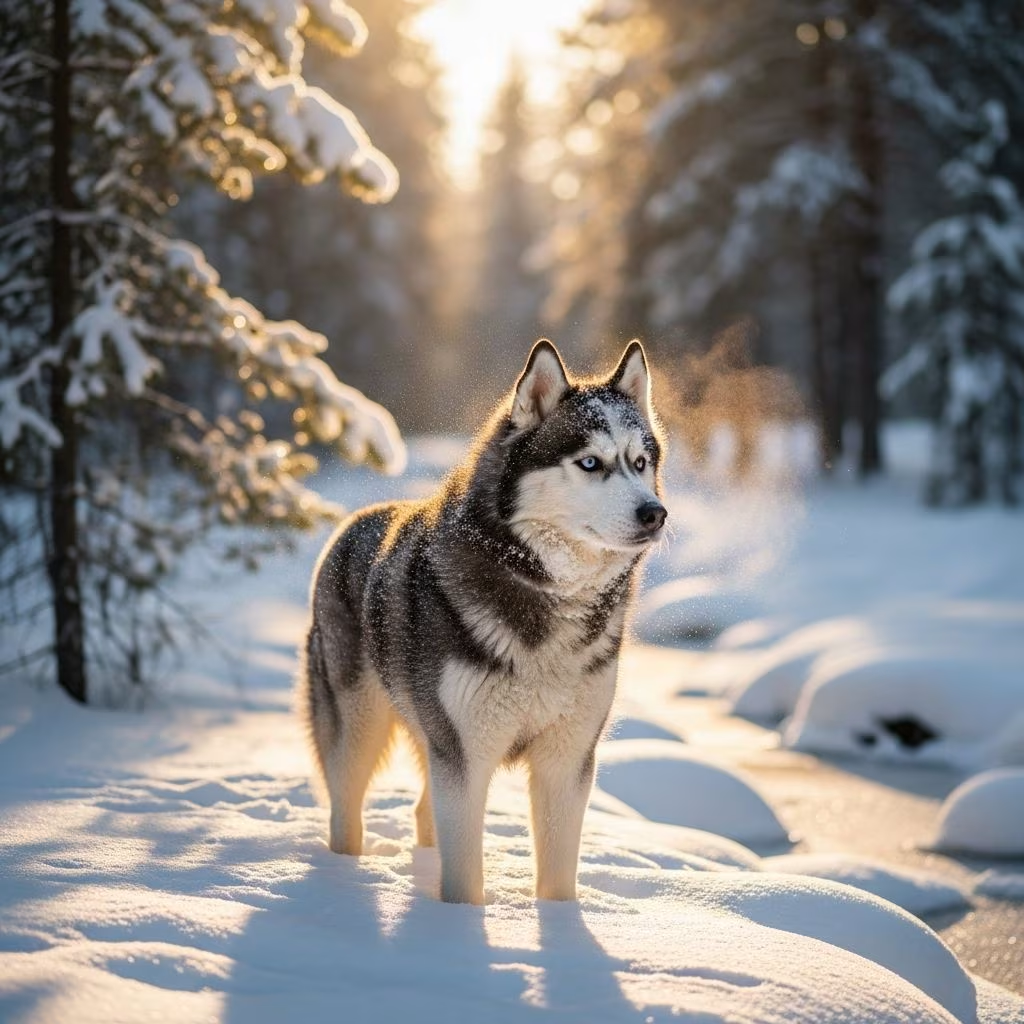
There’s no single temperature that applies universally to all dogs because cold tolerance varies dramatically among different breeds and individuals. A Siberian Husky’s thick double coat will keep them considerably warmer than a Chinese Crested’s thin tufts of hair. In general, dogs should be monitored for signs that they are getting cold if they’re outdoors for extended periods in temperatures in which a person would want to wear a jacket.
Because of the variation in dog breeds and sizes, it’s impossible to give one temperature that is too cold for all dogs. However, as a general guideline, when the temperature is below 20 degrees Fahrenheit, monitor your dog, regardless of breed, for any signs of discomfort caused by the cold. Temperatures below freezing pose a risk of hypothermia and frostbite, and any dog out in cold weather should be monitored closely to avoid potential health hazards.
A dog’s tolerance for low temperatures can vary even more when they’re outside because other environmental factors play a role as well, including wind chill, moisture, and whether the ground is covered with snow or ice.
What Factors Affect Cold Tolerance in Dogs?
Every dog’s ability to tolerate cold is different. Dogs can gradually adjust (acclimatize) to cooler temperatures if they’re exposed to them gradually. Several key factors influence how well a dog handles cold weather:
Breed
Northern breeds and dogs with heavy coats tolerate cold weather much better than thin-coated breeds. Heavy coats help trap heat and protect from wind and dampness. Dog breeds from cold climates also tend to have thick-haired tails and feet that help prevent heat loss. Breeds like Siberian Huskies, Alaskan Malamutes, Newfoundlands, Bernese Mountain Dogs, and Saint Bernards were all bred for cold weather activities and naturally handle freezing temperatures better than other breeds.
Size
Large dogs are better at handling cold than small dogs. Radiation of heat from the skin can result in significant heat loss. Large dogs have a smaller body surface area relative to their weight than small dogs, leading to less radiation and better heat retention. This is why chihuahuas and toy breeds often struggle more in cold weather than their larger counterparts.
Age
Young puppies and senior dogs are both more sensitive to temperature changes and can get cold more easily. This is due to changes in metabolism and differences in blood flow to the skin. Puppies cannot regulate temperature efficiently and tire faster in cold conditions, while senior dogs and dogs with medical conditions may also struggle with temperature regulation.
Health
Numerous health conditions affect how the body regulates its temperature. Hypothyroidism is a common condition in dogs and slows their metabolism, making it harder for them to stay warm. Other problems like heart disease, kidney disease, neurological issues, and cancer can all affect a dog’s ability to stay warm. Dogs with existing health concerns should be given extra protection during cold weather.
Activity Level
Dogs who are able to stay active while in a cold environment are less likely to develop problems. Muscle activity creates heat and helps dogs to stay warm. Dogs who are unable to run and play in the cold will get chilly faster than those who are moving around constantly. However, if your dog is especially active, dog coats may just not be necessary, as you don’t want them getting overheated.
How Do I Know If My Dog Is Cold?
Cold dogs will display some common behaviors that can clue you in to their discomfort. The most common symptoms are related to heat-seeking behavior. Dogs are smart and know when it’s time to get warm, but these behaviors may not be obvious if you don’t know what to watch for. Be on the lookout for the following symptoms:
- Curling up in a ball
- Burrowing under blankets or other objects
- Piloerection (raised hair)
- Cold extremities (feet, ears, nose, gums)
- Shivering
- Whining or vocalizing their discomfort
- Lifting their paws off the ground when walking
- Expressing anxiety or nervousness
- Stopping play or whatever activity they’re doing
You might think that all cold dogs will shiver, but the shivering reflex turns off when a dog’s body temperature drops below 94 degrees Fahrenheit (34.4 degrees Celsius). Dogs can rapidly become unable to activate their body’s protective measures to maintain a normal temperature in very cold conditions. Recognizing the signs of problems early on can prevent bigger issues.
Understanding Hypothermia in Dogs
Hypothermia occurs when a dog’s body temperature drops below normal levels. There are different stages of hypothermia, each with increasing severity:
- Mild hypothermia: Body temperature between 90-99 degrees Fahrenheit (32.2-37.2 degrees Celsius)
- Moderate hypothermia: Body temperature between 82-90 degrees Fahrenheit (27.8-32.2 degrees Celsius)
- Severe hypothermia: Body temperature between 68-82 degrees Fahrenheit (20-27.8 degrees Celsius)
- Profound hypothermia: Body temperature less than 68 degrees Fahrenheit (less than 20 degrees Celsius)
Each stage of hypothermia results in worsening the body’s ability to regulate its temperature, maintain brain and heart function, and preserve blood flow. Dogs experiencing cold stress will become progressively lethargic, weak, and mentally dull. In severe cases, hypothermia can be life-threatening and requires immediate veterinary attention.
Winter Coat and Cold Weather Protection
When your dog is outside in cold weather, look for signs that they may need a warm winter coat. Smaller dogs, puppies, senior dogs, and those with thin fur will likely need at least dog sweaters, if not coats or jackets when the temperature is below freezing. As long as you only dress your pup up at the proper time, a winter jacket is perfectly safe. However, never put a coat on a dog when the weather is mild or warm, as overheating can also cause health problems.
Northern breeds with thick double coats may not need additional clothing even in cold weather, while breeds originally from warmer climates will benefit greatly from winter protection. The key is observing your individual dog’s behavior and adjusting their clothing accordingly.
Behavioral Changes During Cold Weather
Beyond physical discomfort, cold weather can impact your dog’s mood and behavior. The colder weather and darker days can result in something known as “winter reactivity.” Your dog’s behavior may change during the colder months due to reduced daylight, colder temperatures, changes in routine, and decreased outdoor activity.
Many dogs experience increased sensitivity, excitability, or agitation in winter. Even in climates that are relatively warm, the reduced daylight still impacts your dog’s mood, affecting their circadian rhythms, hormone regulation, melatonin and serotonin levels. This can shift energy and emotional balance in dogs, just like it can for humans. Indoor behavior can also worsen, as dogs may redirect pent-up energy and the need for mental stimulation into household items, furniture, or inappropriate digging.
Frequently Asked Questions
Q: What breeds are more tolerant of cold weather?
A: Northern breeds with thick double coats tend to do better in cold weather. Breeds like Siberian Huskies, Alaskan Malamutes, Newfoundlands, Bernese Mountain Dogs, and Saint Bernards were all bred for cold weather activities and naturally thrive in freezing temperatures.
Q: At what temperature do dogs need coats to stay warm?
A: When the temperature drops below freezing (32 degrees Fahrenheit), most small breeds, puppies, seniors, and thin-coated dogs will benefit from additional protection like dog sweaters or coats. Larger breeds with thick coats may not need additional clothing until temperatures drop significantly lower.
Q: Can dogs get frostbite?
A: Yes, dogs can develop frostbite in extremely cold conditions, particularly on their ears, nose, paws, and tail. This is why monitoring extremities is important during cold weather exposure.
Q: How can I help my dog stay warm indoors during winter?
A: Provide cozy blankets, dog beds away from drafts, and maintain comfortable indoor temperatures. Focus on mental enrichment and indoor activities to keep your dog mentally stimulated during colder months when outdoor time is limited.
Q: Why does my dog sleep more in winter?
A: Dogs’ bodies have to work harder to maintain heat in winter, so they naturally tire faster. Additionally, reduced daylight affects melatonin levels, making dogs feel sleepier. This is a normal response to seasonal changes.
References
- Freezing Temperatures and Dogs: How Cold Is Too Cold for Dogs? — Kinship. 2025. https://www.kinship.com/dog-health/how-cold-is-too-cold-for-dogs
- Does Your Dog Need a Winter Coat? — Kinship. 2025. https://www.kinship.com/dog-behavior/does-my-dog-need-coat
- Do Dogs Get More Sleepy When It’s Cold Out? — Kinship. 2025. https://www.kinship.com/dog-health/do-dogs-get-more-sleepy-when-it-is-cold
- Is ‘Winter Reactivity’ a Thing? How Cold Weather Can Change Your Dog — Kinship. 2025. https://www.kinship.com/dog-behavior/winter-reactivity-dogs
- When Is it Too Cold to Walk Your Dog? UK Guide — Kinship. 2025. https://www.kinship.com/uk/dog-lifestyle/when-too-cold-to-walk-dog
- Animal Welfare Regulations — United States Department of Agriculture (USDA). https://www.usda.gov



