

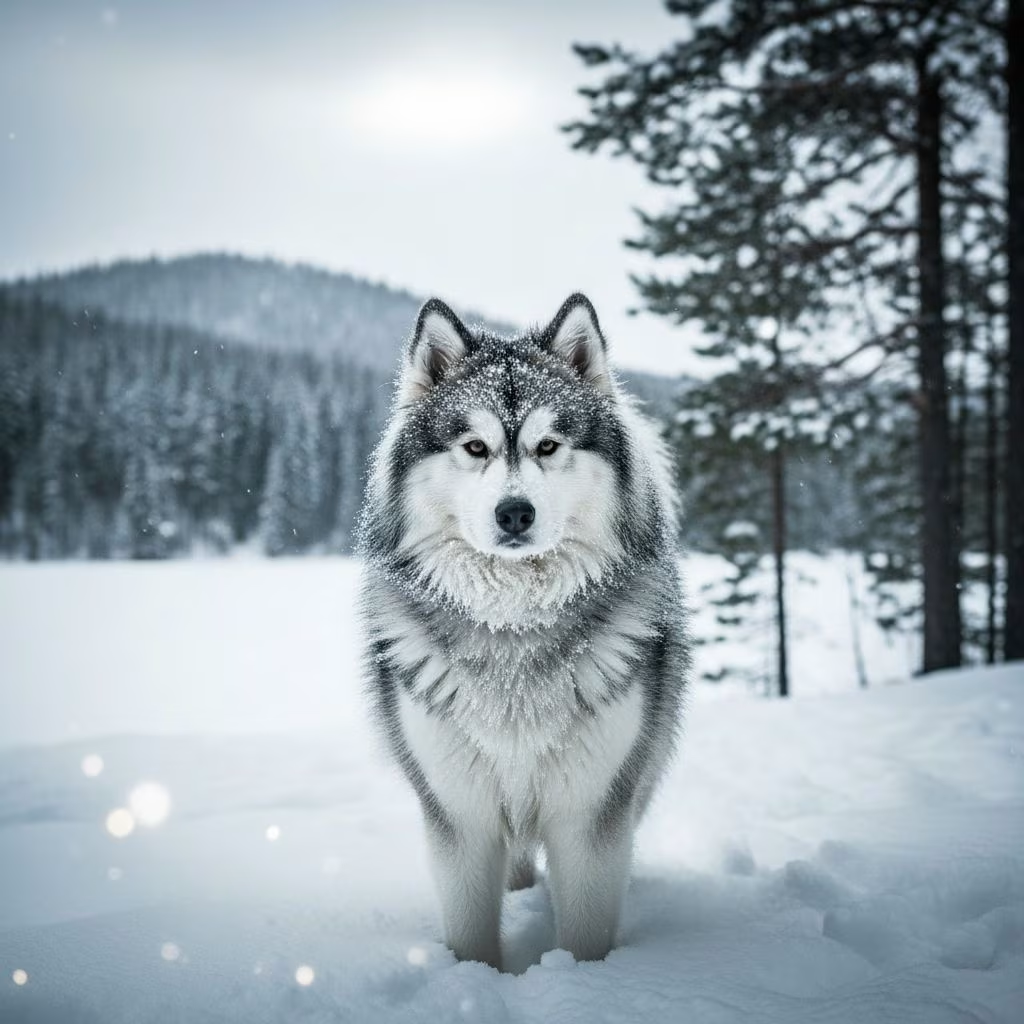
Winter brings chilly temperatures that can pose serious risks to dogs, from discomfort to life-threatening hypothermia and frostbite. While some breeds thrive in the cold, others shiver at mild dips. A medium or large breed dog with a normal coat and no health issues should stay indoors above 50°F (10°C), per USDA animal welfare guidelines. Understanding your dog’s specific tolerance is crucial for their safety during cold snaps.
What temperature is too cold for dogs?
Dogs’ cold tolerance varies widely by individual factors, making a one-size-fits-all temperature impossible. Northern breeds like Siberian Huskies handle sub-zero conditions better than thin-coated small dogs. Generally, monitor dogs outdoors when temperatures require a human jacket—around 32°F (0°C) or below—as hypothermia risks rise.
USDA regulations recommend indoor environments warmer than 50°F (10°C) for medium/large healthy dogs. Below freezing (32°F/0°C), small, senior, or ill dogs face higher risks. At 20°F (-7°C) or lower, all dogs need close supervision, regardless of breed. Wind chill, wet fur, and short outdoor time amplify dangers.
| Temperature Range | Risk Level | Recommendations |
|---|---|---|
| Above 45°F (7°C) | Low | Normal outdoor time fine for most dogs. |
| 30–45°F ( -1–7°C) | Moderate | Short walks; coats for small/short-haired breeds. |
| 20–30°F (-7– -1°C) | High | Limit time; monitor all dogs closely. |
| Below 20°F (-7°C) | Very High | Minimize outdoor exposure; use booties/coats. |
This table summarizes general guidelines; always tailor to your dog’s profile.
What factors affect cold tolerance in dogs?
Several variables determine how well a dog handles cold. Gradual exposure allows acclimatization, but sudden freezes overwhelm even hardy dogs.
Breed
Northern breeds with double coats—Siberian Huskies, Alaskan Malamutes, Newfoundlands, Bernese Mountain Dogs, Saint Bernards—excel in cold due to insulating fur, hairy feet, and tails that cover noses. Thin-coated breeds like Chihuahuas or Greyhounds chill quickly.
Size
Large dogs retain heat better; their lower surface-area-to-volume ratio minimizes heat loss via radiation. Small dogs lose heat faster, making them vulnerable even above freezing.
Age
Puppies and seniors struggle with temperature regulation. Pups have immature metabolism; elders face reduced circulation and metabolic slowdown.
Health
Conditions like hypothyroidism (slowed metabolism), heart/kidney disease, neurological issues, or cancer impair thermoregulation. Obese or arthritic dogs may limit activity, worsening chill.
Activity level
Active dogs generate muscle heat, staying warmer. Sedentary ones cool faster. Wet fur from snow/rain conducts heat away rapidly.
How do I know if my dog is cold?
Early detection prevents escalation. Watch for heat-seeking behaviors:
- Curling into a tight ball
- Burrowing under blankets
- Piloerection (raised hackles)
- Cold ears, paws, nose, gums
- Shivering (stops below 94°F/34.4°C core temp)
- Whining, anxiety, paw-lifting
- Reluctance to move or slowed pace
Advanced signs include lethargy, weakness, or disorientation—seek vet care immediately.
Hypothermia in dogs
Hypothermia occurs when core temperature drops below 99°F (37.2°C). Stages:
- Mild: 99–90°F (37.2–32.2°C) – Shivering, discomfort.
- Moderate: 90–82°F (32.2–27.8°C) – Lethargy, weak pulse.
- Severe: 82–68°F (27.8–20°C) – Unconsciousness, organ failure.
- Profound: Below 68°F (20°C) – Likely fatal without intervention.
Worsening impairs brain/heart function, blood flow. Risk factors: prolonged exposure, wetness, wind.
Frostbite in dogs
Frostbite affects extremities (ears, paws, tail) when blood diverts to core. Occurs above freezing with wind chill or wet conditions. Signs: pale/discolored skin, swelling, blisters, pain. Prevent with booties, coats; treat as emergency.
Tips for keeping dogs warm in cold weather
Proactive steps ensure safety:
- Dress appropriately: Coats/sweaters for small/short-haired dogs below 45°F; avoid overheating active breeds.
- Protect paws: Booties prevent ice balling, chemical burns from de-icers.
- Limit time: Quick potty breaks (5–10 min); indoor exercise for bitter cold.
- Dry thoroughly: Towel off post-snow; avoid wet fur.
- Warm shelter: Insulated doghouses with bedding; no wind exposure.
- Indoor fun: Puzzle toys, training, hide-and-seek for mental stimulation.
- Monitor vulnerable dogs: Extra caution for pups, seniors, ill breeds.
In extreme cold, skip walks; use puppy pads indoors.
Do dogs need coats in cold weather?
Not all, but many benefit. Thick-coated northern breeds rarely need them; small, thin-coated, or inactive dogs do below freezing. Signs needing a coat: shivering, paw-lifting, whining. Ensure proper fit; remove indoors to prevent overheating.
Frequently Asked Questions
What temperature is too cold for dogs to sleep outside?
Never leave dogs outside below 50°F (10°C) overnight; provide heated shelter. Small breeds unsafe below 45°F.
What breeds tolerate cold best?
Siberian Huskies, Alaskan Malamutes, Newfoundlands, Bernese Mountain Dogs, Saint Bernards.
Can dogs get frostbite above freezing?
Yes, with wind chill, wetness, or prolonged exposure.
How to warm a cold dog safely?
Bring indoors, wrap in blankets, offer warm (not hot) fluids. Vet if severe symptoms.
Do puppies get cold easier?
Yes, due to poor thermoregulation; keep indoors above 60°F (15.5°C).
Should senior dogs wear coats?
Often yes; circulation/metabolism issues make them prone to chilling.
References
- Freezing Temperatures and Dogs: How Cold Is Too Cold for Dogs? — Kinship. 2023. https://www.kinship.com/dog-health/how-cold-is-too-cold-for-dogs
- Does Your Dog Need a Winter Coat? — Kinship. 2023. https://www.kinship.com/dog-behavior/does-my-dog-need-coat
- Pet Weather Safety Meter: Safe Temperatures for Dogs — USDA Animal Welfare Information Center. 2022-12-15. https://www.aphis.usda.gov/animal_welfare/downloads/blue-book-update-2022.pdf
- Cold Weather and Pets — ASPCA. 2024. https://www.aspca.org/pet-care/general-pet-care/cold-weather-safety-tips
- Hypothermia in Dogs — Merck Veterinary Manual. 2025-01-10. https://www.merckvetmanual.com/dog-owners/disorders-affecting-multiple-body-systems-of-dogs/hypothermia-in-dogs
- Winter Pet Safety Tips — AKC. 2024-11-20. https://www.akc.org/expert-advice/health/winter-pet-safety-tips/



