

How Cold Is Too Cold for Cats?
As temperatures drop during the winter months, pet owners naturally wonder about their cats’ comfort and safety. While cats have fur to help insulate them, they are surprisingly vulnerable to cold weather. Understanding what temperatures are safe for cats and recognizing the signs of cold stress can help you keep your feline companion healthy and comfortable year-round. This comprehensive guide explores the dangers of cold weather for cats and provides practical solutions for keeping them warm.
Do Cats Get Cold?
Yes, cats absolutely can and do get cold. In fact, many indoor cats spend much of their lives in environments that are uncomfortably chilly for them. To understand why, it’s helpful to consider the concept of the thermoneutral zone (TNZ), which is the temperature range in which a body doesn’t have to expend extra energy to maintain its core temperature.
For humans and dogs, the thermoneutral zone ranges from approximately 68 to 86 degrees Fahrenheit. Most households maintain their thermostats within this comfortable range. However, cats have a significantly higher thermoneutral zone: 86 to 100 degrees Fahrenheit. This means that when you feel perfectly comfortable in your home at 72 degrees, your cat is likely experiencing discomfort and feeling cold. This fundamental difference in temperature preferences explains why cats so often seek out sunny windowsills, heating vents, and warm laps during cooler months.
Dangerous Temperatures for Outdoor Cats
For cats who spend time outdoors, the temperature dangers become much more serious. While summer may be their preferred season, outdoor temperatures below 45 degrees Fahrenheit begin to pose risks to cats. Once temperatures drop below freezing (32 degrees Fahrenheit), prolonged outdoor exposure can lead to serious health emergencies including hypothermia and frostbite.
It’s important to understand that these temperature thresholds are guidelines rather than hard rules. Several factors influence how vulnerable individual cats are to cold weather conditions.
Factors That Affect Cold Tolerance in Cats
Not all cats are equally vulnerable to cold temperatures. Several key factors determine how well a cat can tolerate cold weather:
Age and Health Status: Kittens, senior cats, and those with existing health conditions are significantly more vulnerable to cold. Young cats and elderly cats may have difficulty regulating their body temperature effectively, making them susceptible to hypothermia and cold-related illness at higher temperatures than healthy adult cats. Cats with chronic health conditions such as arthritis, heart disease, or kidney disease also face increased risks.
Coat Type and Color: Coat characteristics play a crucial role in cold tolerance. Long-haired breeds such as Maine Coons and Persians can handle colder temperatures better than short-haired cats, and especially better than hairless cat breeds. The thickness and length of a cat’s fur provides insulation, and cats with thicker coats can endure slightly colder temperatures than cats with thinner, shorter coats. Hairless breeds like the Sphynx have virtually no natural protection and require extra warmth even at moderate temperatures.
Body Size: Smaller cats have less body mass to generate and retain heat, making them more vulnerable to cold temperatures than larger cats. Similarly, very thin cats may struggle more than cats with more body mass.
Acclimatization: Cats that have spent time outdoors may develop thicker coats and other adaptations that help them tolerate cold better than indoor cats suddenly exposed to cold weather. However, even adapted outdoor cats still face significant risks during severe cold snaps.
Signs Your Cat Is Cold
Recognizing the signs that your cat is experiencing cold stress is essential for preventing serious health complications. Watch for these indicators:
Seeking Warm Spots: One of the first signs of discomfort from cold is that your cat will actively seek warm areas. This might include sunny windows, heating vents, your lap, or heated beds. If your cat is unusually fixated on these warm spots, it may indicate that your home is too cold for their comfort.
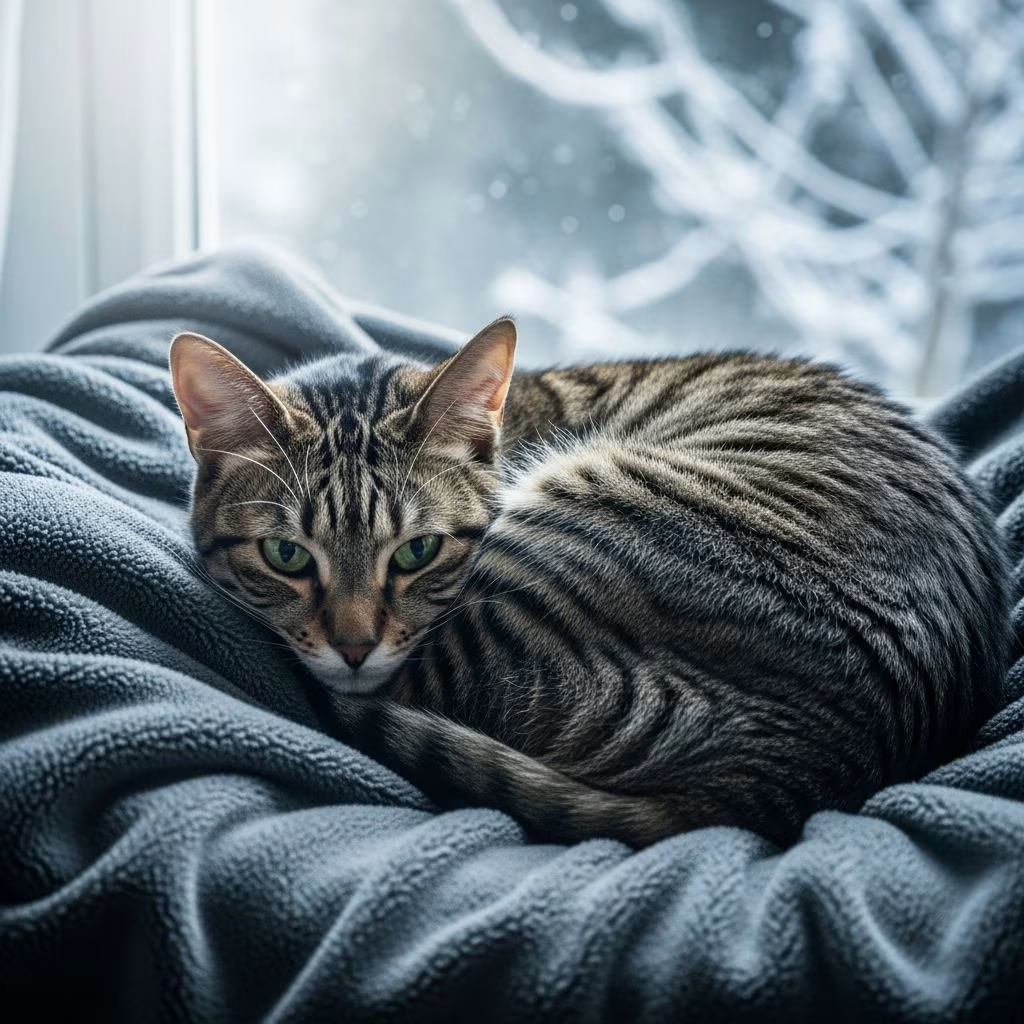
Curling Up Tightly: When cats feel cold, they curl their bodies into a tight ball to conserve body heat. This classic fetal position minimizes surface area and helps retain warmth. If your cat maintains this posture for extended periods, it’s a sign they’re not comfortable at the current temperature.
Shivering: Visible shivering is a clear sign that your cat is cold. Interestingly, as hypothermia progresses, shivering may decrease or stop, which can be misleading. A cat that stops shivering when very cold may actually be in more danger than one that is actively shivering.
Lethargy and Reduced Activity: Cats conserve energy when cold by being less active. If your typically active cat becomes unusually sluggish or spends most of their time sleeping, this could indicate they’re dealing with cold stress.
Behavioral Changes: Cold discomfort may cause your cat to become irritable, anxious, or withdrawn. Some cats may act clingy and seek constant comfort from their owners.
Can Cats Survive in the Cold?
Cats can technically survive cold temperatures, but prolonged exposure to low temperatures creates serious health risks. For indoor cats, the best approach to ensuring their safety regardless of the season is to keep them indoors, but this becomes especially critical when outdoor temperatures fall below 45 degrees Fahrenheit and vital when temperatures drop below freezing.
For outdoor cats such as barn cats or community cats, winter survival depends on access to three essential resources: warm shelter, adequate food, and fresh water. Community cats typically seek refuge in garages, sheds, under porches, or other protected areas. While these cats can adapt to colder temperatures by growing thicker fur and adjusting their metabolism, they still face significant challenges during severe winter weather and are susceptible to hypothermia, frostbite, and malnutrition.
If you have outdoor cats or community cats in your area, you can help them survive winter by providing insulated cat houses, fresh water in heated bowls (or replaced frequently as it freezes), and high-calorie food such as kitten food to help them maintain body heat through the winter months.
Health Complications: Hypothermia and Frostbite
The most serious cold-related health threats to cats are hypothermia and frostbite. Hypothermia occurs when a cat’s core body temperature drops dangerously low, impairing vital bodily functions. Frostbite involves the freezing of skin tissue and can cause permanent damage.
Frostbite most commonly affects the ears, nose, paws, and tip of the tail. Frostbitten areas initially appear reddish and then turn gray. If you suspect your cat has frostbite, provide a warm bath (around 105 degrees Fahrenheit is ideal), wrap them in warm towels, and seek immediate veterinary care. Importantly, do not rub frostbitten areas, as this can cause additional damage.
Both conditions require immediate veterinary attention and can result in serious complications or even death if left untreated.
How to Keep Your Cat Warm in Winter
Several practical strategies can help ensure your cat stays comfortable when temperatures drop:
Provide Warm, Draft-Free Sleeping Areas: Create cozy sleeping spaces away from drafts, doors, and windows. Sunny spots are ideal as they provide natural warmth. Ensure these areas are shielded from cold air flow.
Use Heated Beds: Covered cat beds and heated cat houses are excellent investments for cold months. Heated beds maintain a comfortable temperature without requiring your cat to find warm spots elsewhere in your home.
Layer Bedding: Provide multiple layers of soft, warm bedding such as blankets and cushions that your cat can burrow into for extra insulation.
Raise Room Temperature: If possible, increase your home’s temperature during winter months. A temperature range of 65 to 75 degrees Fahrenheit is generally comfortable for most cats. Many veterinarians recommend keeping indoor temperatures between 70 and 80 degrees during cold weather.
Improve Insulation: Seal drafts around windows and doors to prevent cold air from entering your cat’s living spaces. Thicker curtains and draft stoppers can help maintain warmth.
Provide Additional Heat Sources: Space heaters in rooms where your cat spends time can help maintain comfortable temperatures. However, ensure any heat source is safe and cannot be knocked over or cause burns. Never use hot water bottles or direct heat on your cat, as this can easily lead to burns.
Keep Outdoor Cats Sheltered: For outdoor cats, provide insulated cat houses with dry bedding and protection from wind, snow, and ice. These structures should have a covered interior and insulated walls. Additionally, offer heated water bowls to prevent water from freezing, and provide high-calorie food to help outdoor cats maintain body weight and temperature regulation.
Helping Community and Feral Cats in Winter
Community cats, also known as feral cats, face particular challenges during winter months. These outdoor cat colonies often lack access to warm shelters and adequate food and water. If you want to help community cats in your area, consider these approaches:
Provide Outdoor Cat Houses: Cold-weather cat shelters offer life-saving protection for community cats. A good shelter should have a covered interior that’s warm and dry to protect from cold air, ice, and snow, plus insulated bedding to keep cats comfortable. Place shelters in protected locations away from the coldest wind exposure.
Supply Food and Water: Never place water bowls inside cat shelters, where they can easily spill and create a freezing environment. Instead, place water bowls outside the shelter and keep them unfrozen by using heated water bowls or replacing the water multiple times daily. Offer high-calorie food to help outdoor cats maintain body weight during the energy demands of cold weather.
Coordinate with Rescue Organizations: Work with local animal shelters and rescue organizations to identify community cats in your area and develop a coordinated support plan for winter care.
Frequently Asked Questions
Q: Can cats get cold? How cold can cats handle?
A: Yes, cats get cold easily. Cats may feel chilly when temperatures drop below 86 degrees Fahrenheit, and anything under 45 degrees Fahrenheit (and certainly below 32 degrees Fahrenheit) can lead to hypothermia and frostbite.
Q: What is the ideal indoor temperature for cats?
A: While indoor cats are typically comfortable between 65 to 80 degrees Fahrenheit, their natural thermoneutral zone is 86 to 100 degrees Fahrenheit. Most cats are comfortable at temperatures in the 70 to 80 degree range.
Q: How do stray cats survive winter?
A: Stray cats survive winter by finding shelter in protected areas such as garages, sheds, or under porches, growing thicker coats, and conserving energy. However, many still struggle with frostbite, hypothermia, and finding adequate food and water.
Q: Can cats stay in a cold garage?
A: Cats can stay in a cold garage temporarily if they have warm bedding or a heated cat house. However, unheated garages aren’t ideal for extended periods, as they can still expose cats to dangerous cold temperatures.
Q: What should I do if I think my cat has hypothermia?
A: If you suspect your cat has hypothermia, move them to a warm area immediately, provide warm (not hot) blankets, and contact your veterinarian right away. Seek emergency veterinary care if your cat is severely affected.
Q: Are some cat breeds more cold-tolerant than others?
A: Yes. Long-haired breeds such as Maine Coons and Persians handle cold better than short-haired breeds. Hairless breeds require extra protection even at moderate temperatures.
References
- How Cold Is Too Cold for Cats? — Chewy. 2025. https://www.chewy.com/education/cat/general/how-cold-is-too-cold-for-cats
- WARNING: 7 Hidden Signs Your Cat is Too Cold — Chewy (YouTube). 2025. https://www.youtube.com/watch?v=-7bLdCLmIwQ
- Three Ways to Help Your Community’s Outdoor Cats This Winter — Chewy. 2025. https://www.chewy.com/education/cat/health-and-wellness/best-practices-for-feral-cat-care-in-the-winter
- How Hot Is Too Hot for Cats? — Chewy. 2025. https://www.chewy.com/education/cat/health-and-wellness/how-hot-is-too-hot-for-cats
- Cold Weather Safety Tips for Traveling With Your Pet — PetMD. 2025. https://www.petmd.com/dog/seasonal/cold-weather-safety-tips-traveling-pet



