

How Cold Can Your Cat Handle?
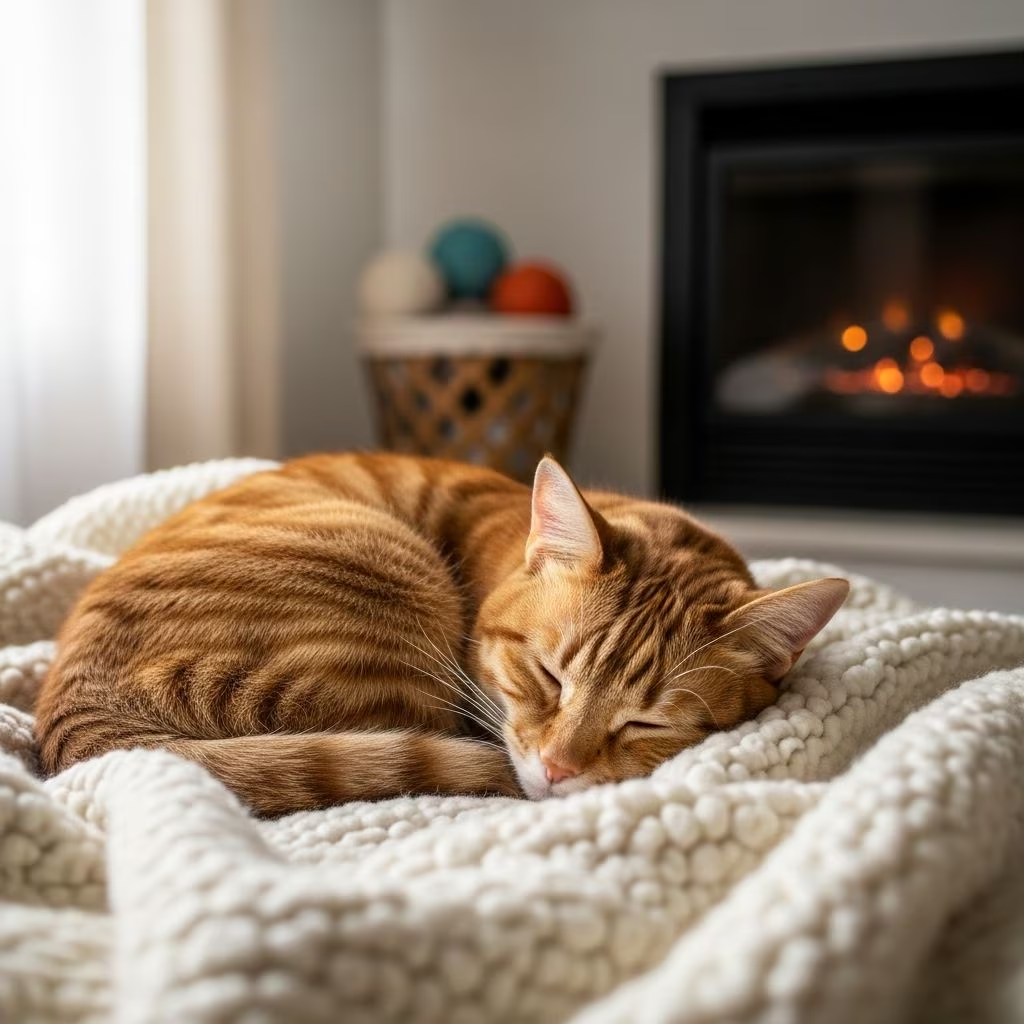
Cats are connoisseurs of comfort. You may notice that your cat is most comfortable when curled up in a cozy bed or camped out in front of the heater. During the winter, you may also find yourself jockeying with your cat for a prime position under a thick blanket. That’s because cats tend to like things on the warmer side, leading you to wonder how much cold your cat can handle. Understanding your cat’s cold tolerance limits is essential for keeping them safe and healthy during the colder months.
Main Takeaways
- A cat’s normal body temperature is around 100 to 102 degrees Fahrenheit, slightly warmer than a human.
- You can tell your cat is cold if they are shivering, curled up tight, or unwilling to move around much.
- The temperature at which your cat gets cold will depend on several factors including hair coat, health status, and acclimation.
- Help keep your kitty warm by providing shelter, warm bedding, and possibly extra calories.
What Temperature Is Too Cold for Cats?
Many variables play a role in the temperatures that are too cold for cats to tolerate. Understanding these factors will help you determine the best environment for your specific feline companion. Generally, cats start feeling uncomfortable at around 45 degrees Fahrenheit (7.2°C), though some cats may feel cold at slightly higher temperatures depending on their individual circumstances.
For indoor-only cats, keeping temperatures above 50 degrees Fahrenheit is best, but your cat will likely be more comfortable between 70 to 80 degrees Fahrenheit. According to the American Veterinary Medical Association, cats do best within a temperature range of 50°F to 80°F (10°C to 26.5°C). When temperatures drop below 45 degrees Fahrenheit, your mostly indoor kitty will likely need to stay inside, while outdoor cats will need an insulated shelter.
Factors Affecting Your Cat’s Cold Tolerance
Several key factors determine how well your individual cat can handle cold temperatures. Understanding these variables will help you provide appropriate care during winter months.
Coat Length and Thickness
Your cat’s coat length and thickness make a huge difference in their cold tolerance. The thicker the coat, the better insulated a cat will be against the cold. Breeds with dense double coats, such as Maine Coons, Norwegian Forest Cats, and Siberians, naturally tolerate colder temperatures much better than short-haired or hairless breeds. Hairless breeds like the Sphynx and Devon Rex can lose body heat rapidly and are more susceptible to hypothermia even in mildly cool temperatures, requiring extra protection year-round.
Age and Health Status
Age and health play critical roles in determining cold resilience. Kittens and senior cats have a harder time regulating their body temperature and maintaining warmth. Cats with existing health conditions—particularly hypothyroidism, renal disease, heart disease, and cancer—may struggle in colder temperatures and should stay indoors during winter. Health conditions such as heart disease, diabetes, and kidney disease make it more difficult for a cat to regulate their body temperature, so they naturally prefer warmer environments.
Activity Level and Body Composition
Generally, the more active a kitty, the more cold they can handle. Physical activity generates body heat that helps cats maintain their core temperature. Additionally, the more fat a cat has, the more they can withstand a temperature drop. Cats with higher body fat percentages have additional insulation that helps them retain warmth during cold periods.
Acclimation and Indoor Versus Outdoor Living
Acclimation is another important factor. Cats who spend time outdoors or solely live outdoors will tolerate lower temperatures better than indoor-only felines. Outdoor cats develop thicker coats and physiological adaptations over time that improve their cold tolerance. However, even outdoor cats are susceptible to frostbite and hypothermia in freezing weather.
Understanding Your Cat’s Body Temperature
A cat’s normal body temperature is approximately 100 to 102 degrees Fahrenheit, which is slightly higher than a human’s normal temperature of 98.6 degrees. Since cats are warm-blooded animals, they must maintain their internal body temperature above a certain point to keep their biological systems functioning properly. They cannot let their internal temperature fluctuate with their environment the way reptiles can.
When external temperatures drop, cats must either increase their internal metabolic heat production or seek external warmth sources to maintain their body temperature. If they cannot do either, they risk becoming dangerously cold. This is why you’ll notice your cat seeking out warm spots, sunny windows, and heat sources during winter months.
Signs Your Cat Is Too Cold
Learning to recognize the signs that your cat is too cold will help you respond quickly and prevent cold-related health issues. Watch for these warning signs:
- Shivering: Visible trembling is your cat’s body attempting to generate heat through muscle contractions.
- Curling into a tight ball: Your cat is trying to minimize surface area exposed to cold air.
- Lethargy and decreased activity: Your cat may be unwilling to move around much, preferring to stay still to conserve energy.
- Seeking warmth constantly: Your cat may be found near heaters, in sunny spots, or burrowing under blankets.
- Cold to the touch: Their ears, paws, or nose may feel unusually cold.
- Decreased appetite: Cold stress can reduce your cat’s interest in eating.
Temperature Guidelines for Different Situations
Different temperature ranges present varying levels of risk for cats, depending on their individual circumstances:
| Temperature Range | Fahrenheit | Celsius | Risk Level | Recommendations |
|---|---|---|---|---|
| Comfortable | 70–80°F | 21–27°C | Low | Ideal indoor temperature for most cats |
| Safe with monitoring | 50–70°F | 10–21°C | Low to moderate | Suitable for acclimated cats; provide warm beds |
| Uncomfortable | 45–50°F | 7–10°C | Moderate | Keep indoors; provide shelter for outdoor cats |
| Cold risk | 32–45°F | 0–7°C | High | Keep indoors; ensure shelter with insulation |
| Dangerous | Below 32°F | Below 0°C | Very high | Bring cats indoors immediately; risk of frostbite |
Tips for Keeping Your Cat Warm
There are numerous ways you can help your cat stay comfortable during cold weather. Implementing these strategies will ensure your feline friend remains warm and healthy throughout the winter season.
Provide Adequate Shelter
For outdoor cats, provide an insulated shelter that protects them from wind and moisture. The shelter should be elevated off the ground and have a small entrance to trap heat. Use straw or blankets for bedding, avoiding blankets that retain moisture. For indoor cats, ensure they have access to warm areas throughout your home.
Offer Warm Bedding
Create cozy sleeping spots by placing soft, warm bedding in quiet areas of your home. Consider heated cat beds or placing regular beds near heat sources like radiators or sunny windows. Cats will naturally gravitate toward these comfortable warm spots.
Maintain Indoor Temperature
Keep your indoor temperature consistent, especially for indoor-only cats. Avoid letting your home temperature drop below 50 degrees Fahrenheit when your cat is home alone. If you’re away during winter, maintain heating to keep your home at a comfortable temperature for your feline companion.
Consider Extra Calories
During winter, indoor cats may need additional calories to maintain body heat. Consult with your veterinarian about adjusting feeding amounts or switching to higher-calorie foods during the coldest months. Weight management should still be monitored to prevent obesity.
Limit Outdoor Exposure
Reduce outdoor time for your cat when temperatures drop, especially for indoor-only cats. Short bathroom breaks are preferable to extended outdoor time during cold weather. Older cats, kittens, and those with health conditions should have minimal outdoor exposure in cold temperatures.
Use Cat Clothing
For hairless or short-haired breeds, consider using cat clothing designed for warmth. Cat sweaters or jackets can provide additional insulation when outdoor exposure is necessary. Ensure clothing fits properly and doesn’t restrict movement.
Frequently Asked Questions
Q: Can cats get hypothermia?
A: Yes, cats can develop hypothermia when exposed to cold temperatures for extended periods. Hypothermia occurs when body temperature drops dangerously low and can be life-threatening. Signs include lethargy, weakness, and uncontrollable shivering followed by muscle stiffness.
Q: Are some cat breeds better suited to cold weather?
A: Yes, breeds with thick double coats like Maine Coons, Norwegian Forest Cats, and Siberians are naturally better suited to cold climates. Conversely, hairless or short-haired breeds like Sphynx and Devon Rex are highly sensitive to cold and require extra protection.
Q: What should I do if my cat gets frostbite?
A: Frostbite requires immediate veterinary attention. Signs include pale or blue-tinged skin, blistering, or blackening of affected areas. Gradually warm the affected area with lukewarm (not hot) water and seek emergency veterinary care immediately.
Q: How can I tell if my house temperature is too cold for my cat?
A: If your cat is constantly seeking warmth, curling into a tight ball, burrowing under blankets, or staying on heat vents, your home may be too cold. Indoor temperatures below 45–50 degrees Fahrenheit are uncomfortable for most cats, particularly kittens, seniors, thin cats, or hairless breeds.
Q: Do indoor cats need different cold protection than outdoor cats?
A: Yes, indoor cats are typically more sensitive to cold since they haven’t acclimated to outdoor temperatures. They need consistent indoor heating and may struggle if suddenly exposed to cold. Outdoor cats develop thicker coats but still need insulated shelter and protection from freezing temperatures.
Q: Can I leave my cat outside in winter?
A: Only if your cat is acclimated to outdoor living and you provide insulated shelter, protection from wind and moisture, and regular access to unfrozen water. Indoor-only cats should never be left outside in cold weather. It’s safest to bring cats indoors when temperatures drop below 45°F.
References
- How Cold Is Too Cold for Cats? — Kinship. 2025. https://www.kinship.com/cat-health/how-cold-can-cats-handle
- How Cold Is Too Cold For Cats? — Tractive. 2025. https://tractive.com/blog/en/safety/how-cold-is-too-cold-for-cats
- How Cold Is Too Cold for Cats? — PetMD. 2025. https://www.petmd.com/cat/general-health/how-cold-is-too-cold-for-cats
- How Cold Is Too Cold for Cats? — Vets Now. 2024. https://www.vets-now.com/pet-care-advice/too-cold-for-cats/
- Do Cats Feel Cold? Shocking Truth All Owners Should Know — Kitty Safe. 2024. https://www.kitty-safe.com.au/blog/do-cats-feel-cold/



