

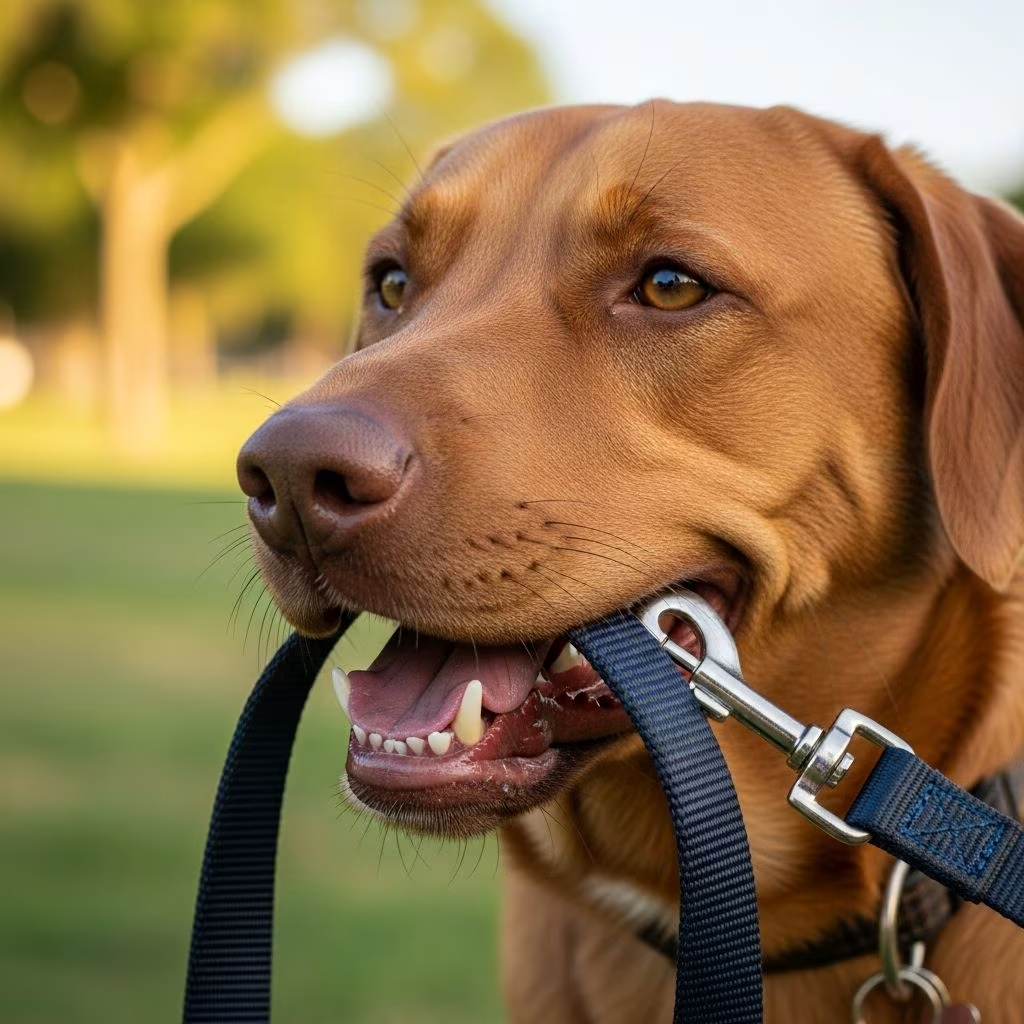
Leash biting is a common issue for dog owners, turning enjoyable walks into frustrating tug-of-war sessions. Whether it’s a playful puppy or an excited adult dog, understanding the root causes and applying targeted strategies can transform your walks. This guide covers why dogs bite leashes, immediate fixes, long-term training, and equipment recommendations to help you enjoy frustration-free outings with your canine companion.
Why Do Dogs Bite Leashes?
Dogs bite leashes for various reasons, often tied to their age, energy levels, or environment. Identifying the trigger is the first step to effective correction.
- Puppy Teething and Exploration: Young puppies mouth everything, including leashes, as they explore the world with their mouths. This natural behavior peaks during teething phases.
- Boredom or Under-Stimulation: Dogs may grab the leash out of boredom during monotonous walks, seeking entertainment or attention.
- Frustration or Over-Excitement: When restrained from chasing squirrels, greeting dogs, or returning home prematurely, frustration leads to leash biting as an outlet.
- Physical Discomfort: Ill-fitting collars, excessive heat for brachycephalic breeds, or medical issues can prompt dogs to paw at or bite the leash.
- Play Invitation: Some dogs view the dangling leash as a toy, especially if owners tug back, reinforcing the game.
Observing patterns—such as biting at walk’s end or near distractions—helps pinpoint the cause. For instance, shortening walks or varying routes addresses need-based biting.
Immediate Solutions for Leash Biting
When your dog starts biting, quick interventions prevent reinforcement without escalating excitement.
- Stop and Stand Still: Freeze in place and ignore the behavior until the dog releases the leash. This removes the ‘fun’ without punishment, teaching that biting halts the walk.
- Step on the Leash: Gently place your foot on the leash middle, leaving enough slack to avoid choking, then turn away. This limits access while staying calm.
- Drop and Hold: For safe dogs, drop the leash (keeping the end) and hold the harness or collar to disengage.
- Use Deterrents Sparingly: Apply pet-safe bitter sprays like lemon juice or vinegar rubs, but test first to avoid damage. Chain leashes discourage chewing due to taste and texture.
Avoid yanking, scolding, or offering treats to release, as these can reward the action. Consistency is key—apply the same response every time.
Training Techniques to Prevent Leash Biting
Long-term success comes from proactive training, focusing on positive reinforcement and alternative behaviors.
Teach Loose Leash Walking
Start in a low-distraction area. Hold high-value treats to lure your dog beside you on a short leash. Reward calm walking with treats and praise, ignoring pulls or bites. Gradually add distance and distractions.
- Practice ‘heel’ or ‘with me’ commands, marking success with a clicker or marker word.
- Keep leash semi-taut to prevent dangling, reducing temptation.
Distraction and Redirection
Redirect energy positively. Offer a tug toy or ball for mouthy dogs to carry, making it incompatible with leash biting. Use commands like ‘sit’ or ‘look’ to refocus attention.
Impulse Control Games
Build self-control at home with games like ‘wait’ at doors or ‘leave it’ with toys. These translate to walks, reducing frustration biting. Nose work or puzzle toys provide mental outlets, combating boredom.
Desensitization for Reactivity
For frustration-based biting, practice counter-conditioning from afar. Reward calm responses to triggers (e.g., other dogs) before approaching.
Certified trainers like Brandon McMillan emphasize short, frequent sessions over marathon walks, using visible treats to maintain focus.
Best Equipment to Reduce Leash Biting
Tools support training but don’t replace it. Choose gear that minimizes access and discomfort.
| Equipment | Benefits | Best For |
|---|---|---|
| Back-Clip Harness | Keeps leash away from mouth; no neck pressure | Puppies, pullers |
| Chain Leash | Unappealing texture; durable against chewing | Extreme biters (leash only, not collar) |
| Short Leash (4-6 ft) | Less slack/dangling; better control | Training sessions |
| Front-Clip Harness | Discourages pulling; redirects naturally | Reactive dogs |
Consult a vet for brachycephalic breeds (e.g., Pugs) to avoid heat-related issues. Always fit equipment properly to prevent chafing.
Tailored Advice for Puppies vs. Adult Dogs
Puppies
Puppies bite out of teething and curiosity. Provide chew toys during walks and use harnesses to limit access. Shorten sessions and increase playtime. Patience is crucial—most outgrow it with consistency.
Adult Dogs
Adults may bite from habit, stress, or unmet needs. Rule out medical issues via vet check. Address underlying reactivity or boredom with enrichment like scent walks.
For obsessive cases, behavior meds combined with training may help, per expert interventions.
Common Mistakes to Avoid
- Punishing or Yanking: Increases arousal and confusion.
- Inconsistent Responses: Undermines training.
- Overlooking Root Causes: Short walks for high-energy breeds worsen boredom.
- Ignoring Enrichment: Mental exercise rivals physical for satisfaction.
Long-Term Prevention Strategies
Integrate walks into a balanced routine: daily exercise, training, and rest. Vary routes to prevent habituation. Enroll in obedience classes for professional guidance. Track progress in a journal to refine approaches.
Healthy dogs walk 30-120 minutes daily, adjusted for age/breed. Combine with off-leash play for complete fulfillment.
Frequently Asked Questions (FAQs)
Why does my puppy bite the leash so much?
Puppies explore with mouths and teethe, grabbing dangling leashes. Use a harness and toys to redirect.
Is a chain leash safe for my dog?
Yes for the leash portion only—not collars. It’s durable and deters biting, but supervise to avoid tangles.
What if my dog bites the leash out of frustration?
Practice desensitization: reward calm around triggers from distance. Avoid high-stimulation areas initially.
How long does training take to stop leash biting?
1-4 weeks with daily practice, varying by dog. Consistency accelerates results.
Should I use bitter spray on the leash?
As a last resort; it works but may damage gear. Training is preferable long-term.
Conclusion
Stopping leash biting requires patience, understanding causes, and consistent positive methods. From immediate stops to equipment swaps and training protocols, these strategies empower better walks. Consult pros for persistent issues. Happy walking!
References
- Why Your Dog Bites the Leash When Walking (And What to Do) — Peach on a Leash. 2023. https://peachonaleash.com/why-your-dog-bites-the-leash-when-walking/
- What To Do About Your Dog Biting the Leash — Spark Paws. 2023. https://www.sparkpaws.com/blogs/community/dog-biting-leash
- Mouthing and Leash Biting — Dogs Out Loud. 2023. https://www.dogsoutloud.org/training-handouts/mouthing-and-leash-biting/
- How to Stop Leash Tugging and Biting When Walking — American Kennel Club (AKC). 2024-10-15. https://www.akc.org/expert-advice/training/solutions-for-dogs-that-tug-on-leashes/
- Help for dog with obsessive leash-biting behavior — Best Friends Animal Society. 2023. https://bestfriends.org/stories/features/help-dog-obsessive-leash-biting-behavior



