

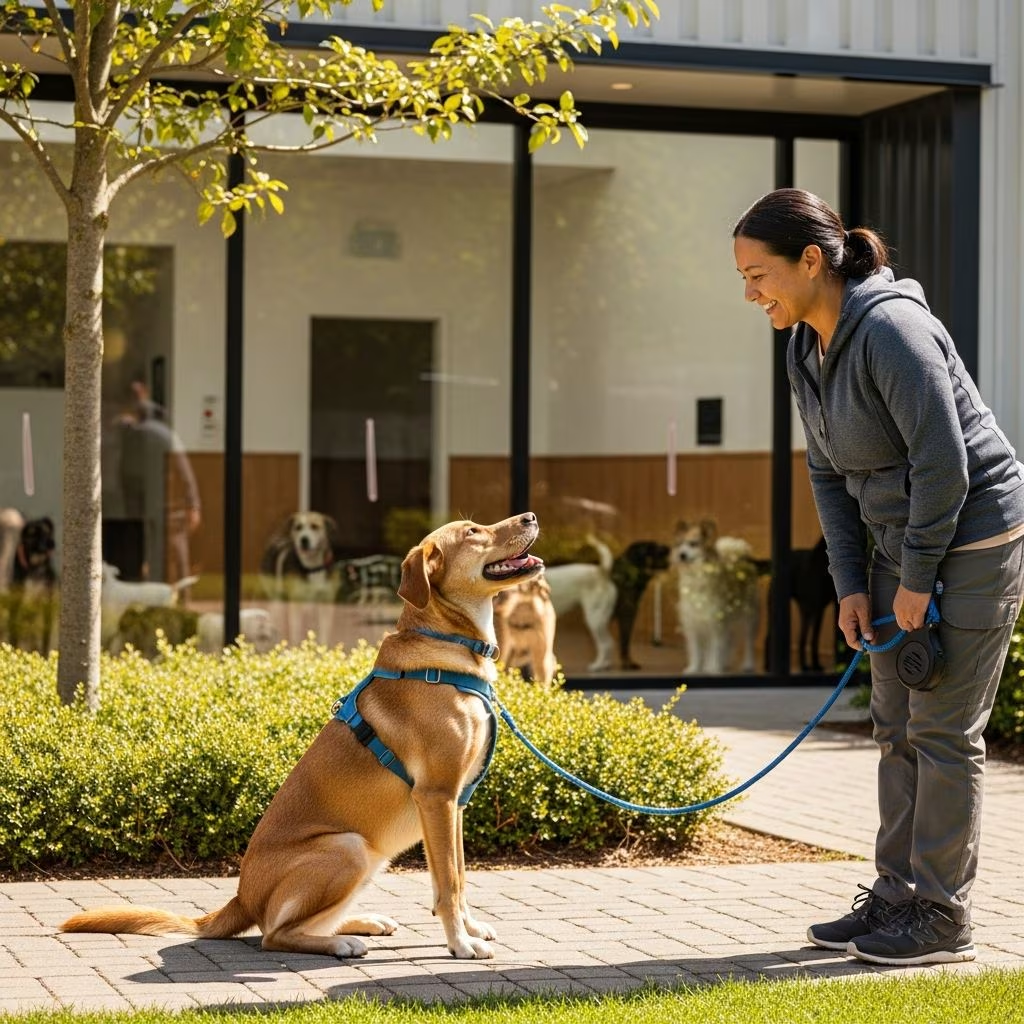
Preparing your dog for daycare, kennels, or professional walkers ensures a positive experience for both you and your pup. Whether for holidays, workdays, or regular exercise, proper preparation reduces stress, promotes good behavior, and keeps your dog safe and happy in new environments.
Find the Right Daycare or Walker
Selecting the appropriate daycare facility or dog walker is the foundation of successful pet care. Start with recommendations from friends, family, trainers, or local pet communities to identify reputable options.
Visit facilities without your dog initially to evaluate cleanliness, safety measures, and staff interactions. For walkers, meet them in person to assess reliability and compatibility with your dog.
Essential Questions to Ask
During visits or consultations, ask targeted questions to gauge quality:
- Do you have valid insurance and licenses? Confirm coverage for accidents and liabilities.
- What are your emergency protocols, including nearest vet partnerships?
- What staff qualifications do you hold, such as pet first aid or behavior certifications?
- Can we schedule a trial period or evaluation session?
- What are drop-off/pick-up policies, vaccination requirements, and handling for different dog sizes, ages, and temperaments?
- For walkers: How do you handle weather, routes, and group walks? What apps or updates do you provide?
Match responses to what you observe. Licensed facilities prioritize safety and structured environments.
Introduce Your Dog to the Facility or Walker
Gradual introductions build familiarity and reduce anxiety. Organize short visits to the daycare or initial walks with the professional.
Use positive reinforcement: reward calm behavior with treats and praise. For daycares, arrange trial sessions (a day or week) to monitor adjustment. Observe your dog post-visit for hyperactivity, restlessness, or digestive issues indicating stress.
Many facilities require trials; some mandate probation periods like five sessions. Request updates, photos, or CCTV access. For walkers, start with short 15-30 minute sessions, gradually increasing duration while noting your dog’s comfort.
How to Train Your Dog for Daycare and Walkers
Training bridges the gap between home and professional care. Focus on separation tolerance, obedience, and comfort in crates or leashes.
Practice short separations at home, rewarding calm returns. Build up to longer absences so your dog learns you’ll return.
Ensure Proper Socialization
Socialization prevents overload in group settings. Expose your dog to various dogs, people, and environments early.
Visit parks to observe groups playing, then join gradually with treats. Address resource guarding by practicing sharing toys/food in controlled settings. Well-socialized dogs exhibit less anxiety and better play.
Top Up on Basic Training
Refresh commands like sit, stay, come, and heel. Ensure toilet training and car ride comfort.
Acclimate to crates for nap times; practice handling around neck/harness for easy leashing. Inform staff/walkers of cues they respond to best.
Address Behavioral Issues and Anxiety
For anxious dogs, replicate scenarios: watch dog groups from afar, then approach slowly. Work with trainers for large-group comfort.
Use positive reinforcement; step back if stressed. Short home separations and comfort items ease transitions.
Pack Appropriately for Daycare or Walks
A well-packed bag mimics home comforts. Essentials include:
- Current vaccinations and health records (rabies, distemper, Bordetella, flea/tick prevention).
- Regular food, medications with instructions.
- Collar/ID tag, leash, harness.
- Familiar blanket/toy smelling of home.
- For walks: Weather-appropriate gear, waste bags, portable water bowl.
For daycares, include labeled meals if feeding on-site. Clear instructions prevent mix-ups.
Health and Vaccination Requirements
Up-to-date vaccines are mandatory for group settings to prevent outbreaks like kennel cough. Common requirements: rabies, distemper, parvovirus, Bordetella.
Consult your vet; provide records upfront. Flea/tick preventives protect all dogs.
Establish Routines and Communication
Morning routines calm nerves: exercise, potty breaks before drop-off. Consistent schedules build security.
Maintain open lines with staff/walkers. Request daily reports, photos, or calls. Apps for real-time updates enhance transparency.
Benefits of Daycare and Professional Walkers
Daycare provides socialization, exercise, and mental stimulation, combating boredom. Walkers ensure daily activity for busy owners, improving health and behavior.
Supervised play reduces destructive tendencies at home.
Frequently Asked Questions (FAQs)
What vaccinations does my dog need for daycare?
Typically rabies, distemper, parvovirus, and Bordetella (kennel cough). Confirm with the facility and your vet.
How do I know if daycare is right for my dog?
Assess socialization skills; trial visits reveal fit. Look for happy demeanor post-stay.
Can anxious dogs attend daycare?
Yes, with preparation like gradual exposure and training. Consult professionals if severe.
What should I pack for a dog walker?
Leash, waste bags, water bowl, treats, and any meds. Include contact info.
How long is a trial period?
Often 1 day to 1 week; some require 5 sessions probation.
Monitoring Your Dog’s Adjustment
Post-daycare/walk, check for stress signs: lethargy, diarrhea, excessive panting. Happy dogs are tired but content. Adjust if needed.
Long-term, consistent care fosters routine-loving pups eager for outings.
References
- How to Prepare Your Dog for Daycare When You Go on Holiday — Kinship UK. 2023. https://www.kinship.com/uk/dog-behaviour/how-to-prepare-your-dog-for-daycare-kennels
- Preparing Your Dog for Their First Boarding or Daycare Stay — The Barking Dog AZ. 2024. https://thebarkingdogaz.com/preparing-your-dog-for-their-first-boarding-or-daycare-stay/
- A Step-by-Step Guide to Your Dog’s First Daycare Experience — Gingr App. 2023-10-15. https://www.gingrapp.com/blog/a-step-by-step-guide-to-your-dogs-first-daycare-experience
- Should You Send Your Pup to Dog Daycare? — Kinship. 2024. https://www.kinship.com/dog-lifestyle/dog-daycare
- American Veterinary Medical Association: Kennel Cough Prevention — AVMA (.gov equivalent authority). 2025-01-01. https://www.avma.org/resources-tools/pet-owners/petcare/kennel-cough



