

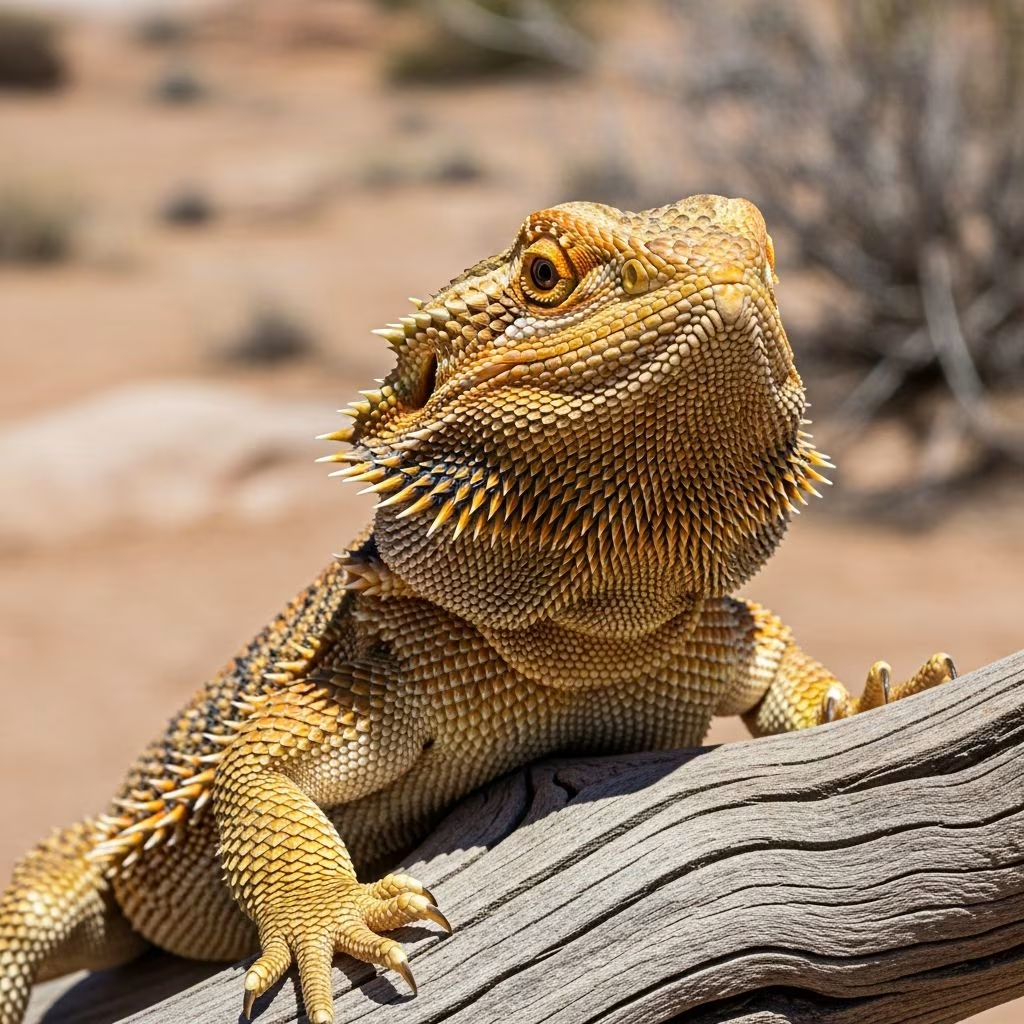
How Big Can a Bearded Dragon Get?
Bearded dragons are fascinating reptiles that experience remarkable growth throughout their first couple of years of life. Understanding how large these creatures can become is essential for prospective and current owners to ensure they provide adequate housing, nutrition, and care. From tiny hatchlings measuring just a few inches to fully grown adults reaching nearly two feet in length, bearded dragons transform significantly as they mature. This comprehensive guide explores the growth trajectory of bearded dragons, examining the various stages of development and the factors that influence their final size.
Average Size of Adult Bearded Dragons
A fully grown bearded dragon typically measures between 18 to 24 inches in length from head to tail. However, the final size can vary considerably depending on several factors, including species type, genetics, gender, and quality of care provided throughout their life. The most common species kept as pets, the Central Bearded Dragon (Pogona vitticeps), tends to reach sizes between 15 to 24 inches, making it one of the larger bearded dragon species available in the pet trade.
Male bearded dragons generally grow larger than their female counterparts. Male dragons commonly reach sizes up to 24 inches in length, while females typically grow to around 20 inches. This sexual dimorphism is one of the defining characteristics of the species and becomes increasingly apparent as dragons mature.
Bearded Dragon Growth Stages
Bearded dragons progress through several distinct growth stages during their development. Understanding these stages helps owners set appropriate expectations and provide species-specific care at each phase of life.
Hatchling Stage (0-2 Months)
The hatchling stage represents the beginning of a bearded dragon’s life. At this stage, hatchlings measure approximately 3 to 4 inches in length and weigh only 4 to 6 grams. Despite their diminutive size, hatchlings are in a state of rapid development and can grow up to an inch per week with proper care and nutrition. This incredible growth rate means that hatchlings can nearly double their size within the first month of life.
During the hatchling phase, these tiny dragons are extremely vulnerable and require careful handling and monitoring. They need appropriate heating, UVB lighting, and a diet consisting primarily of small insects to support their rapid growth and development.
Juvenile Stage (2-7 Months)
The juvenile stage spans approximately five months and represents a period of continued rapid growth. Juvenile bearded dragons measure between 6 to 17 inches in length and weigh between 20 to 250 grams. During this stage, juveniles experience their most substantial growth spurts, increasing their size by 1 to 3 inches per month. This is the period when owners often observe the most dramatic changes in their dragon’s appearance and behavior.
The intensive growth during the juvenile stage requires substantial nutritional intake. Juveniles need a diet high in protein from insects to fuel their development. Owners should expect their juvenile dragons to consume large quantities of appropriately-sized insects during this phase.
Sub-Adult Stage (7-12 Months)
As bearded dragons progress beyond the juvenile stage, their growth rate begins to slow somewhat, though development continues steadily. During this phase, sexual characteristics become more pronounced, and owners can definitively determine their dragon’s gender. Male dragons display increasingly dominant behaviors, including head bobbing and dark black beard coloration, while females tend to be more passive and laid-back.
Adult Stage (12+ Months)
Bearded dragons reach full adult size between 12 to 18 months of age, though some individuals may continue growing until 24 months old. At this stage, adults typically measure 18 to 24 inches in length and weigh between 350 to 650 grams. Once bearded dragons reach adulthood, they stop increasing in length but may continue to gain width and develop more robust body structure.
Adult dragons experience a significant personality shift. They become more laid-back and relaxed compared to their juvenile counterparts, having developed a complete understanding of their environment and the humans who care for them. At approximately 2 years of age, dragons achieve their full behavioral maturity and demonstrate a clear recognition of their owners and daily routines.
Growth Rate and Timeline
Bearded dragons experience extraordinary growth during their first year of life. Hatchlings start at just 3 inches and can reach their full adult size within 12 months, representing growth of 4,000 times their birth weight. This phenomenal expansion requires dedicated attention to nutrition, environmental conditions, and general care.
The growth rate varies among individual dragons. Some bearded dragons reach adult size well before their first birthday, while others may require up to 18 months to complete their growth cycle. The best method for monitoring individual growth is to weigh your dragon weekly and ensure steady weight gain rather than comparing your dragon to others of the same age.
Factors That Influence Bearded Dragon Size
Several key factors play important roles in determining how large a bearded dragon will ultimately become. Understanding these influences allows owners to optimize conditions for healthy, appropriate growth.
Gender
Sexual dimorphism significantly affects final size, with males typically growing larger than females. Male dragons can reach up to 24 inches in length, while females generally max out around 20 inches.
Genetics and Species Type
The species type and individual genetics establish the baseline for potential size. Central Bearded Dragons generally grow larger than some other species. Some bloodlines within species naturally produce larger or smaller individuals.
Lighting and Temperature
Proper UVB lighting and temperature gradients are critical for healthy growth. Bearded dragons require basking spots maintained at 95-110°F and cooler areas for thermoregulation. Inadequate lighting and improper temperatures can significantly stunt growth and cause metabolic disorders.
Diet Quality and Nutrition
The quality and variety of food provided directly impacts growth rates and final size. Hatchlings and juveniles require a diet high in appropriately-sized insects supplemented with calcium and vitamins. As dragons mature, the ratio shifts to include more vegetables and greens, with less protein to prevent obesity in adults.
Hydration
Proper hydration supports all bodily functions, including growth and development. Bearded dragons obtain water through their food and by drinking from droplets and shallow water dishes. Dehydration can impair growth and overall health.
Calcium Supplementation
Adequate calcium supplementation is essential for proper bone development and preventing metabolic bone disease. Calcium deficiencies during critical growth periods can result in permanent deformities and stunted growth.
Brumation Timing
Brumation is a hibernation-like state that bearded dragons may enter during cooler months. If brumation occurs before 12 months of age, it can stunt growth and delay the achievement of full adult size.
Stress Levels
Chronic stress negatively impacts growth rates and overall health. Stressful environments with inadequate hiding spaces, excessive handling, or aggressive tank mates can inhibit growth and development.
Illness and Disease
Any illness, particularly metabolic bone disease or infections occurring during critical growth periods, can significantly stunt growth and cause permanent damage. Regular health monitoring and prompt veterinary intervention are crucial.
Growth Chart Reference
The following table provides a general reference for expected bearded dragon sizes at various ages:
| Age | Size (Inches) | Weight (Grams) |
|---|---|---|
| Hatchling (0-1 month) | 3-4 | 4-6 |
| Baby (1-3 months) | 3-9 | 4-20 |
| Juvenile (3-11 months) | 8-24 | 20-400 |
| Sub-Adult (11-12 months) | 16-24 | 350-465 |
| Adult (12+ months) | 18-24 | 350-650 |
Ensuring Healthy Growth
To promote optimal growth in your bearded dragon, maintain proper environmental conditions including appropriate temperature gradients, quality UVB lighting, and clean enclosures. Provide a varied diet of appropriately-sized insects and vegetables tailored to your dragon’s age. Ensure regular calcium supplementation, maintain proper hydration, and monitor for signs of illness or stress. Regular health checks and veterinary visits can catch potential issues before they impact growth.
Housing Requirements as Dragons Grow
As bearded dragons grow, their housing needs expand accordingly. Hatchlings may initially be comfortable in 20-gallon tanks, but as they develop, they require increasingly larger enclosures. Adult bearded dragons need 75-120 gallons of space to move comfortably and exhibit natural behaviors. Providing appropriately-sized enclosures at each growth stage supports physical development and psychological well-being.
Signs of Healthy Growth
A healthy bearded dragon exhibits steady weight gain, maintains a good appetite, displays bright eyes, and shows smooth skin with regular shedding patterns. Active behavior and engagement with their environment indicate proper development. Conversely, stunted growth, lethargy, or irregular shedding may indicate health concerns requiring veterinary attention.
Frequently Asked Questions
Q: At what age do bearded dragons stop growing?
A: Most bearded dragons reach their full adult size between 12 to 18 months of age, though some continue growing until 24 months old. After this point, they may gain width but not additional length.
Q: Why is my bearded dragon smaller than expected for its age?
A: Stunted growth can result from inadequate nutrition, improper lighting and temperature, illness, early brumation, or genetic factors. If your dragon appears significantly smaller than expected, consult a reptile veterinarian to rule out health issues.
Q: Do male and female bearded dragons grow to different sizes?
A: Yes, males typically grow larger than females, reaching up to 24 inches compared to females’ average of 20 inches. Sexual dimorphism becomes increasingly apparent as dragons mature.
Q: How much should I feed my bearded dragon to support growth?
A: Hatchlings and juveniles should be fed insects multiple times daily, with juveniles consuming insects as often as every 4-6 hours. Adults need fewer insects and more vegetables. Portion sizes should be appropriate to each stage of development.
Q: Can bearded dragons outgrow their tanks?
A: Yes, bearded dragons quickly outgrow small enclosures. Hatchlings may start in 20-gallon tanks, but adults require 75-120 gallons of space. Upgrading enclosures as your dragon grows prevents stress and supports healthy development.
Q: What is the largest bearded dragon species?
A: The Central Bearded Dragon (Pogona vitticeps) is among the largest species, typically reaching 15 to 24 inches in length. This is the most common species kept as pets.
Q: How can I ensure my bearded dragon grows to full size?
A: Provide proper UVB lighting, maintain appropriate temperature gradients, offer a varied diet with proper calcium supplementation, ensure adequate hydration, keep the enclosure clean, minimize stress, and schedule regular veterinary check-ups.
References
- Bearded Dragon Growth Chart and Growth Rates — Dragon’s Diet. 2024. https://dragonsdiet.com/blogs/dragon-care/how-big-do-bearded-dragons-get
- How Big Do Bearded Dragons Get? Growth Stages and Size — REPTI ZOO. 2024. https://reptizoo.store/blogs/reptizoo-reptiles-blogs/how-big-do-bearded-dragons-get
- Life Cycle – Bearded Dragon Development Stages — Bearded Dragon Lady. http://www.beardeddragonlady.com/life-cycle.html
- Bearded Dragon Growth – From Hatchling to Adult — My Bearded Dragons. http://www.mybeardeddragons.co.uk/gallery.html



