

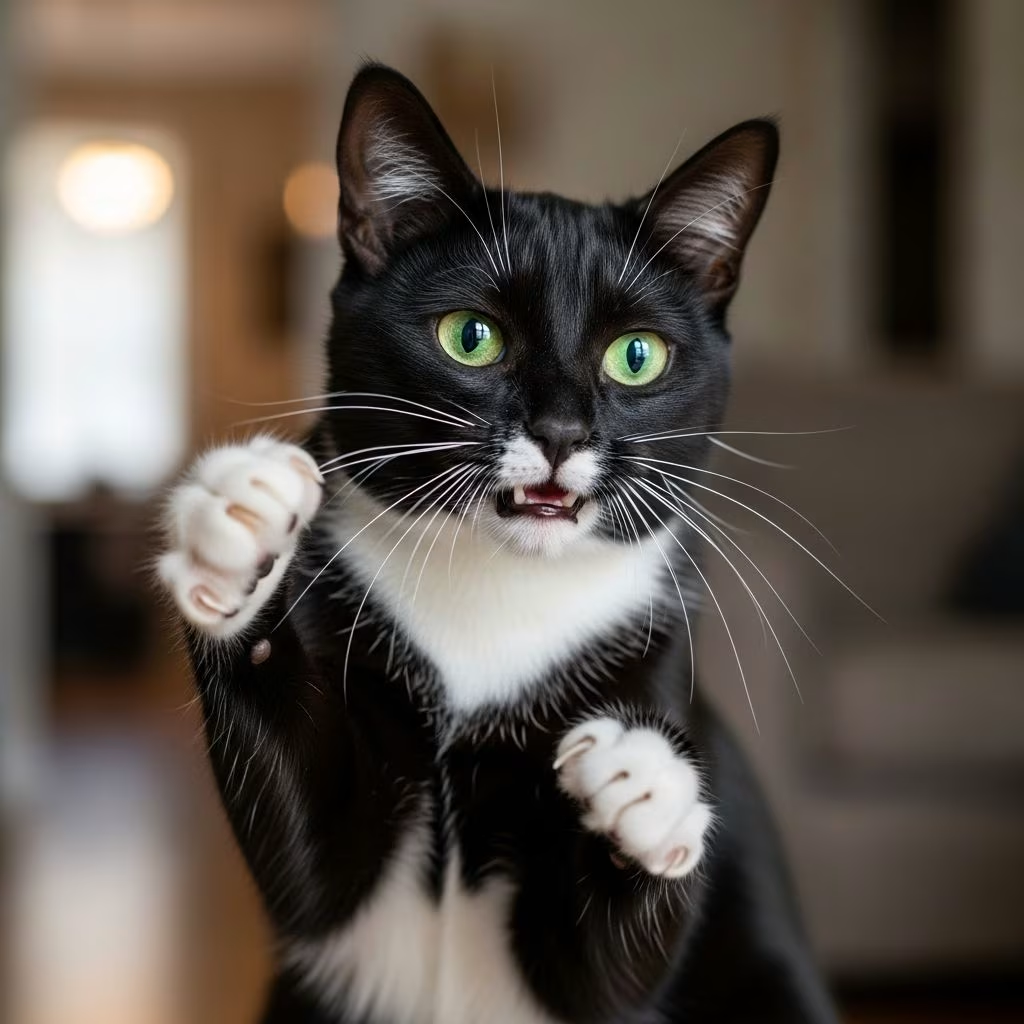
Tuxedo cats, with their striking black-and-white formalwear-like coats, captivate many pet owners. However, they carry a reputation for **\”tuxietude\”**—a blend of sass, independence, and occasional aggression. While no definitive science proves tuxedo cats are inherently more aggressive, studies and owner reports suggest a correlation between their coat pattern and bolder behaviors. This article breaks down the facts, study findings, and practical advice for living with these charismatic cats.
What Are Tuxedo Cats?
Tuxedo cats are not a specific breed but a color pattern featuring predominantly black (or sometimes gray) fur with white markings on the chest, belly, paws, chin, and often whiskers, resembling a formal tuxedo. This bicolor pattern occurs across breeds like Domestic Shorthair, American Shorthair, or Persians.
Key characteristics include:
- Coat Pattern: Black body with white ‘vest’ and ‘shoes.’ Gray tuxedos exist but are less common.
- Gender: Can be male or female, unlike calicos which are almost always female due to genetics.
- Personality Stereotype: Known for independence, playfulness, and a touch of attitude, earning the nickname ‘tuxietude.’
Despite their elegant appearance, tuxedo cats often display spunky, assertive traits that can border on aggressive if not managed properly.
Can Color and Pattern Affect Cattitude?
Traditionally, cat temperament is linked to breed, but research explores if coat color influences behavior. A pivotal 2015 UK study in the Journal of Applied Animal Welfare Science tested this hypothesis with over 1,200 cat owners surveyed on reactions to petting, cuddling, vet visits, and play.
The study created an aggression scale based on owner reports of frequency and intensity in everyday scenarios. Findings challenged assumptions, indicating coat color may play a role in perceived temperament.
The Study Results
The research ranked coat patterns by aggression levels, with tuxedo cats leading the pack.
| Rank | Coat Color/Pattern | Aggression Traits |
|---|---|---|
| 1 | Black-and-White (Tuxedo) | Highest overall aggression; prefer interactions on their terms; resistant to handling. |
| 2 | Calico/Tortoiseshell-White | Anti-social, less affectionate, moodiest. |
| 3 | Gray-and-White Tuxedo | Aggressive during vet visits; handling resistance. |
| Low | Tabbies, All-Black, All-Gray | Easygoing, docile, more accepting of affection. |
Tuxedo cats scored highest for aggression in daily interactions, vet visits, and handling. They resist human-initiated affection, demanding control over timing and duration. Calicos showed low affection needs, while gray tuxedos bristled at vets. Tortoiseshells earned ‘moodiest’ label.
Does This Mean All Tuxedo Cats Are Aggressive?
No—individual variation trumps generalizations. The study highlights tendencies, not universals. Many tuxedo cats are sweet, social lap cats. Factors like genetics, early socialization, environment, and breed influence behavior more than color alone.
A 2019 study noted inheritable traits in breeds, but since tuxedo is a pattern, not breed-specific, personalities differ widely. Your tuxie might be a gentle cuddler or a wall-climbing wild child—both are possible. Owners report mellow females alongside feisty ones.
Are Tuxedo Cats Affectionate?
Yes, but selectively. Tuxedos bond deeply but on their schedule, blending affection with independence. They thrive on play and short cuddle sessions, rebelling against prolonged handling. Proper upbringing fosters loving traits, countering aggression.
- Affectionate Side: Loyal, playful, enjoys human company when initiated by them.
- Cattitude: Sudden mood shifts; nips if overstimulated.
- Tip: Respect boundaries to build trust.
Tuxedo Cat Personality Traits
Beyond aggression, tuxedos exhibit:
- Intelligence: Quick learners, problem-solvers.
- Playfulness: High energy, loves toys and hunting games.
- Social: Often good with other cats if introduced young; variable with dogs.
- Vocal: Communicative with chirps, meows, and trills.
- Grooming: Short-haired varieties are low-maintenance.
Most get along well in multi-cat homes when socialized early.
Managing Tuxietude: Tips for Owners
Channel their energy positively:
- Provide enrichment: Scratching posts, puzzle feeders, high perches.
- Socialize early: Expose to people, pets, handling.
- Respect signals: Watch for ear flicks, tail swishes signaling ‘enough.’
- Exercise: 15-20 minutes daily play prevents boredom aggression.
- Vet care: Use pheromone sprays for visits; positive reinforcement.
- Spay/neuter: Reduces hormonal aggression.
Consistency builds confidence, minimizing outbursts.
Health Considerations for Tuxedo Cats
No color-specific issues, but monitor:
- Obesity from indoor lifestyles.
- Dental health in black-coated mouths.
- Standard vaccines, flea prevention.
Lifespan: 12-18 years with care.
Frequently Asked Questions (FAQs)
Are tuxedo cats more aggressive than other cats?
Studies show black-and-white tuxedos rank highest in owner-reported aggression, but individuals vary greatly.
Can tuxedo cats be affectionate?
Yes, they offer love on their terms—playful and loyal with proper boundaries.
Are tuxedo cats always male?
No, they can be male or female equally.
How do I reduce my tuxedo cat’s aggression?
Enrich environment, socialize early, respect signals, provide exercise.
Do tuxedo cats get along with other pets?
Often yes, especially if raised together; supervise introductions.
Conclusion
Tuxedo cats’ aggression is more stereotype than rule, rooted in study trends but overridden by individuality. Embrace their tuxietude with patience and enrichment for a rewarding bond with these elegant, spirited companions.
References
- Human Reactions to Animal Temperament: Differences Between Coat Color and Aggression — M. Delgado et al., Journal of Applied Animal Welfare Science. 2015. https://www.tandfonline.com/doi/full/10.1080/10888705.2015.1016209
- Cat Temperament and Coat Color Study Review — Hepper Pet Resources. 2023. https://articles.hepper.com/are-tuxedo-cats-aggressive/
- Owner Perception of Feline Temperament by Coat Type — Cole and Marmalade. 2019-09-28. https://coleandmarmalade.com/2019/09/28/study-shows-black-and-white-cats-most-likely-to-have-cattitude/
- Tuxedo Cat Personality and Health Facts — Cats.com Editorial Team. 2024. https://cats.com/tuxedo-cat
- Veterinary Insights on Coat Color and Behavior — IVDD Surgery Center. 2023. https://ivddsurgery.com/are-tuxedo-cats-more-aggressive-than-other-coat-types-facts-faq/



