

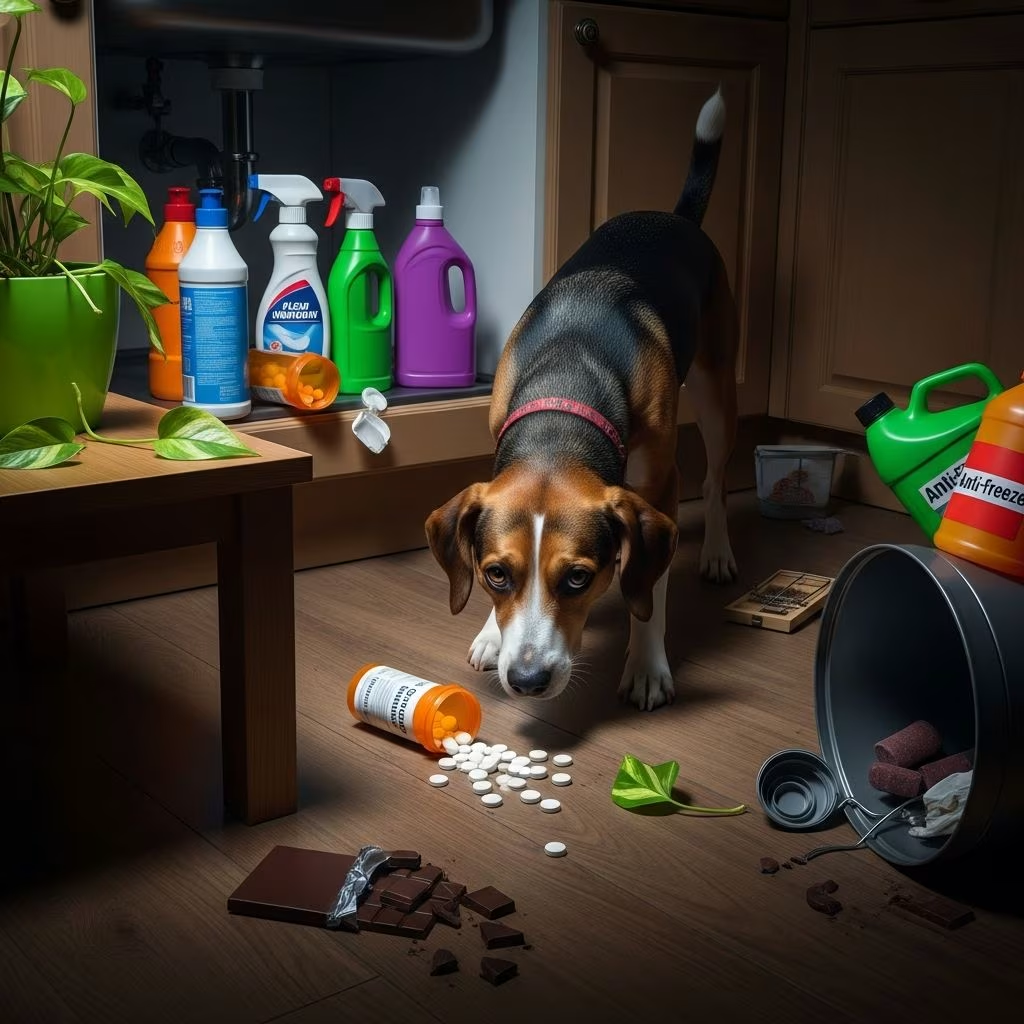
Dog owners often underestimate the number of hazards lurking within their homes. Many everyday items that are perfectly safe for humans can pose serious or even life-threatening dangers to our canine companions. Understanding which household substances and foods are toxic to dogs is essential for preventing accidental poisonings and ensuring your pet’s long-term health and safety.
Toxic Foods in Your Kitchen
The kitchen is one of the most dangerous rooms in your home for dogs. Many foods we consume regularly can cause severe reactions in dogs due to their different metabolic processes and sensitivities.
Chocolate and Caffeine Sources
Chocolate contains theobromine and caffeine, compounds that dogs cannot metabolize efficiently like humans can. The level of toxicity varies based on the type of chocolate consumed. Dark chocolate and baking chocolate are significantly more dangerous than milk chocolate because they contain higher concentrations of these toxic compounds. Even small amounts of dark chocolate can cause serious health problems, while larger quantities of milk chocolate may be required to produce the same effects. Symptoms of chocolate toxicity include vomiting, tremors, rapid heart rate, seizures, and in severe cases, heart arrhythmias.
Grapes and Raisins
Grapes and raisins are among the most dangerous foods for dogs, capable of causing acute kidney failure even in small quantities. The exact toxic component in these fruits has not been definitively identified, but the danger is well-documented. Dogs ingesting grapes or raisins may experience vomiting, lethargy, abdominal pain, and a dramatic decrease in urine output within 24 to 72 hours. Kidney failure can develop rapidly and may be irreversible, making immediate veterinary intervention critical.
Foods Containing Xylitol
Xylitol, an artificial sweetener found in many sugar-free products, causes a rapid and life-threatening drop in blood sugar in dogs. This sweetener is present in sugar-free gum, candy, peanut butter, baked goods, and some medications. Within 30 minutes of ingestion, dogs may experience hypoglycemia symptoms including weakness, tremors, seizures, and loss of coordination. Additionally, xylitol can cause severe liver damage that may lead to liver failure. Even small amounts can trigger these serious reactions.
Allium-Containing Vegetables
Onions, garlic, and chives all belong to the allium family and are toxic to dogs in both raw and cooked forms. These vegetables contain compounds that cause oxidative damage to red blood cells, leading to hemolytic anemia. Symptoms may not appear immediately but can develop over several days. Dogs exposed to these foods may show signs of weakness, pale gums, reduced appetite, and dark-colored urine as their red blood cells break down.
Other Dangerous Foods
Additional foods requiring caution include:
- Macadamia nuts: Can cause weakness, tremors, vomiting, and elevated body temperature even in small amounts.
- Avocado: The leaves, skin, and pit contain persin, a compound toxic to some animals, and the pit poses a choking hazard.
- Alcohol: Even small quantities cause intoxication, disorientation, respiratory distress, and potentially life-threatening metabolic changes.
- Raw yeast dough: Ferments in the warm stomach environment, producing ethanol and causing bloat, a potentially fatal condition.
- Cooked bones: Can splinter and cause intestinal obstruction or perforation.
- Fatty or salty foods: May trigger pancreatitis, an inflammation of the pancreas that causes severe pain and potential organ damage.
Household Cleaning Products and Chemical Hazards
The products we use to maintain clean homes often contain harsh chemicals that pose significant risks to dogs through ingestion, inhalation, or skin contact.
Common Cleaning Agents
Bleach, ammonia-based cleaners, and disinfectants can cause severe chemical burns to the mouth, esophagus, and stomach lining if ingested. The fumes from these products can also irritate a dog’s respiratory system, causing coughing and breathing difficulties. After using any cleaning products, rinse all surfaces thoroughly and allow them to dry completely before allowing your dog to walk or play in the area.
Laundry Products
Laundry detergent pods and liquid laundry detergent can cause stomach upset and irritation to the mouth and throat, with some cases producing serious and life-threatening symptoms. Even more dangerous are laundry dryer sheets and fabric softeners, which contain cationic detergents capable of causing severe chemical burns and ulcers throughout the mouth, esophagus, and stomach. Unused dryer sheets are particularly hazardous. Additionally, these sheets can lodge in the stomach or intestines, creating a foreign body obstruction that may require emergency surgery.
Antifreeze and Engine Fluids
Antifreeze contains ethylene glycol, which is highly toxic to animals even in small amounts. The danger lies in its attractive sweet smell and taste, which can lure unsuspecting dogs into drinking it. Small spills from changing vehicle fluids or leaky radiators can leave dangerous puddles in garages or driveways that dogs may lap up. Ingestion of antifreeze causes severe damage to the kidneys and can be fatal without immediate veterinary treatment.
Pest Control and Garden Products
Products designed to manage outdoor pests and maintain lawns can pose serious dangers if accessible to dogs.
Rodenticides and Insecticides
Rat and mouse poisons can cause internal bleeding, brain swelling, or kidney failure in dogs. Insecticide sprays, baits, and foggers can trigger neurological symptoms including tremors and seizures if ingested. Snail and slug baits containing metaldehyde are extremely toxic, potentially triggering severe seizures and life-threatening increases in body temperature.
Fertilizers and Mulch
Many lawn fertilizers contain dangerous combinations of nitrogen, phosphorus, and iron that cause severe stomach upset. Cocoa mulch deserves special attention, as it is made from cacao bean shells and contains theobromine, the same toxic compound found in chocolate. Pet owners should be particularly cautious when using cocoa mulch in landscaping, especially in areas where dogs have access.
Medications and Other Toxic Substances
Human Medications
Both prescription and over-the-counter human medications pose serious dangers to dogs. The most commonly ingested and dangerous medications include ADHD medications, antidepressants, heart medications, and pain relievers like acetaminophen (Tylenol). All medications should be stored in secure locations out of your dog’s reach, including portable pill containers in purses and suitcases.
Surprising Household Items
Several unexpected items around the home can be dangerous to dogs:
- Batteries: Chewing on batteries can expose dogs to dangerous alkaline and acidic compounds, even without swallowing the entire battery.
- Pennies and coins: Older pennies contain zinc, which can cause hemolytic anemia and organ damage.
- Play-Doh: Can cause intestinal obstruction if ingested in significant quantities.
- Potpourri: Many types contain oils and dried materials that can irritate the digestive system.
- Tobacco and cigarette products: Contain nicotine that causes hyperexcitability, hypersalivation, rapid breathing, and potentially muscle weakness, collapse, and death at high doses.
Airborne and Absorbed Toxins
Not all toxic exposures require ingestion. Dogs can suffer harm from inhaled or absorbed substances.
Respiratory Irritants
Cigarette smoke and vaping products can lead to respiratory irritation and long-term lung damage in dogs. Paint fumes, glue, and solvents contain chemicals that cause dizziness, nausea, and nervous system effects. Even toilet water can become problematic if treated with strong chemical cleaners.
Essential Oils
While popular among humans, certain essential oils such as tea tree, eucalyptus, and cinnamon can cause vomiting, tremors, or liver toxicity in dogs. These oils can be absorbed through the skin or inhaled through the respiratory tract, making them dangerous even without direct ingestion.
Prevention Strategies and Safety Measures
Protecting your dog from household toxins requires vigilance and prevention. Store all dangerous substances in secure locations where your dog cannot access them. Keep medications, cleaning products, pest control items, and automotive fluids locked away or stored on high shelves. After using cleaning products, ensure all surfaces are completely dry before allowing your dog to access the area. Supervise your dog during activities in the yard where pesticides or fertilizers have been applied.
Be aware of food-related dangers during holidays and family gatherings when more rich foods and desserts are present in your home. Educate family members and visitors about which foods and substances are dangerous for your dog to prevent accidental exposure.
What to Do If Your Dog Ingests Something Toxic
If you suspect your dog has ingested something toxic, time is critical. Contact your veterinarian or an emergency veterinary clinic immediately, providing as much information as possible about what your dog consumed, when the ingestion occurred, and your dog’s current symptoms. Try to identify the specific product or food involved, as this information helps veterinarians determine the appropriate treatment. Do not attempt home remedies or induce vomiting without professional guidance, as some substances cause more damage on their way back up.
Frequently Asked Questions
How quickly do symptoms of poisoning appear in dogs?
The timeline varies depending on the toxin involved. Some substances cause immediate symptoms within 15-30 minutes, while others take 24-72 hours to show effects. Grapes and raisins, for example, may not show symptoms immediately but can cause kidney damage within days.
Are all dogs equally susceptible to toxic substances?
No, smaller dogs are often affected by smaller quantities of toxic substances compared to larger dogs. Additionally, individual dogs may have different sensitivities based on their health status, age, and genetic factors.
Is there an antidote for most dog poisonings?
Some toxins have specific antidotes or treatments, while others require supportive care. This is why immediate veterinary attention is crucial—treatment depends on the specific toxin and the dog’s condition.
Can I give my dog activated charcoal if he eats something toxic?
Activated charcoal should only be given under veterinary supervision. It is not appropriate for all types of poisonings and can interfere with some medications or treatments.
References
- Poisonous Household Products — American Society for the Prevention of Cruelty to Animals (ASPCA). https://www.aspca.org/pet-care/aspca-poison-control/poisonous-household-products
- Common Household and Environmental Toxins for Dogs — Hershey Veterinary Clinic. https://hersheyanimaler.com/blog/household-and-environmental-toxins-for-dogs/
- 10 Common Household Items That Are Toxic to Pets — Coolidge Veterinary Hospital. https://www.coolidgevet.com/services/blog/10-common-household-items-are-toxic-pets
- What Common Household Items Are Toxic to Pets? — American Animal Hospital Association (AAHA). https://www.aaha.org/resources/household-pet-toxins/
- 15 Surprising Pet Poisons – Keep Your Pet Safe — MedVet. https://www.medvet.com/15-surprising-pet-poisons/
- Toxic Household Products — Wisconsin Humane Society. https://www.wihumane.org/toxic-household-products



