

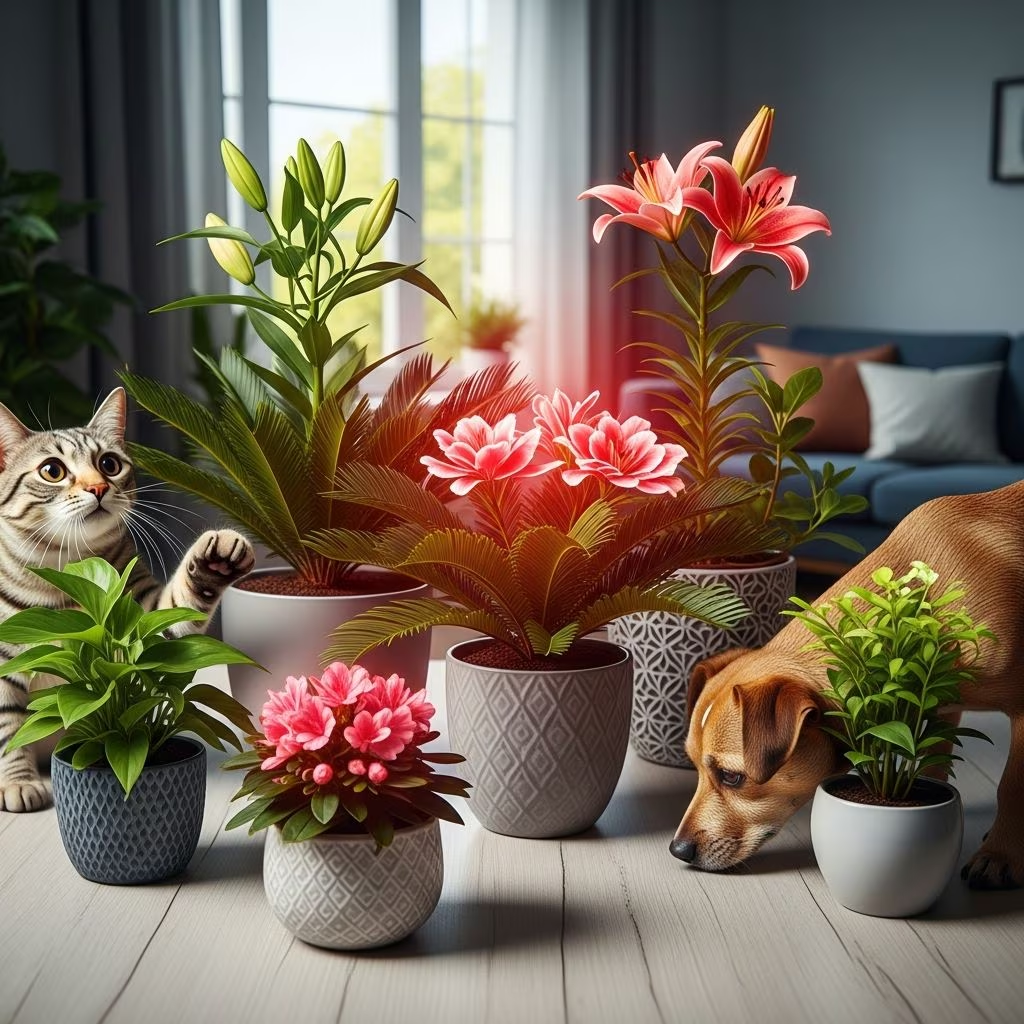
Pet owners often fill their homes and gardens with beautiful plants without realizing that many common varieties pose serious health risks to their beloved animals. Whether you have dogs, cats, or other pets, understanding which plants are hazardous is essential for maintaining a safe living environment. This guide identifies the most dangerous plants found in typical households and provides crucial information about their toxic properties, symptoms of poisoning, and prevention strategies.
Understanding Plant Toxicity in Pets
Plants contain various chemical compounds that can affect animals differently than humans. When pets ingest or contact certain plants, their bodies cannot process these compounds effectively, leading to poisoning. The severity of toxicity varies based on several factors, including the plant species, the amount consumed, which part of the plant was ingested, and the size and health status of the animal. Some plants cause only mild gastrointestinal upset, while others can result in organ failure or death if ingested in sufficient quantities.
The toxic principle—the actual compound responsible for poisoning—varies widely among plants. Understanding these compounds helps pet owners appreciate why certain plants are more dangerous than others. For example, some plants contain alkaloids that affect the nervous system, while others contain calcium oxalates that cause chemical burns in the mouth and throat. Recognition of these differences is vital for determining the appropriate response if a pet ingests a toxic plant.
Spring and Summer Blooming Threats
The warmer months bring an explosion of flowering plants, many of which are highly toxic to pets. These plants are particularly dangerous because their blooms and new growth attract curious animals.
Bulb-Based Flowering Plants
Tulips rank among the most commonly grown spring flowers, but their bulbs contain toxins that cause severe gastrointestinal distress in dogs and cats. The highest concentration of toxic compounds is found in the bulb itself, making digging pets especially vulnerable. Ingestion leads to vomiting, depression, and diarrhea. Hyacinth bulbs pose similar risks, causing intense vomiting, diarrhea, depression, and tremors when consumed.
Daffodils and narcissus plants contain alkaloids and other compounds including lycrorine, narcissine, and galantamine that trigger severe gastrointestinal symptoms and convulsions. These bulbs are particularly dangerous because they are sometimes fed to livestock during emergencies, indicating their significant toxicity even in small quantities.
Amaryllis bulbs and plants cause vomiting, diarrhea, and abdominal pain. These festive holiday plants require careful placement in homes with curious pets who might nibble on fallen leaves or dig into the soil.
Perennial Garden Hazards
Foxglove presents a cardiac threat, as the plant affects heart function by causing cardiac arrhythmias. This beautiful biennial is deadly enough that even small ingestions can prove fatal. Larkspur and delphinium contain steroidal alkaloids that cause muscle weakness, salivation, vomiting, and potentially death from central respiratory depression. Lily of the valley contains cardenolides that trigger vomiting, irregular heartbeat, low blood pressure, disorientation, and potentially seizures or coma.
Year-Round Indoor Plant Dangers
Houseplants present constant risks regardless of season. Many pet owners select these plants for their air-purifying properties or aesthetic appeal without recognizing their toxicity.
Ornamental Foliage Plants
Snake plants contain saponins that cause nausea, vomiting, and diarrhea. These low-maintenance succulents are popular in modern homes but require secure placement away from pets. Aloe contains anthraquinone glycosides, causing vomiting, diarrhea, tremors, urine color changes, depression, and appetite loss. While not typically life-threatening, aloe ingestion causes significant discomfort.
Calla lilies contain insoluble calcium oxalates spread throughout all plant parts. These microscopic crystals cause intense oral irritation, excessive drooling, difficulty swallowing, and vomiting. The irritation is severe enough that some animals refuse to eat after exposure. Iris plants contain pentacylic terpenoids causing salivation, vomiting, lethargy, and diarrhea.
Holiday and Special Occasion Plants
Decorative plants brought into homes for holidays warrant special attention. Wisteria contains lectin that causes vomiting, diarrhea, and depression. Geranium plants contain geraniol and linalool, resulting in vomiting, appetite loss, depression, skin irritation, and gastrointestinal upset.
Shrubs and Woody Plants
Many landscape plants are equally dangerous to indoor varieties. Owners with yards or who bring branches indoors for decoration must be aware of these hazards.
Broad-Leaved Evergreens
Azaleas and rhododendrons contain grayantoxin, a compound causing vomiting, diarrhea, and potentially cardiac failure. The vibrant flowers attract attention, but all plant parts are toxic. Common boxwood contains steroidal alkaloids and other active principles. In horses, just 1.5 pounds represents a lethal dose. Ingestion causes gastroenteritis, bloody diarrhea, and potentially rapid death from respiratory failure. Common privet contains terpenoid glycosides that cause gastric irritation, abdominal pain, vomiting, and potentially death within hours to days.
Landscape Shrubs with Berries
Holly plants present danger through their berries and leaves. Heavenly bamboo (Nandina domestica) is a popular ornamental containing saponins and other compounds. Rowan trees and cotoneasters produce berries that attract pets but cause gastrointestinal upset.
Severe Toxins and Rapid-Acting Poisons
Some plants contain compounds so toxic that even small ingestions constitute emergencies.
Highly Concentrated Toxins
Castor bean plants contain ricin in their seeds—a potent toxin capable of causing death. This plant is sometimes grown ornamentally but poses extreme danger. Autumn crocus causes severe organ damage and potential fatality. Unlike spring crocus, autumn varieties are highly dangerous.
Cherry laurel and related plants in the Prunus family contain cyanogenic glycosides (amygdalin). This family member is particularly palatable to animals, leading to the most recorded poisoning cases. It is the most toxic member of its family due to foliage and pit toxicity. Signs include abdominal pain and vomiting, progressing rapidly to severe illness.
Seasonal Considerations and Prevention
Plant toxicity timing affects risk levels throughout the year. Spring presents risks from blooming plants and bulbs. Summer introduces herbaceous plants and flowering shrubs. Autumn brings toxic berries and seeds. Winter includes plants brought indoors for decoration.
Risk Reduction Strategies
- Place toxic plants in elevated locations inaccessible to pets
- Secure plants with barriers or fencing in outdoor spaces
- Remove fallen leaves, flowers, and berries promptly
- Avoid planting known toxic varieties in yards where pets spend time
- Train pets to avoid plants through behavioral correction
- Keep pets supervised during outdoor time in spring and early summer when new growth is most attractive
- Research plants before purchasing for home or garden
- Consult with veterinarians about pet-safe plant alternatives
Recognizing Poisoning Symptoms
Symptoms of plant poisoning manifest in various ways depending on the plant and amount ingested. Gastrointestinal signs are most common, including vomiting, diarrhea, drooling, and appetite loss. Neurological symptoms such as depression, tremors, incoordination, and seizures indicate more serious poisoning. Cardiac symptoms including irregular heartbeat and low blood pressure suggest life-threatening toxicity. Oral irritation signs such as excessive drooling and difficulty swallowing point to calcium oxalate exposure.
If plant poisoning is suspected, immediate veterinary attention is crucial. Bring a sample or photo of the plant ingested, as identifying the toxic species allows for appropriate treatment. Time is critical in toxin elimination and symptomatic support.
Plant Toxicity Comparison Table
| Plant Name | Primary Toxic Compound | Main Symptoms | Severity |
|---|---|---|---|
| Azalea/Rhododendron | Grayantoxin | Vomiting, diarrhea, cardiac failure | Severe |
| Calla Lily | Calcium oxalates | Oral irritation, drooling, vomiting | Moderate |
| Castor Bean | Ricin | Death | Extreme |
| Daffodil | Alkaloids | GI upset, convulsions | Severe |
| Foxglove | Cardiac glycosides | Cardiac arrhythmias | Extreme |
| Lily of the Valley | Cardenolides | Irregular heartbeat, seizures | Extreme |
| Snake Plant | Saponins | Nausea, vomiting, diarrhea | Mild-Moderate |
| Tulip Bulbs | Various toxins | Vomiting, depression, diarrhea | Moderate |
Frequently Asked Questions
Which part of toxic plants is usually most dangerous?
This varies by plant. Bulbs are often most concentrated in toxins (tulips, daffodils), while leaves and stems may be equally dangerous in other species. Berries attract pets but toxicity varies. Always assume all plant parts are toxic unless verified otherwise.
How quickly do poisoning symptoms appear?
Onset varies from minutes to hours depending on the plant and amount ingested. Cardiac toxins like foxglove may act very rapidly, while gastrointestinal irritants may take several hours to manifest.
Is there treatment for plant poisoning?
Treatment depends on the plant and symptoms. Veterinarians may induce vomiting, administer activated charcoal, provide IV fluids, or offer supportive care. Specific antidotes exist for some toxins but not others.
Are all pets equally at risk from toxic plants?
No. Toxicity is measured in severity and also by animal species susceptibility. Small animals are at greater risk from smaller ingestions. Horses are vulnerable to some plants dogs may tolerate.
What should I do if my pet eats a toxic plant?
Contact your veterinarian or emergency veterinary clinic immediately. Provide information about the plant, time of ingestion, and amount if possible. Do not wait for symptoms to develop.
Creating a Pet-Safe Environment
Building a truly safe space for pets requires vigilance and knowledge. Pet owners should conduct thorough audits of existing plants, removing dangerous varieties and replacing them with non-toxic alternatives. Many beautiful, safe plants thrive indoors and outdoors, offering aesthetic appeal without health risks. Consulting with veterinarians or horticulturists about pet-safe landscaping ensures that homes remain both beautiful and secure.
Education extends to family members and visitors who may not understand why certain plants are restricted. Clear communication about restrictions prevents accidental exposure and demonstrates commitment to pet safety. Regular monitoring of plants for fallen leaves, dying flowers, and seed production ensures prompt removal of hazardous material.
Pet owners who are uncertain about specific plants can contact poison control centers, veterinary clinics, or online resources that maintain comprehensive databases of plant toxicity. These resources provide peace of mind and guidance specific to individual animals and circumstances. Investment in plant safety yields lifelong benefits for cherished animal companions.
References
- Toxic Plants — Aurora Veterinary Care Community. 2024. https://www.auroravet.com/toxic-plants
- Toxic Plant Garden — UC Davis School of Veterinary Medicine. 2024. https://www.vetmed.ucdavis.edu/toxic-plant-garden
- Poisonous Plants — PDSA (People’s Dispensary for Sick Animals). 2024. https://www.pdsa.org.uk/pet-help-and-advice/looking-after-your-pet/all-pets/poisonous-plants
- Toxic and Non-Toxic Plants — ASPCA. 2024. https://www.aspca.org/pet-care/aspca-poison-control/toxic-and-non-toxic-plants
- Poisonous Range Plants of Temperate North America — Merck Veterinary Manual. 2024. https://www.merckvetmanual.com/multimedia/table/poisonous-range-plants-of-temperate-north-america
- Guide to Poisonous Plants — Colorado State University College of Veterinary Medicine and Biomedical Sciences. 2024. https://poisonousplants.cvmbs.colostate.edu



