

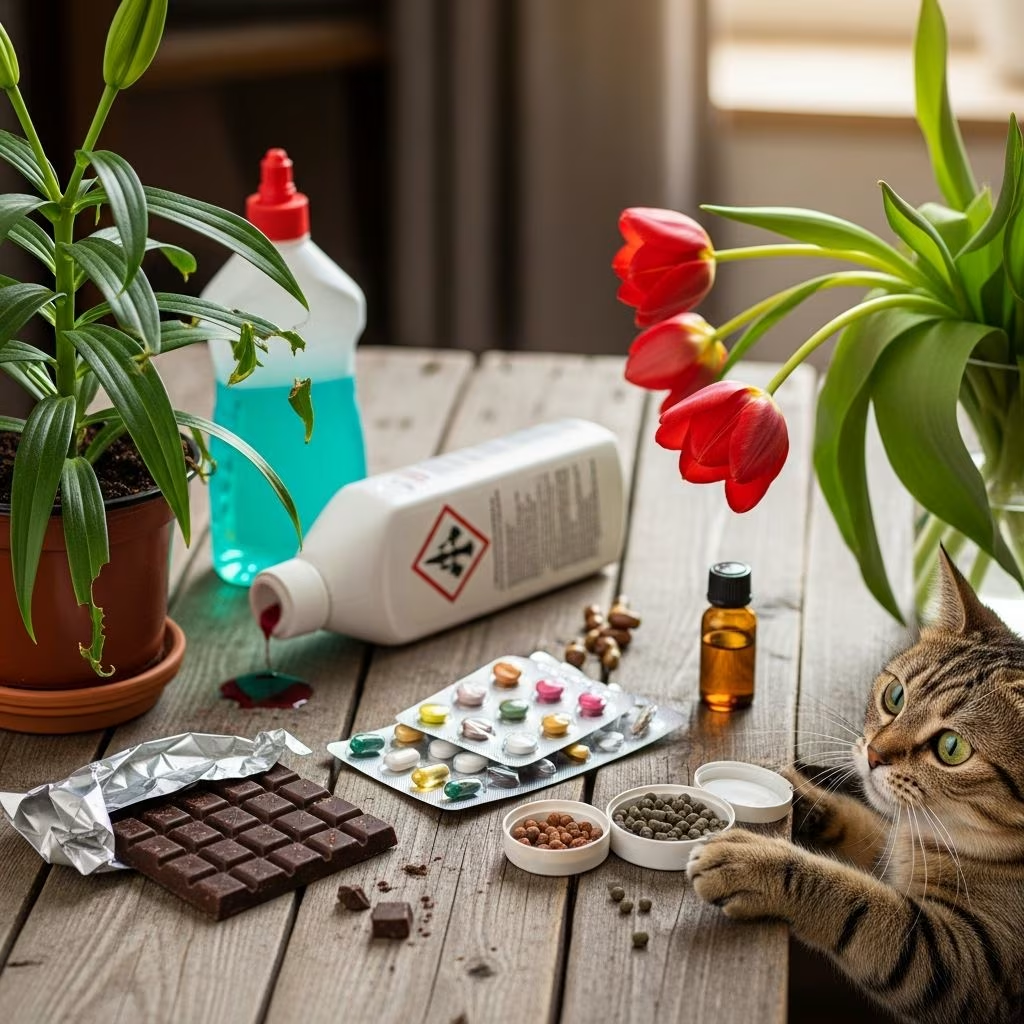
Household Items Toxic to Cats: A Comprehensive Vet’s Guide
As a cat owner, your home is filled with items that seem harmless to you but can pose serious risks to your feline companion. Cats are naturally curious creatures, and this inquisitiveness can lead them into dangerous situations. Understanding which household items are toxic to cats is essential for protecting your pet’s health and potentially saving their life. This guide covers the most common household toxins that veterinarians encounter in cats and provides practical advice on how to keep your curious friend safe.
Understanding Cat Toxin Sensitivity
Cats metabolize substances differently than dogs and humans. Their livers lack certain enzymes that help break down toxic compounds, making them more susceptible to poisoning from seemingly innocuous items. Even small amounts of certain substances can cause serious health consequences in cats. A substance that might cause mild discomfort in a human or dog could potentially be fatal to a cat.
According to veterinary poison control data, the most commonly reported cat toxins include lilies, chocolate, allium species (onions and garlic), vitamin D supplements, ibuprofen, and various household products. Understanding these dangers and recognizing their symptoms can be the difference between life and death for your cat.
Household Cleaning Products
One of the most significant sources of toxin exposure in homes is household cleaning products. These products often contain harsh chemicals that can cause severe damage when ingested or even from skin contact. Many cat owners discover this danger the hard way, with some losing their beloved pets to cleaning product ingestion.
Common Cleaning Product Dangers
- Laundry detergent: Both liquid laundry detergent and laundry detergent pods can cause stomach upset, mouth irritation, and serious life-threatening symptoms in cats. One kitten tragically died after consuming laundry detergent, suffering seizures from the chemical exposure.
- Drain cleaners and toilet bowl cleaners: These concentrated products can cause profuse drooling, chemical burns to the mouth and throat, vomiting, diarrhea, seizures, difficulty breathing, and even death.
- Bleach-based products: Bleach is harmful if ingested and can cause serious damage to your cat’s mouth, throat, stomach, and intestines. Products containing bleach include disinfectants, toilet bowl cleaners, and mold and mildew removers.
- Ammonia-based cleaners: These products can irritate a cat’s skin and eyes and are found in pet stain removers, bathroom cleaners, and oven cleaners.
- Dryer sheets and fabric softeners: Most laundry dryer sheets and fabric softeners contain cationic detergents that can cause severe chemical burns and ulcers to the mouth, esophagus, and stomach. These items also pose a risk of foreign body obstruction, which can be a medical emergency.
To protect your cat, keep all household cleaners and pesticides out of reach. While cleaning, keep your cat out of the room, and ensure all excess liquid or residue is wiped up completely. Only allow your cat back into cleaned areas after products have completely dried.
Human Medications and Supplements
Cats are attracted to the smell of many human medications, making pharmaceutical products a common source of accidental poisoning. Human antidepressants, in particular, are especially dangerous because cats seem to find them attractive and will often eat the pills.
Dangerous Medications
- Antidepressants: Common medications such as Effexor, Prozac, Cymbalta, and Zoloft can cause lethargy, tremors, seizures, vomiting, diarrhea, and dangerously high body temperature in cats.
- Pain relievers: Over-the-counter pain medications including acetaminophen, aspirin, and ibuprofen are highly toxic to cats. Ibuprofen ranks among the top ten cat toxins reported to poison control centers.
- ADHD medications: Methylphenidate and amphetamine combinations can cause serious toxicity in cats.
- Vitamin D supplements: Vitamin D3 supplements can cause serious poisoning and rank in the top ten cat toxins.
- Other medications: Cold medications, vitamins, herbal supplements, cancer medications, and diet pills can all be dangerous to cats.
Store all medications in secure containers and keep them in cabinets or drawers that cats cannot access. Never leave medications unattended on nightstands, countertops, or bathroom shelves.
Food and Beverages That Are Toxic to Cats
Many foods that are safe for humans are dangerous for cats. Cat owners should be particularly vigilant about keeping certain foods away from their pets.
Dangerous Foods and Beverages
- Alcohol: Even small amounts of alcoholic beverages can cause vomiting, diarrhea, drowsiness, and loss of coordination in cats. In severe cases, alcohol poisoning can lead to respiratory depression, coma, and death.
- Caffeine: Caffeine found in coffee, tea, energy drinks, and soda can cause vomiting, diarrhea, increased heart rate, and restlessness. Severe caffeine poisoning can lead to seizures, coma, and death.
- Chocolate: Chocolate contains theobromine and caffeine, both of which are toxic to cats. This includes all types of chocolate from dark to milk chocolate.
- Onions, garlic, and chives: These allium species contain sulfur compounds that can damage red blood cells in cats, leading to anemia. Symptoms include vomiting, diarrhea, lethargy, pale gums, and decreased activity. In severe cases, this poisoning can be fatal.
- Grapes and raisins: These fruits are toxic to cats and can cause gastrointestinal upset and other serious effects.
- Xylitol: This artificial sweetener found in sugarless gums, candies, and toothpaste is toxic to cats.
- Yeast dough: Raw yeast dough can expand in a cat’s stomach and cause serious complications.
Household Plants and Garden Products
Many common household and garden plants are highly toxic to cats. Lilies, in particular, are extremely dangerous and rank as the top cat toxin reported to poison control.
Toxic Plants
- Lilies: Plants in the Lilium species, including Easter lilies, tiger lilies, and Asiatic lilies, cause acute kidney failure in cats. All parts of the plant are toxic, and ingestion of even small amounts can be fatal.
- Tulips: Tulips contain toxins that can cause gastrointestinal upset in cats.
- Peruvian lilies: These flowers are toxic to cats and rank among the top ten reported toxins.
- Cherry plants: All parts of the cherry plant except the ripe fruit are toxic to cats, including seeds, blossoms, stems, leaves, and pits.
- Essential oil-containing plants: Some essential oils, such as tea tree oil, can cause poisoning from ingestion or topical exposure. Tea tree oil can result in depression, hypothermia, and potentially liver injury in cats.
Additionally, landscaping and garden products including fertilizers, herbicides, pesticides, and de-icing salts can be dangerous to cats if ingested.
Chemical Products and Environmental Hazards
Beyond cleaning supplies and medications, several other common household chemicals pose serious risks to cats.
Chemical Hazards
- Antifreeze: Antifreeze contains ethylene glycol, which can cause kidney failure if ingested. Cats are attracted to the sweet taste of antifreeze, but just a few licks can be fatal. Signs of ethylene glycol poisoning include vomiting, lethargy, and seizures.
- Mothballs: These contain toxic chemicals that can cause serious poisoning if ingested.
- Liquid potpourri and air fresheners: Plug-in air fresheners may contain essential oils and corrosive substances that can cause poisoning and chemical burns.
- Paints and solvents: These products contain harmful chemicals and should be kept away from cats.
- Pool and hot tub chemicals: Swimming pool chemicals can cause serious toxicity if ingested.
- Flea and tick products: Even products designed for pets can be dangerous if the wrong formulation is used. Products designed for dogs may be toxic to cats, and misapplication can be life-threatening.
Other Common Household Dangers
Beyond toxic substances, several physical household items can endanger cats.
Non-Toxic But Dangerous Items
- Clothes dryers: While not poisonous, clothes dryers present a serious hazard to cats. A kitten can accidentally get trapped inside during a cycle, resulting in fatal injuries.
- Small toys and objects: Small toy parts, bones, dental floss, and jewelry can be ingested by curious cats, leading to intestinal blockages.
- Holiday decorations: Christmas ornaments, glowsticks, and tinsel can be harmful if ingested.
- Heavy metals: Lead-based paints, linoleum, and batteries can expose cats to dangerous heavy metals.
- Salt dough ornaments and play dough: These items can cause serious digestive issues if ingested.
Symptoms of Poisoning in Cats
Recognizing the signs of poisoning is crucial for getting your cat emergency treatment. Symptoms vary depending on the toxin, but common warning signs include:
- Vomiting or diarrhea
- Excessive drooling
- Loss of appetite
- Lethargy or unusual behavior
- Seizures or tremors
- Difficulty breathing
- Pale gums
- Increased heart rate or restlessness
- Chemical burns around the mouth
If you suspect your cat has been exposed to a toxic substance, contact your veterinarian or poison control center immediately. Time is critical in poisoning cases, and prompt treatment can save your cat’s life.
Prevention Strategies
The best approach to protecting your cat from household toxins is prevention. Implement these strategies to create a safer environment:
- Store safely: Keep all cleaning products, medications, supplements, and chemicals in secure cabinets or drawers that cats cannot access.
- Use natural alternatives: Whenever possible, substitute chemical cleaning products with natural, plant-based cleaners to keep your cat safe.
- Supervise cleaning: Keep your cat out of the room while you’re using cleaning products, and ensure complete drying before allowing re-entry.
- Remove toxic plants: If you have lilies or other toxic plants, remove them from your home entirely or place them in areas completely inaccessible to cats.
- Secure containers: Keep all containers tightly sealed and away from both animals and children.
- Monitor food access: Prevent your cat from accessing human food, particularly toxic items.
- Check appliances: Before using the clothes dryer, check inside to ensure your cat hasn’t climbed in.
- Choose cat-safe products: When using flea and tick treatments, select products specifically formulated for cats.
Frequently Asked Questions
Q: What should I do if my cat ingests a toxic substance?
A: Contact your veterinarian or the ASPCA Animal Poison Control Center immediately. Provide information about what your cat ingested, when it happened, and your cat’s weight. Do not attempt home treatment without professional guidance.
Q: Are there any household cleaners that are safe for cats?
A: Most general-purpose cleaners like Windex and 409 are relatively safe, but concentrated products like toilet bowl and drain cleaners are dangerous. Plant-based and natural cleaners are the safest alternatives.
Q: Can a small amount of chocolate harm my cat?
A: Yes, cats are more sensitive to chocolate toxins than dogs. Even small amounts can cause problems, so it’s best to keep all chocolate completely away from cats.
Q: How quickly do symptoms of poisoning appear?
A: This depends on the toxin. Some symptoms appear within minutes, while others may develop over hours or days. Any unusual behavior in your cat following potential exposure warrants immediate veterinary attention.
Q: Is catnip toxic to cats?
A: Catnip is generally not toxic to cats in normal amounts. However, excessive consumption can overstimulate the central nervous system and cause vomiting and diarrhea.
Q: What about flea and tick treatments designed for dogs?
A: Never use dog flea and tick treatments on cats. Many products formulated for dogs are toxic to cats or potentially life-threatening. Always use products specifically designed for cats.
References
- 15 Common Household Items That Can Kill Your Curious Cat — Atlantic Vet Seattle. 2025. https://atlanticvetseattle.com/15-household-items-toxic-to-cats/
- Poisonous Household Products — ASPCA Animal Poison Control Center. 2025. https://www.aspca.org/pet-care/aspca-poison-control/poisonous-household-products
- Food, Plants, and Household Items That Can Be Harmful to Cats — Countryside Veterinary Clinic. 2025. https://www.countrysideveterinaryclinic.org/services/cats/blog/food-plants-and-household-items-can-be-harmful-cats
- Potentially Dangerous Items for Your Pet — FDA Animal Health Literacy. 2025. https://www.fda.gov/animal-veterinary/animal-health-literacy/potentially-dangerous-items-your-pet
- 8 Common Household Items That Are Little-Known Dangers for Cats — AKC Pet Insurance. 2025. https://www.akcpetinsurance.com/blog/8-common-household-items-that-are-littleknown-dangers-for-cats
- Danger List & Toxins — Community Concern For Cats. 2025. https://www.communityconcernforcats.org/resources/danger-list/
- Household Hazards — Toxic Hazards for Cats — VCA Animal Hospitals. 2025. https://vcahospitals.com/know-your-pet/household-hazards-toxic-hazards-for-cats
- Full Toxin List — Cat Haven. 2023. https://www.cathaven.org/full-toxin-list



