

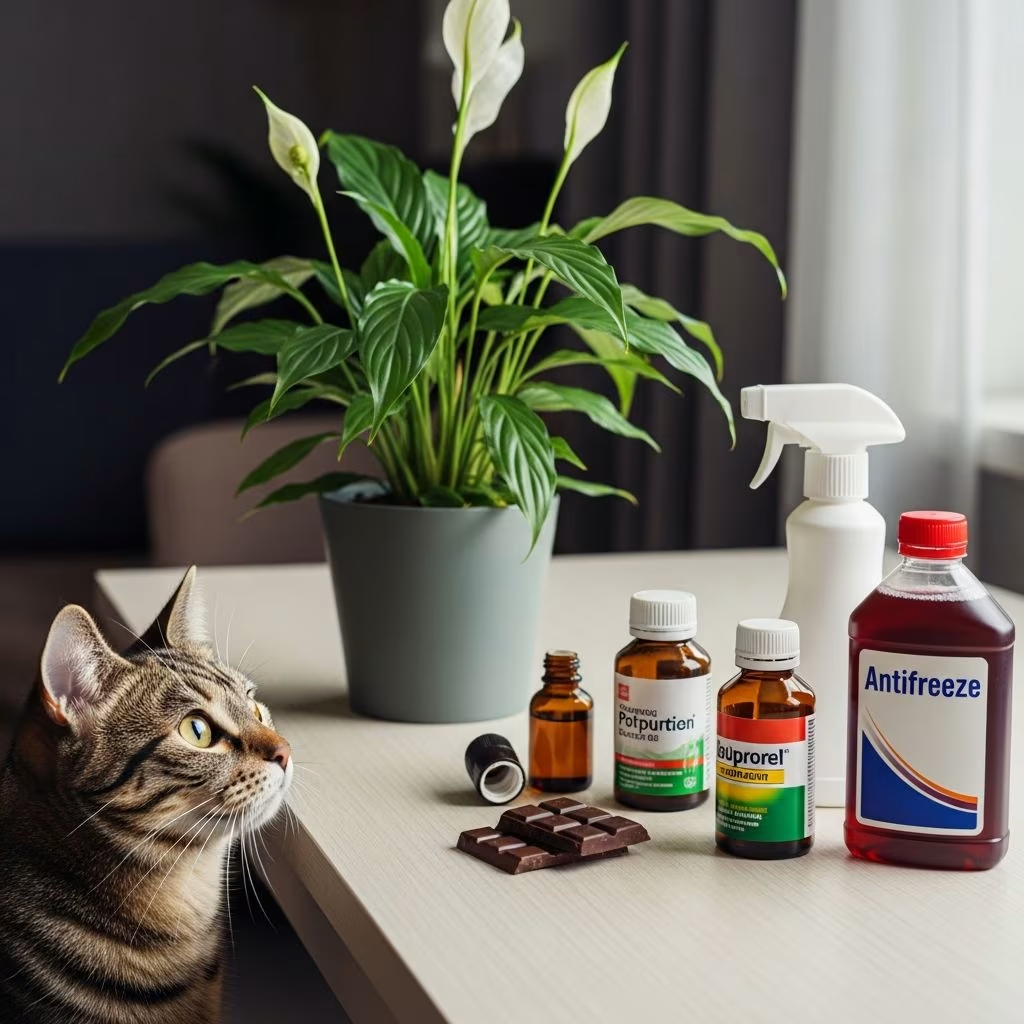
Household Items That Are Toxic to Cats: A Comprehensive Safety Guide
As a cat owner, one of your primary responsibilities is ensuring your feline companion stays safe from household hazards. Cats are naturally curious creatures, and their inquisitive nature can sometimes lead them into dangerous situations. Many common household items that seem harmless to humans can pose serious health risks to cats, potentially causing illness or even death. Understanding which items are toxic to cats is essential for providing a safe living environment for your beloved pet.
Common Household Cleaning Products That Are Toxic to Cats
Cleaning products are among the most dangerous items in most households for cats. Many of these products contain harsh chemicals that can cause severe damage to your cat’s digestive system, skin, and respiratory system.
Bleach and Oxygen Cleaners
Bleach is highly toxic to cats and ranks among the most dangerous household cleaning agents. If your cat ingests bleach, even in small amounts, it can cause drooling, vomiting, oral ulcers, gastric ulcers, and difficulty breathing. Indirect exposure is also problematic—if your cat walks on a bleached surface and then licks its paws, the toxins can be absorbed. Additionally, never mix bleach with other cleaning products, especially ammonia, as this creates toxic chloramine vapor that is extremely dangerous if inhaled.
Ammonia-Based Cleaners
Window cleaners, bathroom cleaners, and many general-purpose cleaners contain ammonia, which produces harmful fumes that irritate a cat’s respiratory system. The danger is compounded if ammonia is combined with bleach, creating a potentially lethal toxic vapor.
Laundry and Dish Detergents
Laundry detergent pods and liquid laundry detergent are particularly dangerous to cats. These products can cause stomach upset, severe irritation to the mouth and throat, chemical burns, vomiting, and gastrointestinal distress. Dryer sheets and fabric softeners are also hazardous, as they contain cationic detergents that can cause severe chemical burns and ulcers to the mouth, esophagus, and stomach. Additionally, these sheets can cause foreign body obstructions in the stomach or intestines, creating medical emergencies.
Specialized Cleaners
Concentrated products such as toilet bowl cleaners and drain cleaners are particularly dangerous. These can cause chemical burns and severe internal damage if ingested. Most general-purpose cleaners like Windex or 409 are relatively safer, but concentrated formulations should always be kept out of reach.
Medications and Supplements Dangerous to Cats
Human medications and supplements pose significant risks to cats. Many prescription and over-the-counter medications can be lethal to felines, even in small doses.
Antidepressants
Human antidepressants are particularly attractive to cats due to their smell and taste. Common medications like Effexor, Prozac, Cymbalta, and Zoloft appeal to cats, who will eat the pills if they find them. However, these medications can cause serious symptoms including lethargy, tremors, seizures, vomiting, diarrhea, and dangerous increases in body temperature (hyperthermia).
Pain Relievers and NSAIDs
Over-the-counter pain relievers including acetaminophen, aspirin, and ibuprofen are toxic to cats and can cause kidney and liver damage. Even small doses can be harmful to your feline friend.
Other Medications and Supplements
Additional medications dangerous to cats include cold medicines, vitamins and herbal supplements, methylphenidate (ADHD medication), cancer medicines, and diet pills. Always store all medications in secure locations away from curious cats.
Toxic Foods for Cats
Many foods that are safe for humans are dangerous for cats. Some can cause gastrointestinal upset, while others can cause serious organ damage or even fatal consequences.
Alliums: Onions, Garlic, and Chives
Onions, garlic, and chives are toxic to cats because they contain sulfur compounds that damage red blood cells, leading to hemolytic anemia. Symptoms of poisoning include vomiting, diarrhea, lethargy, pale gums, and decreased activity. In severe cases, onion or garlic poisoning can be fatal.
Chocolate and Caffeine
Chocolate and caffeine-containing products are toxic to cats, causing gastrointestinal upset and other serious symptoms. Tea, which contains caffeine, should also be kept away from cats.
Grapes and Raisins
These fruits are toxic to cats and can cause kidney damage. The exact mechanism of toxicity is not fully understood, but these fruits should be kept completely out of your cat’s reach.
Xylitol and Other Sweeteners
Xylitol, found in sugar-free gums, candies, and toothpaste, is toxic to cats and can cause dangerous drops in blood sugar levels and liver damage.
Alcohol and Yeast Dough
Alcohol is toxic to cats and can cause intoxication, respiratory depression, and other serious effects. Unbaked yeast dough is also dangerous as it can expand in the stomach and cause blockages.
Toxic Household Plants
Many common houseplants are extremely toxic to cats and can cause serious illness or death. Lilies are among the most dangerous plants for cats, with all species—including Easter lilies, tiger lilies, and Asiatic lilies—causing acute kidney failure. Other highly toxic plants include:
- Philodendrons
- Pothos (Devil’s Ivy)
- Lily of the valley
- Tulips
- Oleander
- Sago palm
- Dieffenbachia
- Daffodils
- Poinsettias
Ingesting these plants can result in vomiting, drooling, diarrhea, and in severe cases, kidney failure or death. If you suspect your cat has ingested a toxic plant, seek veterinary care immediately.
Essential Oils and Fragrances
Essential oils are dangerous for cats because cats lack the liver enzymes needed to metabolize and break down these concentrated compounds. Essential oils to avoid include tea tree, eucalyptus, citrus, lavender, and peppermint. Even small exposures can be harmful, and cats can be poisoned through skin absorption, ingestion, or inhalation of the vapors.
Pesticides, Ant Baits, and Garden Products
Many pest control products are designed to attract pests but unfortunately also appeal to curious cats. These products can cause neurological and gastrointestinal issues when ingested. Dangerous products include:
- Pesticide sprays and powders
- Ant baits and roach baits
- Rodent and rat poison
- Fertilizers
- Weed killers and herbicides
- Snail baits (molluscicides)
- Flea and tick treatments (if improperly used)
Antifreeze and Automotive Chemicals
Antifreeze is one of the most dangerous substances for cats because it contains ethylene glycol, which can cause fatal kidney failure. Unfortunately, cats are attracted to the sweet taste of antifreeze, and just a few licks can be lethal. Symptoms of ethylene glycol poisoning include vomiting, lethargy, and seizures. Always store antifreeze in securely sealed containers and clean up any spills immediately. Paint thinner and other automotive chemicals should also be kept securely stored.
Other Common Household Hazards
Beyond chemicals and plants, several other household items pose risks to cats:
Dryers and Appliances
Clothes dryers can be fatal to cats. Cats may crawl into dryers seeking warmth, and running the machine can result in serious injury or death. Always check the dryer before starting it and keep the door closed when not in use.
Small Objects and Choking Hazards
Small items that can be ingested include toys with small parts, dental floss, bones, glowsticks, and jewelry. These items can cause choking, intestinal blockages, or internal injuries.
Holiday Decorations
Holiday decorations, including tinsel, ornaments, string lights, and ribbons, can be dangerous if swallowed, potentially causing intestinal obstructions.
Heavy Metals
Lead-based paints, linoleum containing lead, batteries, and other sources of heavy metals should be kept away from cats, as lead poisoning can cause serious neurological and kidney damage.
De-icing Salts
Winter de-icing salts used on sidewalks and roads can irritate a cat’s paws and cause gastrointestinal upset if ingested.
How to Cat-Proof Your Home
Protecting your cat from toxic household items requires vigilance and proper storage:
- Store all chemicals securely: Keep cleaning products, medications, and pesticides in locked cabinets or high shelves out of reach
- Avoid mixing cleaners: Never combine bleach with ammonia or other products
- Choose safer alternatives: Substitute chemical cleaners with natural, plant-based cleaning solutions when possible
- Remove toxic plants: Replace toxic houseplants with cat-safe varieties or place them in areas where cats cannot access them
- Secure containers: Keep all containers tightly sealed and properly labeled
- Check dryers: Always inspect the dryer before running it
- Monitor your cat: Supervise your cat when they have access to new areas or items
Signs of Poisoning in Cats
Being able to recognize signs of poisoning is crucial for getting your cat immediate veterinary care. Common symptoms include:
- Vomiting or diarrhea
- Excessive drooling
- Lethargy or weakness
- Loss of appetite
- Difficulty breathing
- Tremors or seizures
- Pale gums
- Increased or decreased urination
If you suspect your cat has ingested a toxic substance, contact your veterinarian or animal poison control immediately. Time is critical in poisoning cases, and prompt treatment can save your cat’s life.
Frequently Asked Questions
Q: What should I do if my cat ingests a toxic substance?
A: Contact your veterinarian or animal poison control immediately. Have information about what your cat ingested and when readily available. Do not wait for symptoms to appear, as some toxins require immediate treatment before symptoms develop.
Q: Are all lilies toxic to cats?
A: Yes, all varieties of true lilies (Lilium species) are highly toxic to cats, including Easter lilies, tiger lilies, and Asiatic lilies. Even small amounts of the plant material or pollen can cause acute kidney failure. Lily of the valley is also toxic.
Q: Is it safe to use essential oil diffusers around cats?
A: No, essential oil diffusers are not safe for cats. Cats lack the enzymes necessary to metabolize essential oils, and exposure through inhalation can be harmful. It is best to avoid using essential oils in any form around cats.
Q: What is the most dangerous household item for cats?
A: Antifreeze containing ethylene glycol is one of the most deadly substances for cats, as just a few licks can be fatal. Lilies are also extremely dangerous, causing kidney failure. Medications and certain cleaning products also rank among the most hazardous household items.
Q: Can I use regular cleaning products if I keep my cat in another room?
A: While separating your cat during cleaning is helpful, it is not completely safe. Fumes can spread throughout the home, and residues can remain on surfaces. It is better to use cat-safe cleaning products or natural alternatives whenever possible.
Q: Are all houseplants dangerous to cats?
A: No, not all houseplants are toxic to cats. Many plants are completely safe, including spider plants, Boston ferns, African violets, and cat grass. When choosing houseplants, research their toxicity or consult with your veterinarian to ensure they are cat-safe.
References
- Household Chemicals Toxic to Cats — Eastern Veterinary Care Center. 2024. https://evcc.com/blog/household-chemicals-cats/
- 15 Common Household Items That Can Kill Your Curious Cat — Atlantic Veterinary Seattle. 2024. https://atlanticvetseattle.com/15-household-items-toxic-to-cats/
- Food, Plants, and Household Items That Can Be Harmful to Cats — Countryside Veterinary Clinic. 2024. https://www.countrysideveterinaryclinic.org/services/cats/blog/food-plants-and-household-items-can-be-harmful-cats
- Poisonous Household Products — ASPCA Animal Poison Control Center. 2025. https://www.aspca.org/pet-care/aspca-poison-control/poisonous-household-products
- Danger List & Toxins — Community Concern For Cats. 2024. https://www.communityconcernforcats.org/resources/danger-list/
- Common Cat Hazards — Cornell University College of Veterinary Medicine. 2024. https://www.vet.cornell.edu/departments-centers-and-institutes/cornell-feline-health-center/health-information/feline-health-topics/common-cat-hazards-0
- 8 Common Household Items That Are Little-Known Dangers for Cats — AKC Pet Insurance. 2024. https://www.akcpetinsurance.com/blog/8-common-household-items-that-are-littleknown-dangers-for-cats



