

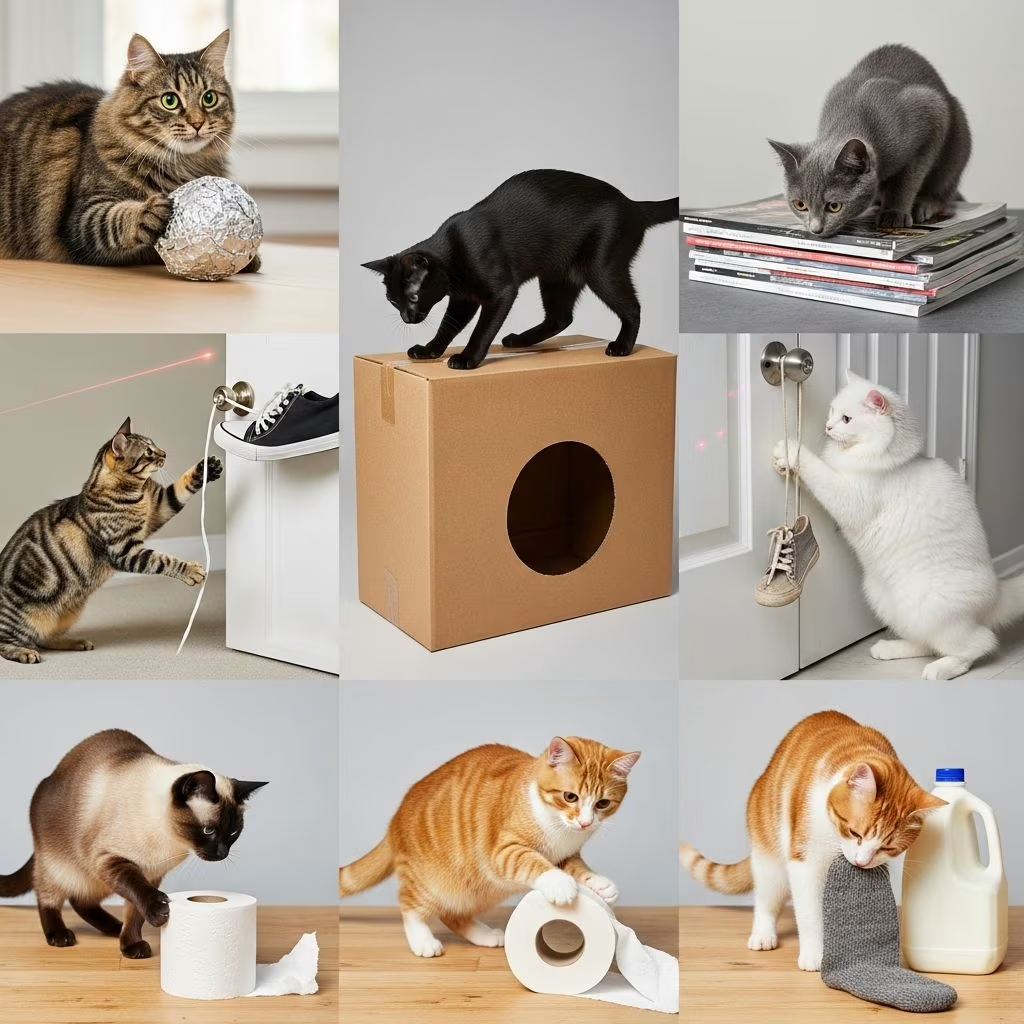
8 Household Items That Double as Cat Toys
Cat owners understand that keeping their feline companions mentally and physically stimulated is essential for their well-being. However, expensive pet toys can quickly add up in cost. The good news is that you likely have numerous items around your home that can be transformed into engaging and entertaining cat toys. Repurposing household items not only saves money but also reduces waste and provides your cat with novel play experiences. This guide explores eight common household items that can double as effective cat toys, each offering unique benefits and entertainment value.
Why DIY Cat Toys Matter
Creating homemade cat toys offers several advantages beyond cost savings. DIY toys can be customized to match your individual cat’s preferences and play style. Whether your cat enjoys batting objects, pouncing on moving targets, or solving puzzles, household items can be adapted to suit their specific interests. Additionally, many cats find enrichment in exploring different textures, sounds, and materials, which homemade toys can provide in abundance.
Environmental benefits also come into play when you repurpose household items. Rather than discarding items destined for the landfill, transforming them into pet toys gives them a second life while reducing your household waste footprint. This eco-conscious approach to pet care demonstrates that you can be both a responsible pet parent and an environmentally aware consumer.
1. Paper Towel and Toilet Paper Rolls
One of the simplest household items to transform into a cat toy is the humble paper towel or toilet paper roll. These cardboard tubes are naturally appealing to cats due to their texture and the satisfying sound they make when batted around.
How to use: Stuff the roll with crinkled paper, newspaper, or brown packing paper to create sound and texture. You can also add a small amount of catnip inside to make it even more enticing. Some cats enjoy simply shredding the cardboard, which provides excellent mental stimulation. For an interactive puzzle element, poke small holes in the roll and hide treats inside, encouraging your cat to work for their reward.
The beauty of this toy is its disposability—once your cat has thoroughly destroyed it, simply replace it with another roll. This constant supply of fresh toys keeps your cat engaged with new play opportunities.
2. Cardboard Boxes
Cardboard boxes are treasured by cats for multiple reasons, making them one of the most versatile household items available for pet enrichment.
Basic setup: A simple cardboard box serves as a hiding spot, bed, and play area all in one. Cats instinctively seek enclosed spaces where they feel secure, and a box fulfills this need perfectly. However, you can enhance the box experience by cutting windows and doors into various sides, creating a cat fortress with multiple entry and exit points.
Advanced configurations: Stack multiple boxes together and connect them with tunnels created by cutting holes between boxes. Add decorative elements like dangling toys, feathers, or string around the openings. You can even place treats inside for your cat to discover during exploration. Some creative cat parents have created elaborate cardboard box cities that provide hours of entertainment.
The low cost and availability of cardboard boxes make them an ideal continuous source of enrichment for your feline friend.
3. String, Yarn, and Fabric Scraps
String-like materials appeal to the hunting instincts in cats, making them excellent toys when used appropriately.
Interactive play: Attach string, yarn, or fabric scraps to a wooden dowel or stick to create a teaser wand. Drag this across the floor or wave it through the air to encourage your cat to pounce and chase. This interactive play mimics hunting behavior and provides excellent exercise.
Safety considerations: While string-based toys are engaging, always supervise play sessions to prevent accidental swallowing. Some cats are prone to ingesting string, which can cause serious digestive issues. Store these toys safely and only use them during supervised play.
Alternative uses: Tie knots in fabric scraps or old t-shirt strips to create balls that cats can bat around. The texture and potential rustling sound make these simple creations surprisingly engaging.
4. Aluminum Foil Balls
The crinkly texture and lightweight nature of aluminum foil make it an ideal material for creating simple yet highly entertaining cat toys.
Creation method: Crumple a sheet of aluminum foil into a loose ball, roughly the size of a ping pong ball. The metallic shine and distinctive crinkling sound will capture most cats’ attention immediately. Some cats love batting these balls around, enjoying both the visual appeal and the satisfying sound.
Enhanced versions: For added interest, you can create a foil ball inside a plastic egg or small container, adding an extra layer of sound and complexity. Some cats prefer foil balls because they’re lighter and easier to bat around than traditional toys.
Important note: Always supervise foil ball play to ensure your cat doesn’t attempt to eat the foil, which could pose a choking hazard or cause digestive problems.
5. Socks and Old Clothing
Old socks and worn-out clothing items can be transformed into several types of engaging cat toys with minimal effort.
Stuffed sock toy: Fill a clean sock with crumpled paper, fabric scraps, and catnip. Tie off the open end to create a simple toy that cats can carry around, shake, and pounce on. The combination of textures and the scent of catnip make this toy irresistible to most cats.
Kicker toy: Take a larger sock or old thermal leggings and fill with stuffing, crinkly materials, and catnip. Cats, especially those bred for hunting like Maine Coons, love holding these toys with their front paws while kicking with their hind legs in a hunting motion. This type of play provides excellent exercise and taps into natural predatory behaviors.
Fabric strips: Cut old t-shirts into long strips and tie them together to create a fabric toy. The rustling sound and texture appeal to many cats’ play preferences.
6. Plastic Bags
The crinkly sound of plastic bags is highly attractive to many cats, though they should be used carefully under supervision.
Safe usage: Place a plastic bag (with handles removed for safety) in an open area and let your cat explore. The sound and feel will likely engage their senses. Some cats enjoy batting bags around or lying on them to hear the crinkly sound.
Enhanced versions: Fill a plastic bag with crumpled paper to increase the crinkling sound. You can also place small toys or treats inside for your cat to discover.
Safety reminder: Never leave plastic bags unattended with your cat, as ingestion could cause serious health issues. Always supervise bag-based play and remove any small pieces that could become choking hazards.
7. Ice Cubes
For cats that enjoy playing with water or appreciate sensory exploration, ice cubes offer a unique and cost-free play option.
Simple setup: Place a few ice cubes in a shallow bowl or on a tile floor. Many cats find the sliding sensation and cold temperature stimulating. They’ll bat the cubes around, enjoying the movement and the novel sensory experience.
Benefits: This is particularly enjoyable during warm weather, providing both entertainment and a gentle cooling effect. The simplicity of this toy makes it accessible for any cat owner.
Observation note: Some cats may not be interested in ice cubes, so observe your cat’s reaction. If they seem to enjoy the activity, it’s a free source of enrichment.
8. Ping Pong Balls
Ping pong balls are lightweight, create interesting sounds, and are generally safe for unsupervised play when prepared properly.
Basic toy: A plain ping pong ball can be simply rolled across the floor for cats to chase. The lightness of the ball makes it easy for cats to bat and move.
Enhanced version: Drill a small hole in the ping pong ball and add uncooked rice or a few small beads inside. Cover the hole with clear tape to secure the contents. This creates a sound-making toy that cats find particularly engaging.
Alternative setup: Place ping pong balls inside a plastic container with holes cut in the sides. Cats can poke their paws through to move the balls around, creating an interactive puzzle toy.
Safety consideration: Ensure that any holes in ping pong balls are sealed properly to prevent choking hazards.
Creating a Stimulating Environment
Beyond individual toys, you can create enriching play spaces using household items. Build a pillow fort with blankets and cushions, providing a hideaway that also serves as a play area. Hide treats throughout the fort and around your home to encourage foraging behavior and mental stimulation.
Rotate toys regularly to maintain novelty and interest. Cats can become bored with the same toys, so putting some away for a few weeks and then reintroducing them can reignite play interest. This rotation system also allows you to assess which toys your cat truly enjoys versus which ones are ignored.
Safety Guidelines for Homemade Cat Toys
When creating DIY toys, keep several safety considerations in mind:
- Remove any small parts that could become choking hazards
- Avoid toxic materials like certain plastics or treated fabrics
- Never use items with sharp edges or splinters
- Supervise play with string-based toys to prevent ingestion
- Regularly inspect homemade toys for damage and discard if necessary
- Ensure any adhesives used are pet-safe and non-toxic
- Keep plastic bags away from unattended play
Frequently Asked Questions
Q: Are homemade cat toys as safe as commercial toys?
A: Homemade cat toys can be very safe when created with attention to detail and regular inspection. The key is using non-toxic materials, removing potential hazards, and supervising play. Always monitor your cat’s interaction with new toys.
Q: How often should I replace homemade cat toys?
A: Replace toys when they show signs of wear, damage, or deterioration. Cardboard toys may need replacement after heavy use, while fabric toys should be discarded if they develop holes or loose threads.
Q: Can I use catnip in all homemade toys?
A: While catnip is safe and enjoyable for most cats, not all cats respond to it. About 30 percent of cats don’t have a genetic response to catnip. Experiment with different toys to find what your individual cat enjoys most.
Q: What if my cat isn’t interested in DIY toys?
A: Different cats have different preferences. Try various textures, sounds, and play styles. Some cats prefer interactive toys with human involvement, while others enjoy solo play. Observe your cat’s natural behaviors to understand their preferences better.
Q: Can I make toys for multiple cats?
A: Yes, but ensure you have enough toys to prevent competition and conflict. A general rule is to have at least as many toys as you have cats, plus additional extras for variety.
References
- 10 Easy Cat Toys You Can Make At Home — Nature’s Ki. 2024. https://www.natureski.co.nz/news-and-blog/10-easy-cat-toys-you-can-make-at-home/
- DIY Cat Toys That Are Cheap and Easy to Make: Step-by-Step Guides — Cat Mum Journal. 2024. https://www.catmumjournal.co.uk/post/diy-cat-toys-that-are-cheap-and-easy-to-make
- 11 Homemade Cat Toys Your Kitty Will Love — Pumpkin Pet Insurance. 2024. https://www.pumpkin.care/post/best-homemade-cat-toys
- 12 Easy Ideas for $0 DIY Cat Toys — Chumka’s Corner. 2024. https://www.chumkascorner.com/12-easy-ideas-for-0-diy-cat-toys/
- 20 DIY Cat Toys Your Cats WILL Go CRAZY For — YouTube. 2024. https://www.youtube.com/watch?v=Qei1ZYBXc_Y



