

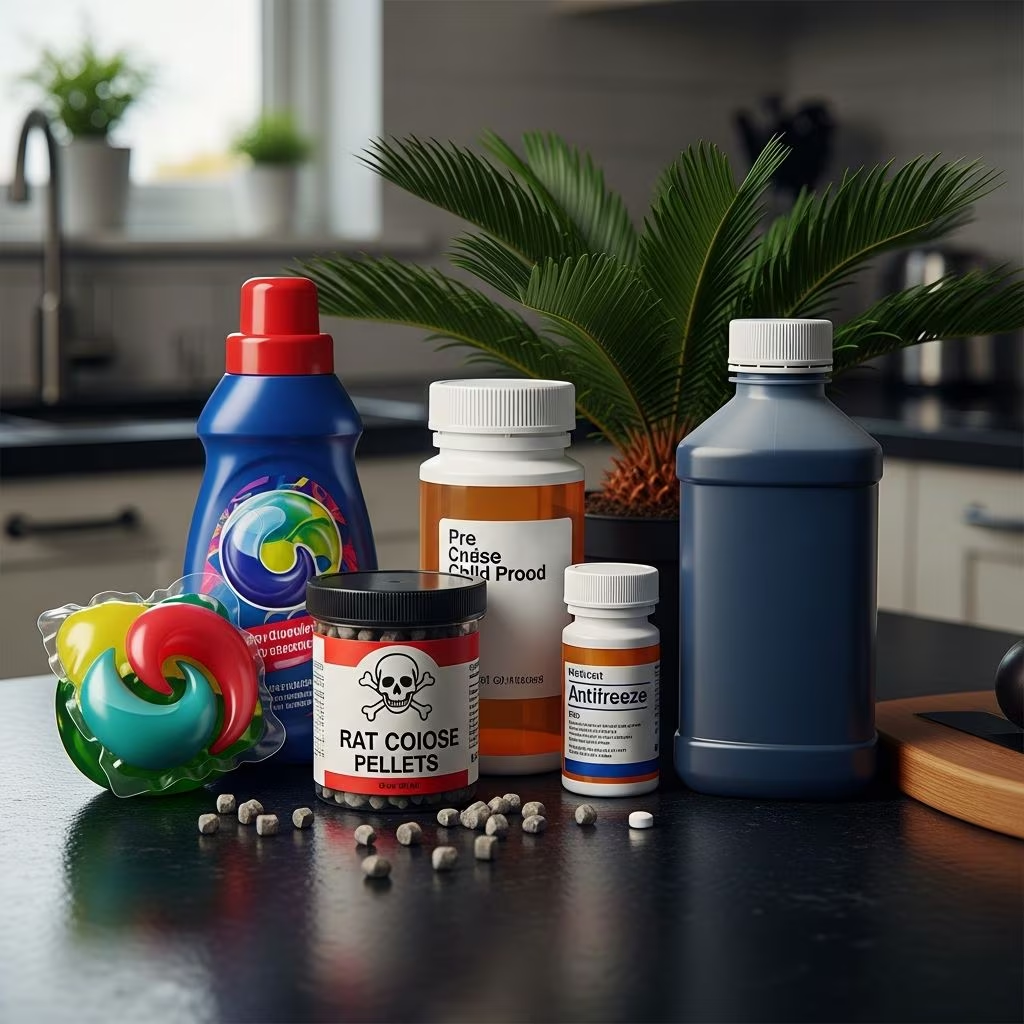
Dogs explore their world with curiosity, often using their mouths to investigate. This behavior exposes them to numerous household items that can cause severe illness or death. From kitchen staples to cleaning supplies, many everyday objects harbor hidden dangers. Understanding these risks empowers owners to create safer environments.
Why Dogs Are Vulnerable to Household Toxins
Dogs’ smaller body sizes relative to humans mean even tiny amounts of toxins can overwhelm their systems. Their inquisitive nature leads them to chew, lick, or swallow prohibited items. Metabolism differences exacerbate risks; substances harmless to people may linger and amplify harm in canines.
Common exposure routes include ingestion, inhalation, skin absorption, and paw licking after contact. Puppies and small breeds face heightened dangers due to lower tolerances. Prompt recognition of symptoms like vomiting, lethargy, or seizures can be lifesaving.
Dangerous Foods Lurking in Your Kitchen
Human foods often tempt dogs, but several staples are highly toxic. These items disrupt organ function, leading to emergencies.
- Chocolate: Contains theobromine and caffeine, causing vomiting, rapid heart rate, tremors, and seizures. Dark varieties pack the highest concentrations.
- Grapes and Raisins: Trigger acute kidney failure, even in small quantities. Symptoms include vomiting and lethargy.
- Xylitol: Found in sugar-free gum, candies, and peanut butter, it plummets blood sugar and risks liver failure.
- Onions, Garlic, Chives: Damage red blood cells, leading to anemia. Effects build over time.
- Macadamia Nuts: Induce weakness, vomiting, and hyperthermia.
- Alcohol and Raw Yeast Dough: Ferment in the stomach, producing ethanol and causing bloat or intoxication.
| Toxic Food | Symptoms | Dose Risk |
|---|---|---|
| Chocolate | Restlessness, seizures | Low (dark > milk) |
| Xylitol | Hypoglycemia, collapse | Very low |
| Grapes/Raisins | Kidney failure | Small amounts |
Cleaning Supplies: Silent Threats in Every Room
Cleaning products top the list of household poisons. Their caustic chemicals burn tissues and irritate systems upon contact.
- Bleach and Disinfectants: Cause oral/esophageal burns, drooling, and respiratory distress if ingested or inhaled.
- Laundry Detergent Pods/Liquids: Lead to vomiting, aspiration pneumonia, and severe gastrointestinal upset.
- Dryer Sheets and Fabric Softeners: Cationic detergents provoke ulcers and obstructions.
- Antifreeze (Ethylene Glycol): Sweet taste attracts dogs; tiny sips shut down kidneys.
Store cleaners in locked cabinets. Rinse surfaces thoroughly post-use. Opt for pet-safe alternatives where possible.
Medications: A Prescription for Disaster
Human drugs, both over-the-counter and prescription, rank among top pet toxins. Dropped pills or open containers invite tragedy.
- Acetaminophen (Tylenol): Destroys red blood cells and livers, especially in cats but harmful to dogs too.
- NSAIDs (Ibuprofen, Naproxen): Erode stomachs and kidneys.
- ADHD Meds, Antidepressants, Heart Drugs: Provoke seizures or cardiac issues.
Secure medications in high, latched spots. Never administer human drugs without veterinary approval.
Unexpected Dangers: Batteries, Plants, and More
Beyond obvious culprits, surprising items pose risks.
- Batteries: Leak corrosive acids when punctured by chewing, burning mouths and intestines.
- Essential Oils (Tea Tree, Eucalyptus): Cause tremors, ataxia, and liver damage via inhalation or ingestion.
- Cigarette Butts/Tobacco: Nicotine triggers hyperexcitability, vomiting, and collapse.
- Potpourri and Air Fresheners: Irritate airways and guts.
- Cocoa Mulch and Fertilizers: Theobromine and chemicals upset digestion and more.
Recognizing and Responding to Poisoning
Act fast if exposure is suspected. Watch for:
- Vomiting, diarrhea, drooling
- Lethargy, weakness, tremors
- Seizures, rapid breathing, collapse
Do not induce vomiting unless instructed by a vet, as it can worsen some cases. Contact ASPCA Poison Control (888-426-4435) or a vet immediately. Provide details: substance, amount, time ingested, dog’s weight, symptoms. Treatments may include activated charcoal, IV fluids, or antidotes.
Prevention Strategies for a Toxin-Free Home
Proactive steps minimize risks:
- Secure Storage: Use child-proof locks on cabinets, counters, trash.
- Elevate Items: Keep foods, meds, cleaners high up.
- Supervise: Watch puppies and chewers closely.
- Pet-Proof Zones: Restrict garage, laundry access.
- Choose Safe Alternatives: Pet-friendly cleaners, no xylitol products.
- Train Commands: Teach “leave it” reliably.
Regular home audits reveal hazards. Educate family on dangers.
FAQs: Common Questions on Dog Toxins
What should I do if my dog eats something toxic?
Call a vet or poison hotline immediately. Note details and monitor symptoms. Do not wait for issues to appear.
Are small amounts of chocolate safe for dogs?
No. Toxicity varies by size and type, but even traces risk harm.
Can dogs recover from antifreeze poisoning?
Early intervention boosts chances; delays often lead to kidney failure.
Why are laundry pods so dangerous?
Concentrated detergents cause burns and breathing problems if burst.
How do I dog-proof my cleaning routine?
Store products away, clean when dog is crated, rinse well.
Long-Term Health Impacts and Myths Busted
Repeated low-level exposures accumulate damage, weakening organs over time. Myths like “a little chocolate won’t hurt” ignore dose sensitivities. Veterinary toxicology emphasizes zero tolerance for known poisons.
Owners sharing homes with multiple pets or kids face compounded challenges. Breeds like Labs, prone to scavenging, require extra vigilance.
References
- Poisonous Household Products — ASPCA. 2023. https://www.aspca.org/pet-care/aspca-poison-control/poisonous-household-products
- Common Household and Environmental Toxins for Dogs — Hershey Animal ER. 2024. https://hersheyanimaler.com/blog/household-and-environmental-toxins-for-dogs/
- 10 Common Household Items That Are Toxic To Pets — PetDesk. 2023. https://petdesk.com/blog/10-common-household-items-that-are-toxic-to-pets
- What Common Household Items Are Toxic to Pets? — AAHA. 2024. https://www.aaha.org/resources/household-pet-toxins/
- Common Household Items that are Poisonous to your Dog — Westside Animal Hospital. 2023. https://www.westsideahvet.com/common-household-items-that-are-poisonous-to-your-dog
- 15 Surprising Pet Poisons — MedVet. 2024. https://www.medvet.com/15-surprising-pet-poisons/



