
Household Hazards: Items to Keep from Pets
Discover everyday home items that pose serious risks to your pets and learn essential strategies to safeguard their well-being.
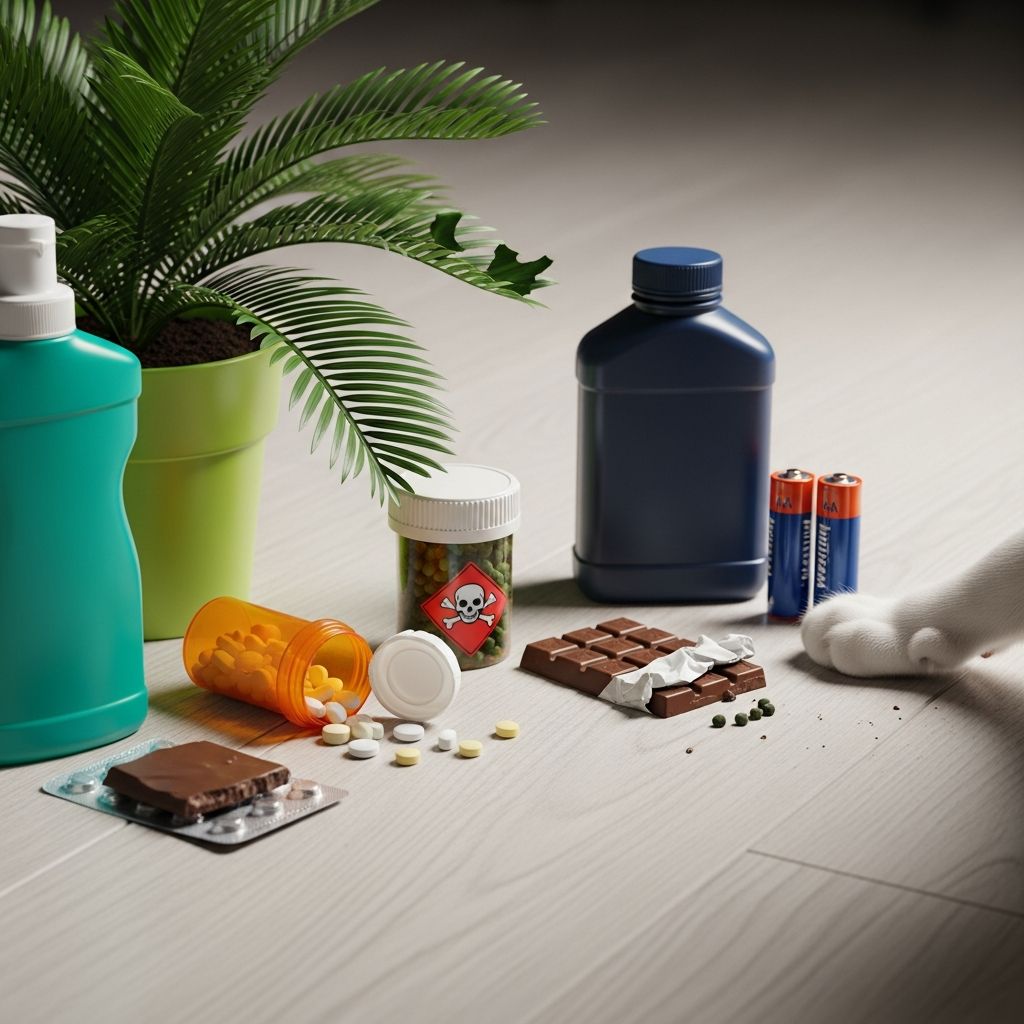
Pet owners often focus on creating a welcoming home, but many everyday objects can turn into silent threats. From cleaning supplies to tiny accessories, these items can cause poisoning, injuries, or blockages in dogs, cats, and other animals. Understanding these risks allows proactive measures to ensure pet safety.
Why Common Items Become Pet Dangers
Pets explore their world through taste, touch, and curiosity, lacking the judgment to avoid harm. Their smaller size and unique metabolism amplify dangers from substances safe for humans. For instance, what might cause mild discomfort in people can lead to organ failure or death in pets. Veterinary records show household exposures as a top poisoning cause, emphasizing prevention’s role.
Cleaning Agents and Disinfectants
Cleaning products top the list of indoor threats due to their potency. Alcohol-based sanitizers, often left on counters, attract pets with their scent but irritate skin and digestive tracts upon contact or ingestion. Hydrogen peroxide, used for minor wounds, causes severe vomiting and ulcers if swallowed in quantity.
- Alcohol: Leads to drunken behavior, hypothermia, and coma in cats and dogs.
- Peroxide: Triggers gas buildup in stomachs, risking rupture without prompt care.
- Bleach and Ammonia: Produce fumes causing respiratory distress; spills burn mouths and eyes.
Store these in high cabinets and use pet-safe alternatives like vinegar solutions. Wipe surfaces immediately after use.
Laundry and Personal Care Products
Laundry detergents, especially pods, pose ingestion risks with symptoms like drooling, burns, and lethargy. Liquid potpourri and essential oils burn paws or cause tremors upon licking. Nicotine from discarded gums or butts acts rapidly, inducing seizures within hours.
| Product | Dog Symptoms | Cat Symptoms |
|---|---|---|
| Detergents | Vomiting, diarrhea | Burns, respiratory issues |
| Potpourri | Tremors, weakness | Skin irritation, drooling |
| Nicotine | Seizures, collapse | Hyperactivity, death |
Opt for enclosed dispensers and natural scents to minimize exposure.
Small Objects and Choking Risks
Tiny items like rubber bands, strings, and coins lure playful pets but cause blockages or perforations. Batteries leak acids, burning tissues upon chewing; button types generate currents that erode esophagi.
- Rubber bands snap or tangle intestines.
- String/yarn leads to linear foreign bodies needing surgery.
- Batteries release mercury, lead, causing systemic poisoning.
Secure trash bins and use child locks on drawers. Supervise play with toys lacking small parts.
Medications and Human Remedies
Human drugs rank among top toxins, with painkillers like acetaminophen destroying red blood cells in cats. Ibuprofen causes ulcers and kidney failure; even vitamins overload systems.
Never administer human meds without vet approval. Store in locked boxes, far from counters.
Garage and Yard Perils
Outdoors, antifreeze’s sweet taste tempts pets to fatal kidney damage. Fertilizers irritate skin and guts; pest baits induce bleeding or seizures. Cocoa mulch mimics chocolate toxicity.
- Antifreeze: Even licks prove deadly without antidote.
- Pest Poisons: Attract with flavors, causing internal hemorrhage.
- Glues: Expanding types like Gorilla Glue block stomachs emergently.
Cover spills promptly and choose pet-friendly yard products.
Prevention Blueprint for Pet Owners
Proactive steps transform homes into safe havens:
- Audit Regularly: Walk through rooms at pet height to spot risks.
- Secure Storage: Use latched cabinets for chemicals and meds.
- Pet-Proof Wiring: Cover cords to prevent shocks.
- Trash Management: Lidded bins deter rummaging.
- Plant Wisely: Avoid lilies, sago palms.
Incorporate these habits to slash poisoning incidents significantly.
Spotting Trouble: Symptoms to Watch
Act fast on signs like vomiting, lethargy, drooling, tremors, or breathing issues. Time-sensitive toxins like antifreeze demand immediate vet contact. Note the substance for treatment guidance.
Emergency Response Guide
If exposure occurs:
- Remove pet from source without inducing vomit unless advised.
- Collect product labels/samples.
- Call vet or poison hotline (e.g., ASPCA at 888-426-4435).
- Monitor and transport if worsening.
Early intervention often averts catastrophe.
FAQs: Pet Safety Essentials
What if my dog ate a rubber band?
Monitor for vomiting or appetite loss; seek x-rays if symptoms appear, as blockages require surgery.
Is hydrogen peroxide safe for pet wounds?
Avoid; it damages tissue. Use vet saline instead.
Can cats recover from alcohol exposure?
With rapid care, yes, but delays risk coma.
Are essential oil diffusers pet-safe?
No; vapors irritate airways. Place out of reach.
How to handle battery ingestion?
Urgent ER visit; endoscopy may remove before burns.
This guide empowers owners to mitigate risks, fostering healthier pet lives through vigilance and knowledge.
References
- What Are Common Household Dangers for Pets? — BluePearl Pet Hospital. 2023. https://bluepearlvet.com/pet-blog/common-household-dangers-for-pets/
- 9 Common Household Products that are Dangerous for Pets — Pet Wellness Clinics. 2024. https://petwellnessclinics.com/articles/common-household-products-and-food-items-to-keep-away-from-your-pet
- 10 Common Household Items That Are Surprisingly Toxic to Pets — Scottsdale Veterinary Clinic. 2023. https://www.scottsdaleveterinaryclinic.com/services/blog/10-common-household-items-are-surprisingly-toxic-pets
- Pet Safety And Home Hazards: Keeping Your Pets Safe Indoors — Moonlight Vet. 2024. https://moonlightvet.com/pet-safety-and-home-hazards-keeping-your-pets-safe-indoors/
- Household Threats For Pets — Texas A&M University. 2024-11-07. https://stories.tamu.edu/news/2024/11/07/household-threats-for-pets/
- 101 Household Pet Dangers — ASPCA Pet Insurance. 2024. https://www.aspcapetinsurance.com/101-things-you-didnt-know-could-harm-your-pet/
- Household hazards — American Veterinary Medical Association (AVMA). 2024. https://www.avma.org/resources-tools/pet-owners/petcare/household-hazards
Similar Articles








Read full bio of medha deb


