
Household Hazards For Pets: A Vet-Backed Safety Guide
Discover everyday items in your home that pose serious risks to dogs, cats, and other pets, and learn proven strategies to keep them safe.
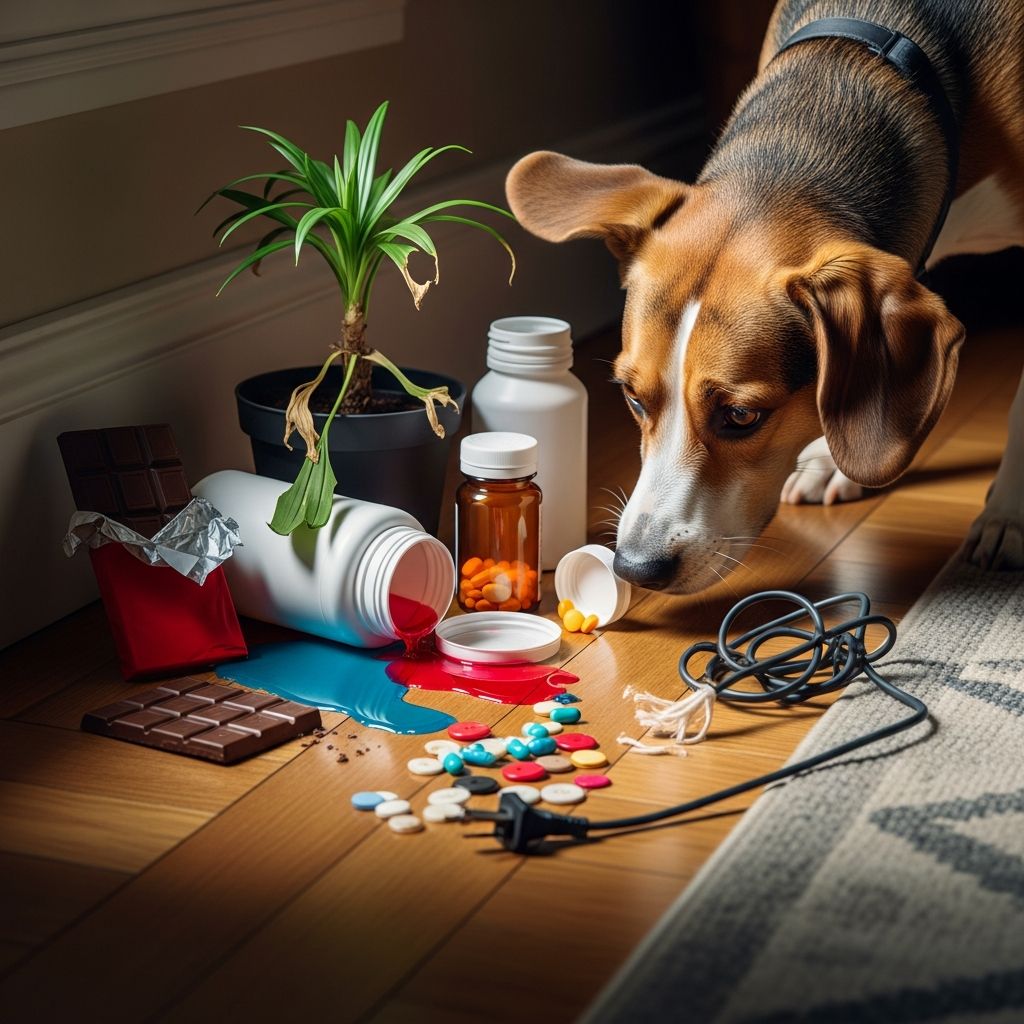
Your home is a sanctuary for your pets, but it can also harbor invisible threats that lead to poisoning, injury, or worse. Everyday items like foods we enjoy, cleaning agents, and decorative plants can turn deadly when curious dogs, cats, or other animals investigate them. Understanding these risks empowers pet owners to create safer environments. This guide details key dangers, symptoms of exposure, and actionable prevention steps drawn from veterinary expertise.
Edible Temptations: Foods That Poison Pets
Human snacks often appeal to pets due to their aromas, but many contain compounds toxic to animal physiology. Chocolate tops the list because of theobromine, a stimulant dogs and cats metabolize slowly, leading to rapid heartbeat, seizures, and potentially fatal arrhythmias. Even small amounts of dark or baking chocolate pose higher risks than milk varieties.
- Xylitol in gum and candies: This sugar alcohol triggers insulin surges in dogs, causing hypoglycemia, liver failure, and collapse within 30 minutes.
- Grapes, raisins, and currants: Linked to acute kidney injury; even tiny quantities can overwhelm a pet’s renal system.
- Onions, garlic, and chives: Damage red blood cells, resulting in anemia over days.
- Macadamia nuts and walnuts: Induce weakness, tremors, and vomiting.
- Alcohol and yeast dough: Ethanol and expanding dough cause intoxication, bloat, and respiratory distress.
Alcohol from beverages or fermented products depresses the central nervous system, while raw yeast dough rises in the stomach, risking rupture. Avocados’ persin toxin affects hearts in some species, and fatty foods like bacon scraps provoke pancreatitis. Store pantry items in sealed, elevated containers and train pets to ignore countertops.
Pharmaceutical Perils: Medications Within Reach
Over 75% of pet poisonings stem from human or veterinary drugs left accessible. Pain relievers like ibuprofen and acetaminophen erode stomachs, damage kidneys, and suppress bone marrow. Antidepressants can induce serotonin syndrome with agitation and hyperthermia.
| Medication Type | Common Examples | Effects on Pets |
|---|---|---|
| NSAIDs | Ibuprofen, Naproxen | GI ulcers, kidney failure |
| Acetaminophen | Tylenol | Liver toxicity, methemoglobinemia |
| Antihistamines/Cold Meds | Pseudoephedrine | Seizures, hypertension |
| Prescription Pills | ADHD meds, Heart drugs | Tachycardia, tremors |
Pet medications, including flea preventives, must also be secured; overdoses amplify toxicity. Use locked cabinets or high shelves, and never administer human drugs without veterinary approval. Vitamins with iron are another culprit, causing multi-organ failure.
Chemical Culprits: Cleaners and Garage Goods
Cleaning supplies and automotive products release fumes or cause burns upon contact. Bleach and disinfectants irritate eyes, lungs, and guts; laundry pods mimic candy but deliver corrosive surfactants. Essential oils like tea tree or eucalyptus poison via dermal absorption or ingestion.
In garages, antifreeze’s sweet taste lures pets; ethylene glycol metabolizes to oxalic acid, crystallizing in kidneys within hours. Even propylene glycol versions warrant caution. Insecticides, rodenticides, and fertilizers contain organophosphates or cholecalciferol, disrupting nerves or calcium balance.
- Store in childproof cabinets.
- Wipe spills immediately with pet-safe neutralizers.
- Opt for natural cleaners like vinegar solutions.
- Use bittering agents on ethylene glycol products.
Mothballs with naphthalene or paradichlorobenzene damage livers and brains; one ball can sicken a small pet. Tobacco products and marijuana edibles induce vomiting, ataxia, or coma.
Green Threats: Toxic Plants and Outdoor Exposures
Ornamental plants decorate homes but endanger nibbling pets. Lilies devastate cat kidneys—even pollen contact proves lethal. Sago palms target livers, azaleas and oleanders disrupt hearts, while tulips and daffodils cause vomiting.
Yard hazards include cocoa mulch (theobromine-laden), algae blooms, and compost molds producing mycotoxins. Pennies post-1982 leach zinc, corroding stomachs.
| Plant | Toxicity Level | Symptoms |
|---|---|---|
| Lily (all types) | High (cats) | Kidney failure |
| Sago Palm | High | Liver failure, bleeding |
| Azalea/Rhododendron | Moderate-High | Cardiac arrhythmias |
| Tulip/Narcissus | Moderate | GI upset, convulsions |
Research plants via ASPCA lists before purchase and elevate or replace toxic ones.
Choking and Obstruction Risks: Everyday Trinkets
Puppies and kittens chew indiscriminately, turning harmless items into emergencies. Batteries leak corrosives, coins block intestines, and strings saw through guts like linear foreign bodies. Electrical cords risk electrocution; chewed wires expose pets to shocks or fires.
- Secure remotes, jewelry, hair ties.
- Use cord protectors and tape bases.
- Supervise play near appliances.
Laundry room sinks, open toilets, and hot grills add drowning or scald risks. Holiday tinsel, ornaments, and ribbons entangle or perforate.
Recognizing Poisoning: Symptoms and Swift Action
Exposures manifest as drooling, lethargy, tremors, bloody stools, or seizures. Time is critical—induce vomiting only if vet-directed (never for corrosives or oils). Contact ASPCA Poison Control (888-426-4435) or Pet Poison Helpline (855-764-7661) immediately, providing product details.
Treatment may involve activated charcoal, IV fluids, or antidotes. Prevention trumps cure: conduct weekly hazard sweeps.
FAQs: Common Pet Safety Questions
What should I do if my dog ate chocolate?
Call a vet or hotline ASAP; note amount/type eaten for dosing decisions.
Are essential oils safe around cats?
No—many diffuse toxins via skin/inhalation; use diffusers in pet-free zones.
How to pet-proof my garage?
Lock chemicals, cover antifreeze drums, fence rodenticides.
Which plants are safe for homes with pets?
Spider plants, Boston ferns, palms like Areca; verify toxicity-free.
Can I give my pet ibuprofen for pain?
Never—seek vet-prescribed alternatives.
Building a Pet-Safe Habitat: Long-Term Strategies
Audit your home quarterly: elevate temptations, install latches, provide engaging toys. Educate family on risks, especially kids. Microchip pets to aid escapes near hazards. Annual vet checkups catch sensitivities early.
By prioritizing vigilance, you minimize emergencies, ensuring joyful companionship. Resources like AVMA and Merck Vet Manual offer ongoing guidance.
References
- Common Household Hazards You Need To Take Care Of Right Now For The Safety Of Your Pet — Vet Medical Center Hardeeville. 2023. https://www.vetmedcenterhardeeville.com/blog/common-household-hazards-you-need-to-take-care-of-right-now-for-the-safety-of-your-pet
- Household Hazards: Understanding and Mitigating Pet Poisoning Risks — Walker Family Vet. 2024. https://walkerfamilyvet.com/household-hazards-understanding-and-mitigating-pet-poisoning-risks/
- Household Hazards — Northeast Veterinary Clinic. 2023. https://nevc.com/patient-education/keep-them-safe/household-hazards/
- 101 Things You Didn’t Know Could Harm Your Pet — ASPCA Pet Insurance. 2024. https://www.aspcapetinsurance.com/101-things-you-didnt-know-could-harm-your-pet/
- Household Pet Hazards — Cedar Creek Vet. 2023. https://www.cedarcreekvet.com/client-education/household-pet-hazards.html
- Common Household and Yard Toxins That Can Harm Your Pet — Charlotte Pet Vet. 2024. https://charlottepetvet.com/hidden-dangers-common-household-and-yard-toxins-that-can-harm-your-pet/
- Household Hazards — American Veterinary Medical Association (AVMA). 2025-02-01. https://www.avma.org/resources-tools/pet-owners/petcare/household-hazards
Similar Articles








Read full bio of medha deb


