

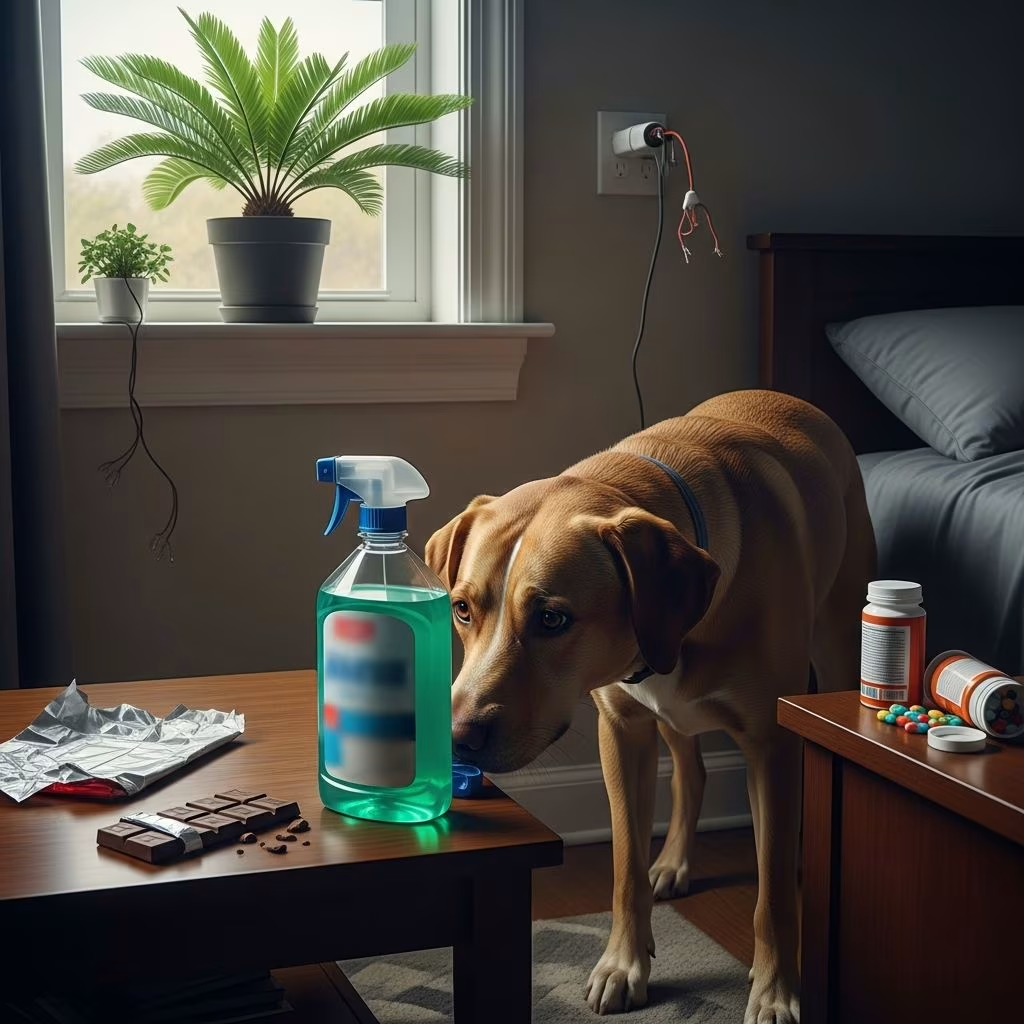
Dogs explore the world with their mouths, often leading to accidental ingestion of harmful substances found in everyday homes. Many ordinary items, from kitchen staples to cleaning supplies, can cause severe illness or death if consumed. Understanding these risks empowers owners to create safer environments.
Why Household Items Pose Unique Dangers to Canines
Dogs’ curious nature and lack of discernment make them vulnerable to toxins that humans tolerate. Their smaller body size amplifies effects, where even tiny amounts trigger life-threatening reactions. Metabolism differences mean substances safe for people overwhelm canine systems, causing organ damage, neurological issues, or sudden failure.
Statistics from veterinary poison centers highlight the prevalence: thousands of calls annually involve household exposures, with cleaning products, foods, and medications topping lists. Prevention starts with awareness of high-risk categories.
Dangerous Foods Lurking in Your Kitchen
The kitchen harbors multiple temptations. Certain human foods, while nutritious for us, disrupt canine physiology.
- Chocolate and Cocoa Products: Theobromine, a stimulant dogs metabolize slowly, leads to vomiting, rapid heart rate, tremors, seizures, and potential cardiac arrest. Dark varieties pack the highest concentrations.
- Grapes and Raisins: These trigger acute kidney failure, even in small quantities. Symptoms include lethargy, reduced urination, and abdominal pain; no safe dose exists.
- Xylitol-Sweetened Goods: Found in sugar-free gum, candies, and peanut butters, this artificial sweetener spikes insulin, plummeting blood sugar and risking liver failure.
- Onions, Garlic, and Chives: Allium compounds damage red blood cells, causing hemolytic anemia. Effects build over time from repeated exposure.
- Macadamia Nuts and Avocado: Nuts induce weakness, vomiting, and hyperthermia; avocado’s persin toxin affects heart and lungs, with pits posing choking risks.
- Alcohol and Caffeine: Both depress the central nervous system, leading to disorientation, respiratory failure, and coma.
- Raw Yeast Dough: Expands in the stomach, producing ethanol and causing bloat, intoxication, and obstruction.
Store these items in elevated cabinets or locked containers. Educate family members, especially children, on dropping hazards.
Cleaning Supplies: Invisible Threats on Surfaces
Cleaning agents keep homes sanitary but endanger pets through ingestion, inhalation, or skin contact. Residues on floors persist longer than expected.
| Cleaner Type | Toxicity Effects | Prevention Tips |
|---|---|---|
| Bleach and Ammonia | Burns mouth/esophagus, respiratory distress | Ventilate, rinse thoroughly, restrict access during use |
| Laundry Detergent Pods/Liquids | Vomiting, aspiration pneumonia, ulcers | Store in sealed bins, avoid pods |
| Dryer Sheets/Fabric Softeners | Chemical burns, gastrointestinal obstruction | Dispose securely, use pet-safe alternatives |
| Antifreeze (Ethylene Glycol) | Kidney failure, drunken gait, sweet lure | Seal garages, use propylene glycol substitutes |
Always dilute and dry surfaces before pets return. Opt for enzymatic cleaners labeled pet-safe.
Medications and Personal Care Perils
Human drugs top poison control lists due to accessibility. Countertops, purses, and dropped pills invite disaster.
- Over-the-Counter Pain Relievers: NSAIDs like ibuprofen cause ulcers, kidney damage; acetaminophen destroys red blood cells.
- Prescription Meds: Antidepressants, ADHD stimulants, heart drugs induce seizures, agitation, or arrhythmias.
- Toilet Treatments and Potpourri: Corrosive cleaners irritate GI tract; essential oils like tea tree cause tremors, liver issues.
Secure meds in latched cabinets. Never administer human remedies without veterinary guidance.
Garage and Yard Poisons: Outdoor Extensions of Home Risks
Items stored in garages or used outdoors migrate indoors via paws or spills.
- Batteries and Pennies (Post-1982): Alkaline leaks burn tissues; zinc oxidizes, causing hemolytic anemia.
- Pest Control Products: Rodenticides provoke bleeding; insecticides trigger seizures; slug baits raise body temperature dangerously.
- Fertilizers, Cocoa Mulch, Paint/Gasoline: Heavy metals upset stomachs; theobromine in mulch mimics chocolate; fumes cause dizziness.
House these in locked sheds. Promptly clean spills and supervise yard time.
Recognizing and Responding to Poisoning Signs
Early detection saves lives. Watch for:
- Immediate: Drooling, vomiting, diarrhea, tremors, lethargy.
- Delayed: Seizures, collapse, bloody stool/urine, breathing issues.
In emergencies:
- Prevent further exposure; remove residue from mouth if safe.
- Collect packaging/samples for vets.
- Call ASPCA Poison Control (888-426-4435) or vet immediately—do not wait for symptoms.
- Avoid home remedies like milk or induced vomiting unless instructed.
Treatment may involve activated charcoal, IV fluids, or antidotes.
Proactive Strategies for a Toxin-Free Home
Minimize risks through habits:
- Conduct “dog’s eye view” audits: crawl to spot temptations.
- Use baby gates, crates during cleaning/cooking.
- Choose pet-friendly alternatives: vinegar sprays, natural deterrents.
- Train “leave it” commands; provide safe chews.
- Microchip and tag for escape prevention.
Annual vet checkups include toxin risk discussions tailored to your home.
FAQs: Common Dog Toxin Questions
What should I do if my dog eats something toxic?
Contact poison control or your vet ASAP with details on substance and amount. Time is critical.
Are essential oils safe around dogs?
No—many like eucalyptus and cinnamon cause poisoning via diffusion or skin absorption.
Can small dogs tolerate more toxins?
Opposite: smaller dogs suffer worse from same doses due to body weight.
Is xylitol only in gum?
No, also in candies, baked goods, some nut butters—check labels.
How do I clean safely with pets?
Confine pets, ventilate, rinse surfaces, dry completely.
Long-Term Health Impacts and Recovery
Surviving poisoning often requires hospitalization, with costs ranging widely. Some effects linger: kidney scarring from grapes, chronic GI sensitivity from cleaners. Multiple exposures compound damage, shortening lifespan. Invest in prevention to avoid these burdens.
By identifying and neutralizing these household hazards, owners foster environments where dogs thrive without fear of hidden dangers. Stay vigilant—your pet’s life depends on it.
References
- Poisonous Household Products — ASPCA. 2023. https://www.aspca.org/pet-care/aspca-poison-control/poisonous-household-products
- Common Household and Environmental Toxins for Dogs — Hershey Animal Emergency. 2024. https://hersheyanimaler.com/blog/household-and-environmental-toxins-for-dogs/
- 10 Common Household Items Are Toxic to Pets — Coolidge Veterinary. 2023. https://www.coolidgevet.com/services/blog/10-common-household-items-are-toxic-pets
- What Common Household Items Are Toxic to Pets? — AAHA. 2024. https://www.aaha.org/resources/household-pet-toxins/
- 15 Surprising Pet Poisons — MedVet. 2023. https://www.medvet.com/15-surprising-pet-poisons/
- 10 Toxic Household Items That Can Poison Your Pets — Metro-Vet. 2024. https://metro-vet.com/10-toxic-household-items-that-can-poison-your-pets/



