

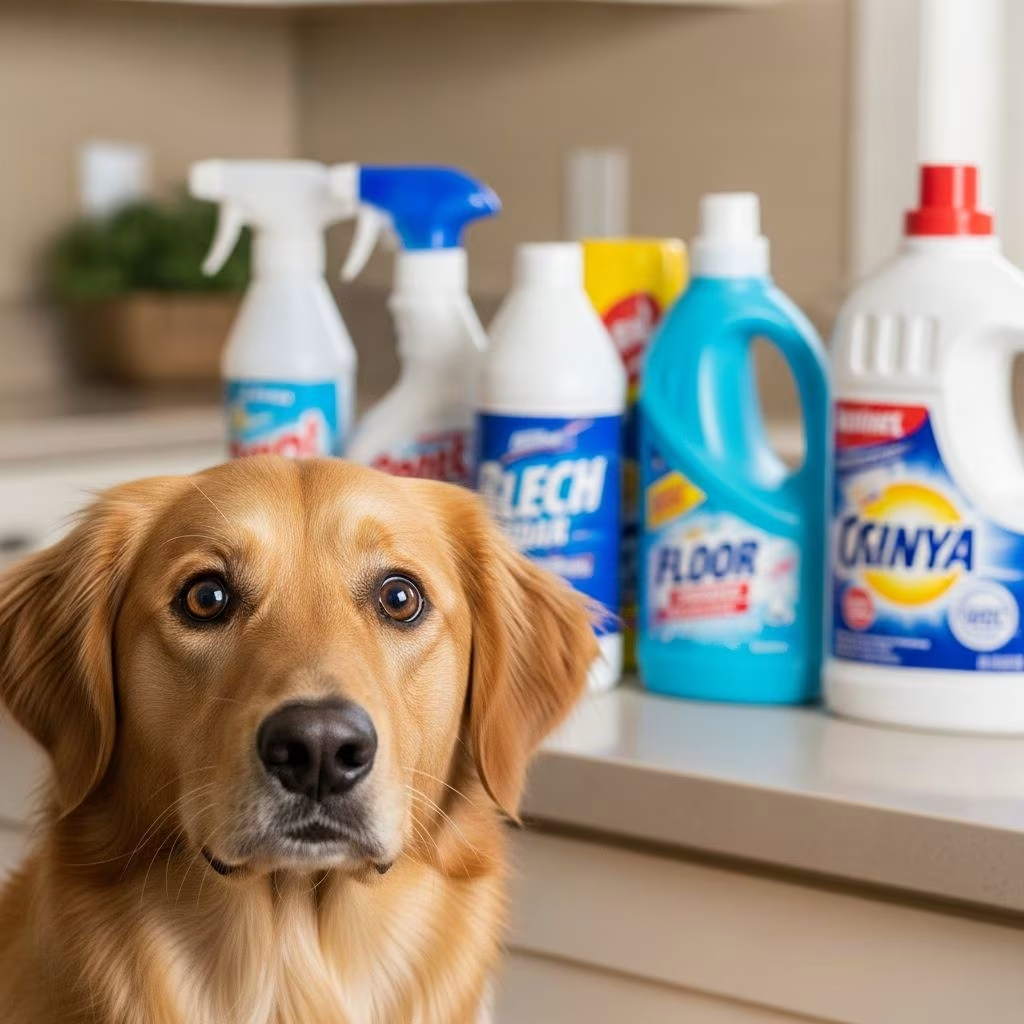
Pet owners often overlook one of the most significant hazards lurking in their homes: common cleaning products. While these substances keep our living spaces hygienic and fresh-smelling, many contain chemicals that pose serious health risks to our canine companions. Dogs are particularly vulnerable to toxic cleaning agents because of their smaller body size, tendency to lick surfaces and paws, and their inability to understand which substances are dangerous. Understanding which products threaten your dog’s wellbeing is the first step toward creating a truly safe home environment.
Understanding the Chemical Threat in Your Cleaning Cabinet
The average household contains dozens of cleaning products, many of which were never designed with pet safety in mind. Manufacturers historically focused on effectiveness against dirt, grime, and bacteria without considering the secondary effects on animal companions. Dogs interact with cleaned surfaces constantly—they walk on floors, rest on countertops, and may lick areas shortly after cleaning. This repeated exposure to harmful chemicals can lead to both acute poisoning and chronic health complications.
The danger multiplies when owners use these products without proper ventilation or allow residue to remain on surfaces. Many pet owners don’t realize that their dog’s sensitive respiratory system, skin, and digestive tract absorb toxins differently than humans do. What might cause mild irritation in a person could trigger severe reactions in a dog due to their different metabolism and physiology.
Primary Toxic Ingredients Found in Common Cleaners
Several specific chemical compounds are particularly hazardous to canine health. Recognizing these ingredients on product labels is essential for making informed purchasing decisions.
Bleach and Chlorine Compounds
Bleach remains one of the most commonly used household disinfectants, yet it poses significant dangers to dogs. This corrosive chemical can cause severe burns to mouth tissues, throat damage, and gastrointestinal distress if ingested. Even diluted bleach solutions can lead to excessive drooling, vomiting, and difficulty breathing. Chlorine-based products affect dogs at much lower concentrations than they do humans, making standard cleaning practices unsafe in pet households.
Phenolic Compounds
Phenols appear in many disinfectants, floor cleaners, and wood stains. These compounds penetrate the skin readily and accumulate in a dog’s system over time. Exposure can cause chemical burns on the paw pads, tremors, weakness, and potentially liver damage with repeated contact.
Isopropyl Alcohol and Related Solvents
Rubbing alcohol, commonly used in disinfectant wipes and surface cleaners, causes rapid intoxication in dogs. Even small amounts absorbed through the skin or ingested can lead to neurological symptoms including ataxia, lethargy, and hypothermia. The alcohol content in these products is far more concentrated than anything designed for animal use.
Formaldehyde
Present in some disinfectants and preservatives, formaldehyde is a known carcinogen that irritates mucous membranes and respiratory passages. Dogs exposed to formaldehyde-containing products may develop coughing, nasal discharge, and watery eyes.
Aerosol Propellants
Air fresheners, disinfectant sprays, and fabric refreshers release propellants that irritate the lungs and airway tissues. Dogs have more sensitive respiratory systems than humans, making them particularly susceptible to aerosol-related breathing difficulties.
Specific Products and Their Dangers
| Product Type | Common Brands | Primary Toxic Ingredients | Health Risks to Dogs |
|---|---|---|---|
| Disinfectant Wipes | Clorox, Lysol | Bleach, Isopropyl Alcohol | Chemical burns, neurological symptoms, respiratory irritation |
| Multi-Surface Cleaners | Formula 409, Pine-Sol | Phenols, d-Limonene | Skin burns, liver damage, gastrointestinal upset |
| Fabric Sprays | Lysol Fabric, Febreze | Aerosol propellants, Essential oils | Respiratory distress, coughing, allergic reactions |
| Laundry Detergents | Tide, OxiClean | Surfactants, Enzymes, Fragrances | Gastrointestinal distress, mouth irritation, skin allergies |
| Glass Cleaners | Windex | Ammonia, Isopropyl Alcohol | Respiratory problems, chemical burns |
| Bleach-Based Products | Clorox Bleach, Liquid Bleeches | Sodium Hypochlorite | Severe gastrointestinal damage, chemical burns, breathing problems |
How Dogs Are Exposed to These Hazards
Understanding exposure pathways helps pet owners identify when their dogs are at risk. Dogs encounter cleaning chemicals through multiple avenues within the home.
- Direct contact: Walking on freshly cleaned floors, lying on treated surfaces, or accidentally splashing themselves during cleaning
- Inhalation: Breathing in aerosol particles, vapors, or fumes released during and after cleaning
- Ingestion: Licking contaminated paws, eating food from treated areas, or drinking water that contains chemical residue
- Dermal absorption: Chemicals penetrating the skin, particularly on paw pads and thin-skinned areas
- Secondary exposure: Ingesting cleaning products left accessible in cabinets or under sinks
Recognizing Signs of Chemical Poisoning in Dogs
Dogs cannot verbally communicate their discomfort, making it crucial for owners to recognize physical warning signs. Some symptoms appear immediately after exposure, while others develop gradually with repeated contact.
Immediate symptoms: Excessive drooling, vomiting, diarrhea, difficulty breathing, wheezing, coughing, chemical odor on breath or fur, burned or reddened skin, tremors, uncoordinated movement, lethargy, or collapse.
Delayed or chronic symptoms: Loss of appetite, weight loss, chronic coughing, persistent skin irritation or infections, behavioral changes, liver dysfunction indicators, or recurrent gastrointestinal issues.
Any suspected chemical exposure warrants immediate veterinary attention, as some poisonings can be life-threatening if untreated.
Transitioning to Pet-Friendly Cleaning Solutions
The good news is that numerous safe alternatives exist for maintaining a clean home without endangering your dog. Pet owners have two primary options: making their own cleaners from safe household ingredients or purchasing commercially available pet-safe products.
Natural Ingredients for DIY Cleaning Solutions
Distilled White Vinegar: This versatile ingredient creates an effective all-purpose cleaner when mixed with water in equal parts. The natural acidity breaks down dirt, grime, and mineral deposits without harming dogs. While some dogs may find the scent strong, proper ventilation resolves any discomfort.
Baking Soda: A safe deodorizer and gentle abrasive, baking soda works excellently for neutralizing odors on carpets, upholstery, and dog bedding. Simply sprinkle it on affected areas, allow 15-30 minutes of dwell time, then vacuum thoroughly. It can also create a paste for scrubbing surfaces when mixed with water.
Castile Soap: Derived from plant oils, castile soap is biodegradable and gentle enough for direct dog contact. Dilute it with water to create a multi-purpose cleaner suitable for floors, countertops, and even mild bathing. Always rinse surfaces thoroughly where dogs may contact them.
Hydrogen Peroxide Solution: When diluted properly (1 part peroxide to 10 parts water), hydrogen peroxide serves as an effective disinfectant for hard surfaces. It works particularly well combined with baking soda for treating urine stains—the combination breaks down uric crystals that cause persistent odors. Test diluted solutions on inconspicuous areas first to ensure they won’t damage surfaces.
Lemon Juice: The natural acidity in lemon effectively cuts through grease and grime. Dilute juice with water for surface cleaning, but avoid concentrated solutions on surfaces your dog might lick, as excessive citrus ingestion can cause digestive upset.
Commercial Pet-Safe Cleaning Products
Several manufacturers now prioritize pet safety in their formulations. These products typically feature plant-based ingredients, eliminate toxic chemicals, and carry certifications indicating they’ve been evaluated for safety around animals. Options include Method Glass Cleaner, Mrs. Meyer’s Multi-Surface Cleaner, Grove Co. Floor Cleaner, and Nature’s Miracle Carpet Shampoo. When selecting commercial products, look for labels stating they’re non-toxic, free from bleach and phenols, and safe for pets.
Best Practices for Safe Cleaning With Dogs in the Home
Regardless of which cleaning approach you choose, following safety protocols prevents accidental exposure and ensures maximum protection for your canine family member.
- Remove dogs from areas being cleaned and keep them away until surfaces have completely dried and fumes have dissipated
- Ensure excellent ventilation by opening windows and doors during and after cleaning
- Never mix cleaning products, as combinations can create hazardous chemical reactions
- Store all cleaning supplies in secure cabinets where dogs cannot access them
- Allow adequate drying time before allowing dog contact with treated surfaces
- Read product labels carefully, and research any unfamiliar ingredients
- Wash your dog’s bedding regularly with pet-safe detergent to remove accumulated chemical residue
- Consider using enzyme-based cleaners specifically designed for pet accidents rather than chemical-based solutions
Addressing Special Cleaning Challenges
Pet owners often face unique cleaning challenges that traditional products seem designed for. However, safe alternatives handle these situations effectively.
Urine accidents: Combine hydrogen peroxide, baking soda, and a small amount of dish soap to create a powerful deodorizing paste. The enzyme-based combination breaks down uric crystals that cause persistent odors that simple cleaning misses.
Carpet stains: Baking soda sprinkled on the affected area followed by vacuuming addresses many stains. For tougher marks, the hydrogen peroxide and baking soda combination works as a pre-treatment before shampooing with pet-safe products.
Floor cleaning: Vinegar and water solution works on most flooring types, though always test first on inconspicuous areas. This approach eliminates slipping hazards that some commercial floor cleaners create.
Disinfection: Rather than relying on chemical disinfectants, clean surfaces thoroughly with soap and water first, then spray with hydrogen peroxide, allow dwell time, wipe clean, and repeat with distilled vinegar. This two-step process effectively disinfects without toxic residue.
Frequently Asked Questions
Can I use essential oils in my cleaning routine with dogs at home?
Some essential oils have natural antibacterial properties, but caution is necessary. Oils like lavender, tea tree, and eucalyptus can be toxic to dogs if ingested or used excessively. Always consult with your veterinarian before introducing essential oils, and dilute them properly if used at all.
Are pet-safe cleaning products more expensive than traditional cleaners?
Making your own cleaners from basic ingredients like vinegar and baking soda costs significantly less than commercial products. Even when purchasing commercial pet-safe brands, costs are often comparable to conventional options, and many offer concentrated formulas that stretch further.
How long should I wait before letting my dog back in a cleaned area?
Allow surfaces to dry completely and ensure all fumes have dissipated, which typically takes 30 minutes to several hours depending on ventilation and the product used. When in doubt, wait longer rather than risking exposure.
What should I do if my dog ingests a cleaning product?
Contact your veterinarian or animal poison control immediately with the product name and ingredient list. Time is critical in poisoning cases, and professional guidance can mean the difference between full recovery and serious complications.
Creating a Toxin-Free Home Environment
Protecting your dog from toxic cleaning products represents a simple yet impactful way to extend their healthy lifespan and prevent suffering. By understanding which chemicals pose dangers, recognizing available alternatives, and implementing safe cleaning practices, pet owners create homes where both humans and dogs thrive. The transition to pet-safe cleaning doesn’t require sacrificing cleanliness or freshness—it simply means making intentional choices about the products that enter your home and the surfaces your beloved dog contacts daily. Starting today with even one product swap represents progress toward a safer, healthier environment for your entire family.
References
- Pet Friendly Cleaning Product Alternatives — Quick & Clean Inc. Accessed January 2026. https://www.quickandcleaninc.com/blogs/pet-friendly-cleaning-product-alternatives
- Natural cleaning products that are safe for dogs — Kabo. Accessed January 2026. https://kabo.co/blog/natural-cleaning-products-that-are-safe-for-dogs
- 8 DIY Homemade Natural and Pet Safe Cleaners — Fur Child Pets. Accessed January 2026. https://furchildpets.com/blog/8-diy-homemade-cleaners-that-are-safe-for-pets
- Our Guide To Pet-Safe Cleaning Products — Branch Basics. Accessed January 2026. https://branchbasics.com/blogs/cleaning/guide-to-pet-safe-cleaning



