

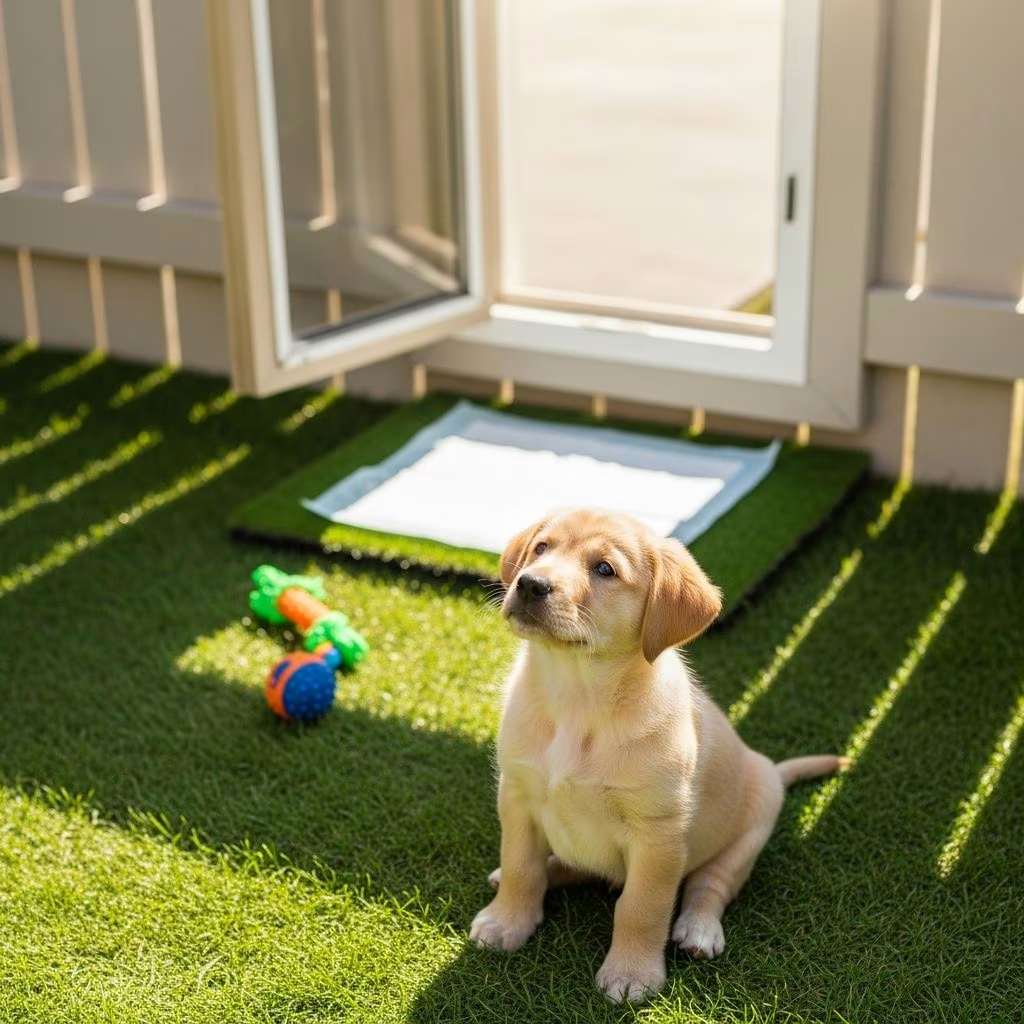
House Training Your Puppy: A Comprehensive Guide
House training is one of the most important skills you can teach your new puppy. Starting early and maintaining consistency from day one will set the foundation for a well-behaved, housetrained companion. Whether you’re a first-time dog owner or an experienced pet parent, understanding the principles of effective house training will help you and your puppy succeed.
When Should You Begin House Training?
The ideal time to begin house training is as soon as you bring your new puppy or dog home. Young puppies are capable of learning from their very first day in your household, and early intervention prevents bad habits from forming. From the moment your puppy arrives, you’re already training them through every interaction and experience they have.
Consistency is absolutely critical during this process. Select an appropriate toileting area outdoors and commit to using the same location every time your puppy needs to eliminate. This consistency helps your puppy develop a routine and understand where they’re expected to relieve themselves. When you bring your puppy to the elimination area, always lead them through the same exit door to create a predictable pattern they can learn to recognize.
If you plan to provide an indoor latrine solution, such as a litter box or piddle pad for apartment living or other circumstances, then bring your puppy to that designated location when it’s time for elimination. The key is maintaining consistency with whichever method you choose.
Understanding Your Puppy’s Development and Bathroom Needs
Puppies have different bathroom requirements depending on their age. A 6 to 8-week-old puppy needs to go outside every 2 hours during the day. A 3-month-old puppy can typically wait about 3 hours between bathroom breaks. Overnight, young puppies still need frequent potty breaks—a 2-month-old should be taken out at least every 2 hours, even during nighttime hours. Most puppies won’t be comfortable staying in their crate all night until they’re around 6 months old, so be prepared for interrupted sleep during the early months.
As your puppy matures, their bladder control improves, and they’ll be able to hold it for longer periods. However, forcing them to wait too long before they’re physically ready will only lead to accidents and confusion. Understanding these developmental milestones helps you set realistic expectations and prevents frustration for both you and your puppy.
Step-by-Step House Training Instructions
Supervision is Essential
The foundation of successful house training is constant supervision. Bring your puppy outside on their leash to their designated elimination area. Alternatively, you may set up a small, fenced enclosure, separate from the play area, and wait beside your puppy. Always accompany your puppy outside—never send them outside alone to toilet. Most untrained puppies left outside alone become distracted and don’t eliminate until they’re back indoors, which defeats the purpose of the exercise.
By staying close to your puppy during bathroom time, you can also observe their behavior and timing patterns. This helps you anticipate when they’ll need to go out in the future. Additionally, you’ll be there to immediately praise and reward them when they eliminate in the correct location, which reinforces the desired behavior.
Creating Predictable Routines
Puppies thrive on routine and predictability. Establish set times for meals, play, and bathroom breaks. Puppies typically need to eliminate after eating, after waking up, after play sessions, and before bedtime. By establishing these predictable patterns, you’ll know roughly when your puppy needs to go out, making successful house training much more manageable.
Feed your puppy at the same times each day, and plan outdoor bathroom breaks around these meals. Young puppies usually need to go out within 15-30 minutes after eating. By coordinating your schedule with your puppy’s natural rhythms, you create more opportunities for successful outdoor elimination and fewer accidents indoors.
Positive Reinforcement and Reward Systems
Reward your puppy immediately when they eliminate in the correct location. Use enthusiastic praise, treats, or both to create a strong positive association with eliminating outside. This positive reinforcement teaches your puppy that eliminating in the right place results in good things happening, which motivates them to repeat the behavior.
Choose high-value treats that your puppy really loves—something special that they only get during successful bathroom breaks. The reward needs to happen within seconds of the behavior, so your puppy makes the connection between eliminating outside and receiving the reward. After a few weeks of consistent rewarding, many puppies will enthusiastically head to their elimination area in anticipation of their reward.
Managing Accidents and Setbacks
What to Do When Accidents Happen
Accidents are a normal part of the house training process and don’t indicate failure. Puppies have limited bladder control and are still learning. When accidents happen indoors, never punish your puppy. Punishment creates fear and confusion and damages your relationship with your puppy, making house training take longer. Instead, calmly clean up the accident thoroughly using an enzymatic cleaner to remove all scent markers, which will prevent your puppy from using the same spot again.
If you catch your puppy in the act of having an accident, you can interrupt them with a calm “no” and immediately take them outside to their elimination area. If they finish eliminating outside, reward them. This teaches them the correct behavior without the trauma of punishment. Never rub your puppy’s nose in an accident or scold them after the fact—puppies don’t have the memory span to connect past accidents with punishment, and doing so only frightens them.
Identifying Patterns and Triggers
Keep a mental or written record of your puppy’s bathroom patterns. Note the times they go out, what they consume, and when accidents occur. Over time, you’ll notice patterns that help you anticipate when your puppy needs to eliminate. Some puppies are predictable after specific meals, while others may need more frequent breaks during particularly active play sessions.
Understanding your individual puppy’s patterns allows you to proactively take them out at the right times, preventing accidents before they happen. This strategic approach significantly speeds up the house training process and reduces frustration for both you and your puppy.
Crate Training and House Training Connection
How Crate Training Supports House Training
Crate training is an excellent tool that works hand-in-hand with house training. When your puppy’s crate is appropriately sized—just large enough for them to stand, turn around, and lie down—puppies naturally develop an instinct not to eliminate in their sleeping area. Dogs are den animals and prefer to keep their sleeping space clean.
If the crate is too large, your puppy may use one end as a sleeping area and the other end as a bathroom, defeating the purpose. The right-sized crate teaches your puppy bladder control and makes them more likely to signal you when they need to go out. When you release your puppy from their crate, take them directly to their outdoor elimination area.
Nighttime Crate Training Strategy
Your puppy’s crate should be where they sleep at night. Early on, you’ll need to check on them several times throughout the night. A 2-month-old puppy should be taken outside at least every 2 hours, even overnight. A 3-month-old can typically wait about 3 hours between overnight potty breaks.
Place the crate in your bedroom or nearby so you can hear when your puppy wakes or needs to eliminate. When your puppy whines at night, assess whether they genuinely need a potty break or are just seeking attention. If they’ve recently had a break, they may need to wait a few more minutes. However, if it’s been several hours since their last outdoor time, take them out promptly. Puppies can’t control their bladders for extended periods, and forcing them to wait causes unnecessary stress and confusion.
House Training for Apartment Living
Outdoor Elimination in Apartment Settings
For apartment dwellers, house training requires some additional considerations. When you take your puppy out of the crate, you have two primary options. The first is to carry your puppy outside to prevent them from eliminating in the hallways as you travel to the elimination area. This is especially important for young puppies who may have accidents during the journey. Carry them until they’ve learned not to eliminate inside and have better bladder control.
The second option is to train your puppy to use potty pads in a designated location within your apartment. If you choose this route, carry your puppy to the potty pads at the designated time. Be careful not to line the crate with potty pads, as this may confuse your puppy about where they’re supposed to eliminate. Consistency between crate training and potty pad training is crucial.
Transitioning from Indoor to Outdoor Elimination
If you initially use potty pads as an apartment solution, plan a gradual transition to outdoor elimination as your puppy matures and bladder control improves. Start by moving the potty pads closer to the door, then gradually move them outside. This gradual transition helps your puppy understand that the new location serves the same purpose as the old one. Eventually, your puppy will learn to eliminate outdoors reliably.
Common House Training Challenges
Persistent Indoor Accidents
If your puppy continues having frequent accidents despite your best efforts, consider whether they’re getting enough outdoor opportunities. Puppies have limited bladder control, and insufficient potty breaks lead to inevitable accidents. Review your schedule and increase the frequency of outdoor trips, especially after meals and play sessions.
Another common issue is incomplete elimination. Some puppies may partially go to the bathroom outside but then finish indoors later. This often happens when puppies are too distracted outside to fully eliminate. Minimize distractions during designated potty breaks, and spend adequate time outside waiting for them to finish.
Fear or Reluctance to Eliminate Outside
Some puppies may be hesitant to eliminate outside due to unfamiliar sights, sounds, or weather. Be patient and allow extra time during outdoor breaks. Use positive reinforcement and create a calm, predictable bathroom routine. Gradually expose your puppy to different times of day and weather conditions so they become comfortable eliminating in various situations.
Timeline and Expectations
How Long Does House Training Take?
Most puppies will be relatively comfortable with their house training routine within 1 to 2 months of consistent training. However, this doesn’t mean they won’t have any accidents—occasional setbacks are completely normal. Your puppy will gradually learn to signal you when they need to eliminate by whining, going to the door, or exhibiting other behaviors.
Even with perfect training, puppies may not be comfortable remaining crated overnight without a potty break until they’re around 6 months old. Continue taking them out during the night as often as needed. As they mature, you can gradually reduce nighttime breaks until they can reliably sleep through the night without accidents.
Factors Affecting Training Speed
Several factors influence how quickly your puppy learns. Consistency is the most important factor—every family member must follow the same routine and use the same elimination area and cues. Your puppy’s age, breed size, and individual temperament also affect learning speed. Small breeds sometimes take longer to housetrain than larger breeds. Puppies that have had negative previous experiences may take longer to build confidence and learn.
Additional Training Considerations
Integration with Other Training Goals
House training shouldn’t be your only training focus during puppyhood. The American Veterinary Society of Animal Behavior recommends starting puppy socialization classes as early as 7 to 8 weeks of age. Socialization, basic commands like “sit” and “come,” and general household manners are all important parts of early puppy development.
Consider enrolling in a positive reinforcement-based puppy training class. These classes provide a controlled environment where your puppy can learn, practice new skills, and interact with other puppies and people. You’ll also learn valuable techniques from experienced trainers and prevent problems before they develop.
Never Use the Crate as Punishment
A critical point that cannot be overstated: never use the crate as punishment. This significantly sets back your puppy’s crate training and house training progress. The crate should always be a safe, positive space associated with comfort and reward. If you need to address unwanted behavior, use management techniques and redirection rather than crate confinement as punishment.
Frequently Asked Questions
Q: What’s the best outdoor elimination area for house training?
A: Choose a designated spot in your yard or a nearby outdoor area and consistently use the same location. The familiarity helps your puppy understand where they’re expected to eliminate. If using a designated area is impractical, choose a quiet, low-traffic location where your puppy won’t be distracted.
Q: Should I punish my puppy for indoor accidents?
A: No, never punish your puppy for accidents. Punishment creates fear and confusion and actually delays house training. Instead, clean up accidents thoroughly with an enzymatic cleaner and focus on preventing future accidents through consistent supervision and outdoor breaks.
Q: How do I know if my puppy needs to go outside?
A: Watch for signs like sniffing, circling, whining, going to the door, or sudden restlessness. Establish a routine of taking your puppy out after meals, naps, play sessions, and before bedtime. Over time, you’ll recognize your individual puppy’s signals.
Q: Can I housetrain my puppy at 8 weeks old?
A: Yes, you can start immediately at 8 weeks, but be realistic about their bladder capacity. An 8-week-old puppy needs to go out approximately every 2 hours. Successful house training at this age requires frequent outdoor breaks and close supervision.
Q: Is it better to use potty pads or only outdoor elimination?
A: This depends on your living situation and long-term goals. Outdoor-only training is generally preferred as it leads to faster, more reliable house training. Potty pads are useful for apartments or situations where frequent outdoor access isn’t possible, but they can sometimes confuse puppies about where elimination is appropriate.
Q: What should I do if my puppy regresses in house training?
A: Regression is common and can be caused by stress, illness, changes in routine, or insufficient outdoor breaks. Return to basics by increasing supervision and outdoor potty breaks. If regression persists or is accompanied by other symptoms, consult your veterinarian to rule out medical issues.
References
- House Training for Puppies and Dogs — VCA Animal Hospitals. 2025. https://vcahospitals.com/know-your-pet/house-training-your-puppy
- How To Potty Train Your Puppy — VCA Animal Hospitals. 2025. https://vcahospitals.com/pediatric/puppy/behavior-training/how-to-potty-train-your-puppy
- How To Crate Train Your Puppy — VCA Animal Hospitals. 2025. https://vcahospitals.com/pediatric/puppy/behavior-training/how-to-crate-train-your-puppy
- Puppy Behavior and Training Basics — VCA Animal Hospitals. 2025. https://vcahospitals.com/know-your-pet/puppy-behavior-and-training-training-basics
- Crate Training and Confinement for Puppies and Dogs — VCA Animal Hospitals. 2025. https://vcahospitals.com/know-your-pet/crate-training-your-dog—an-overview



